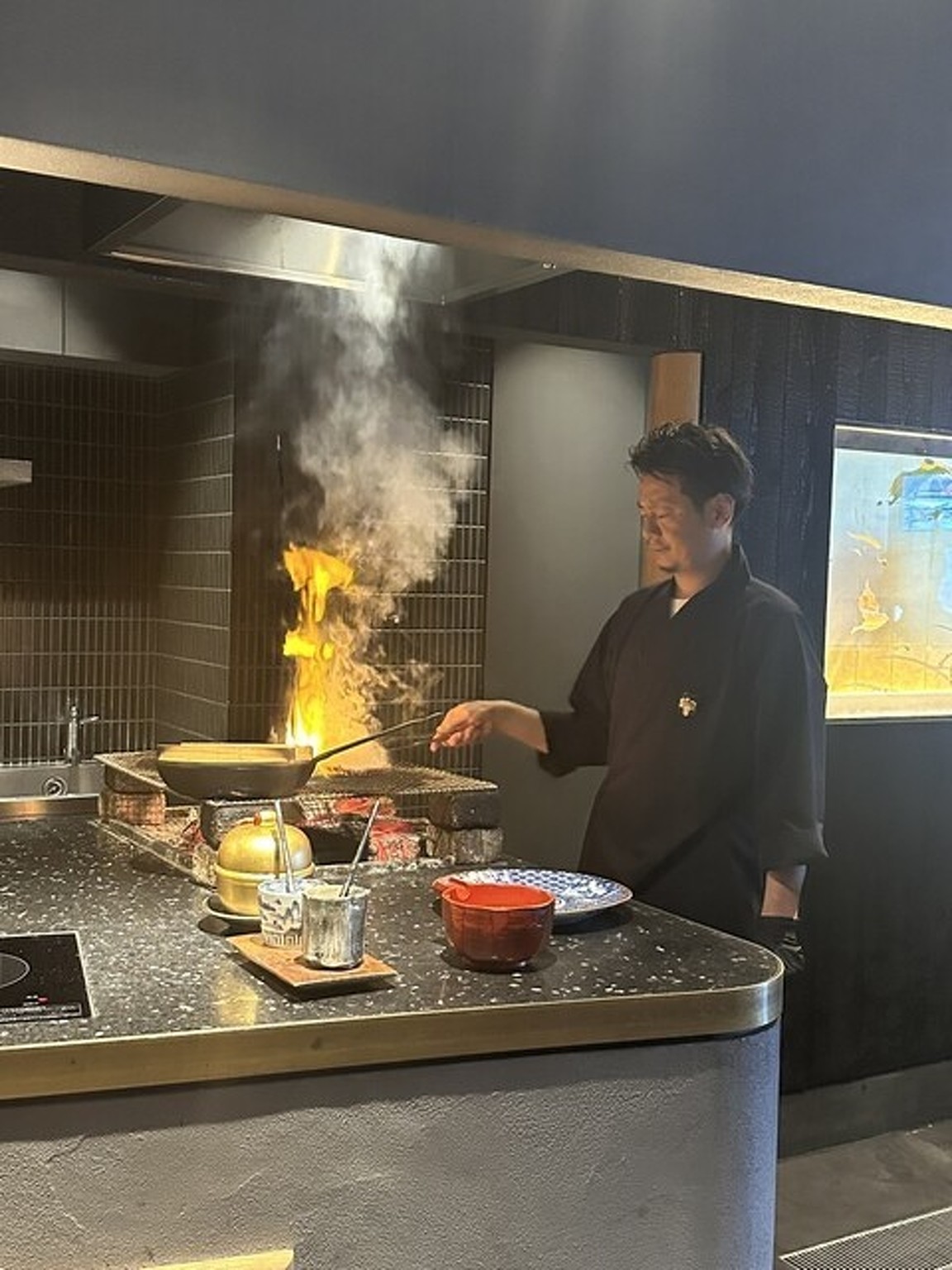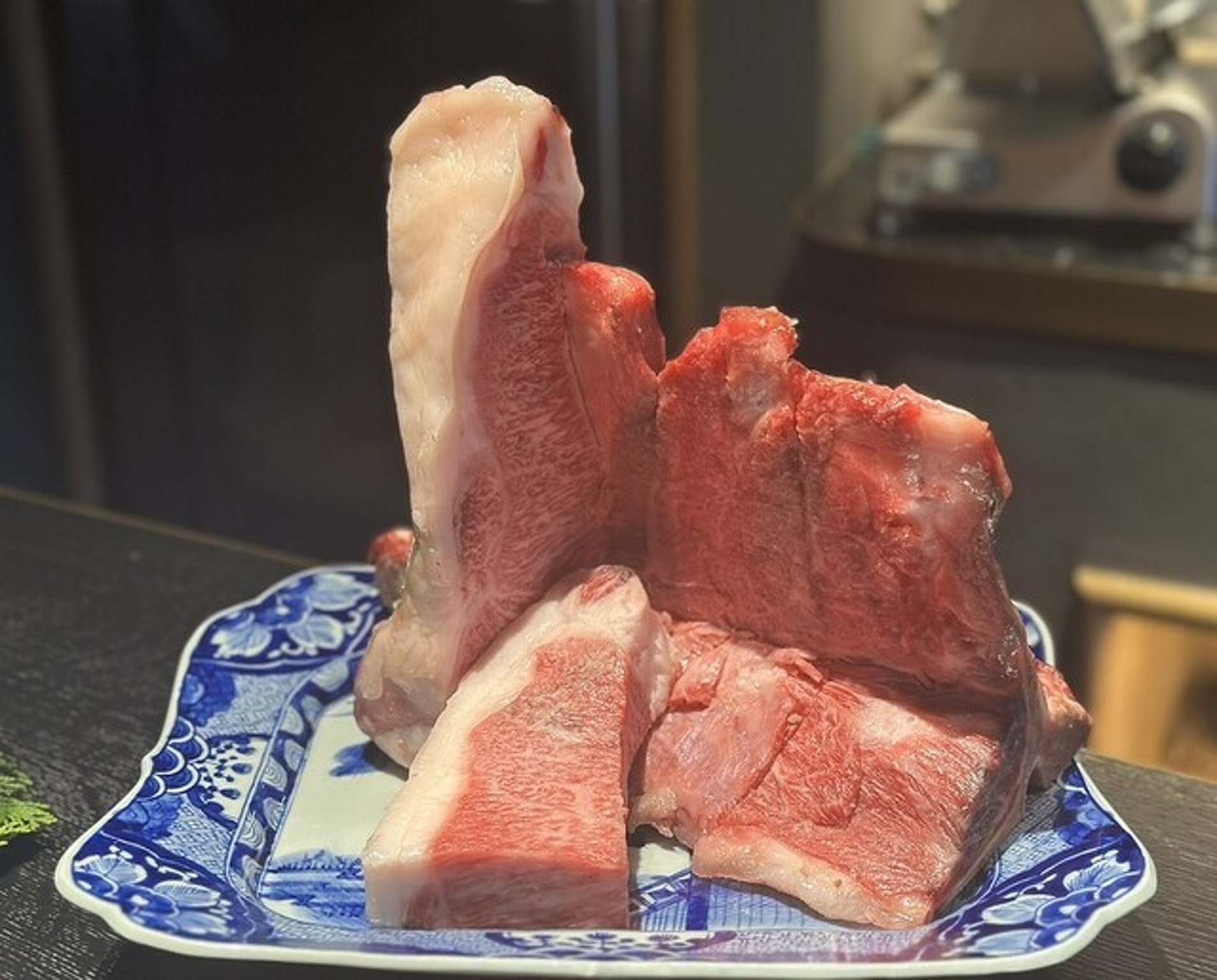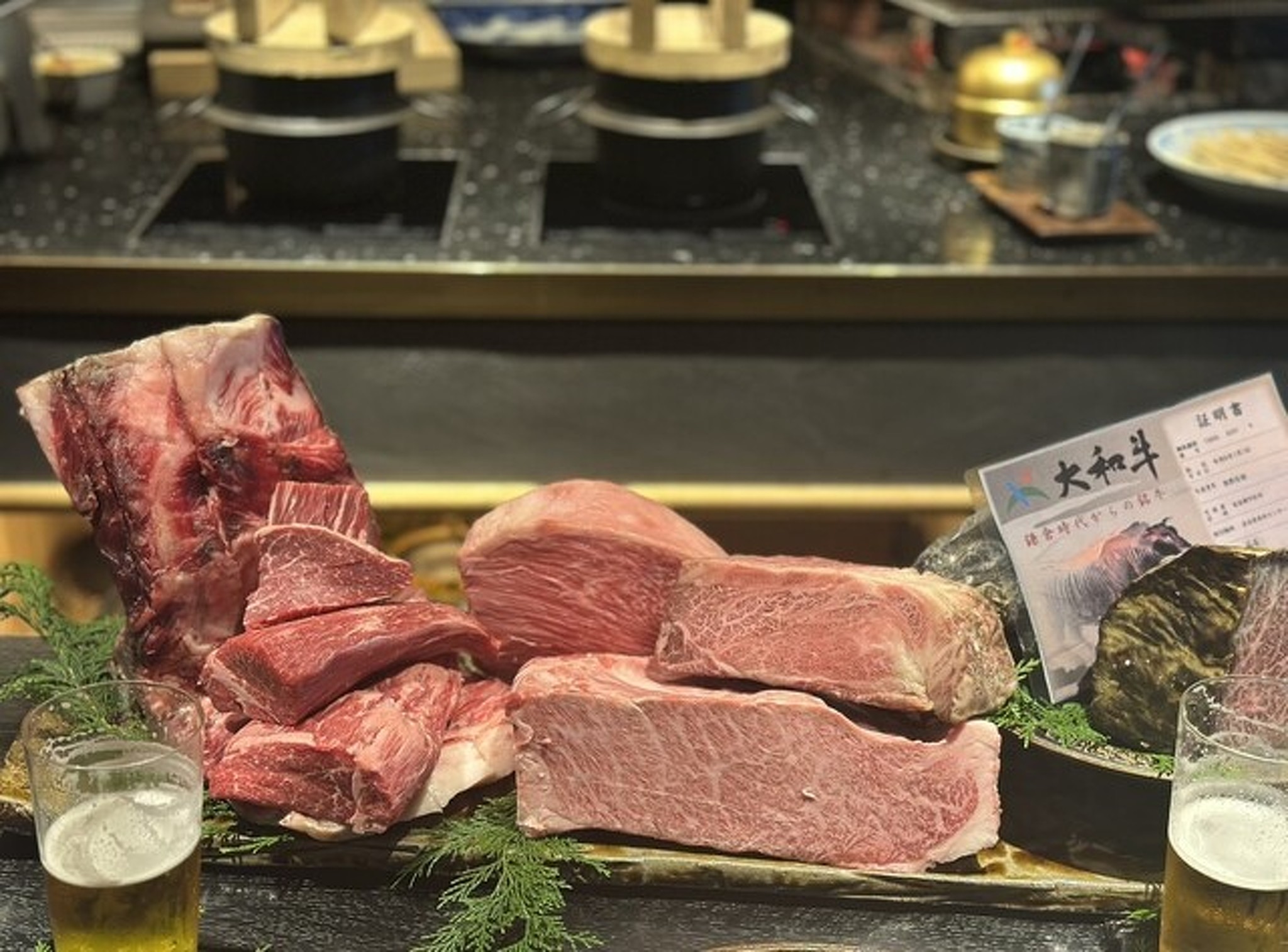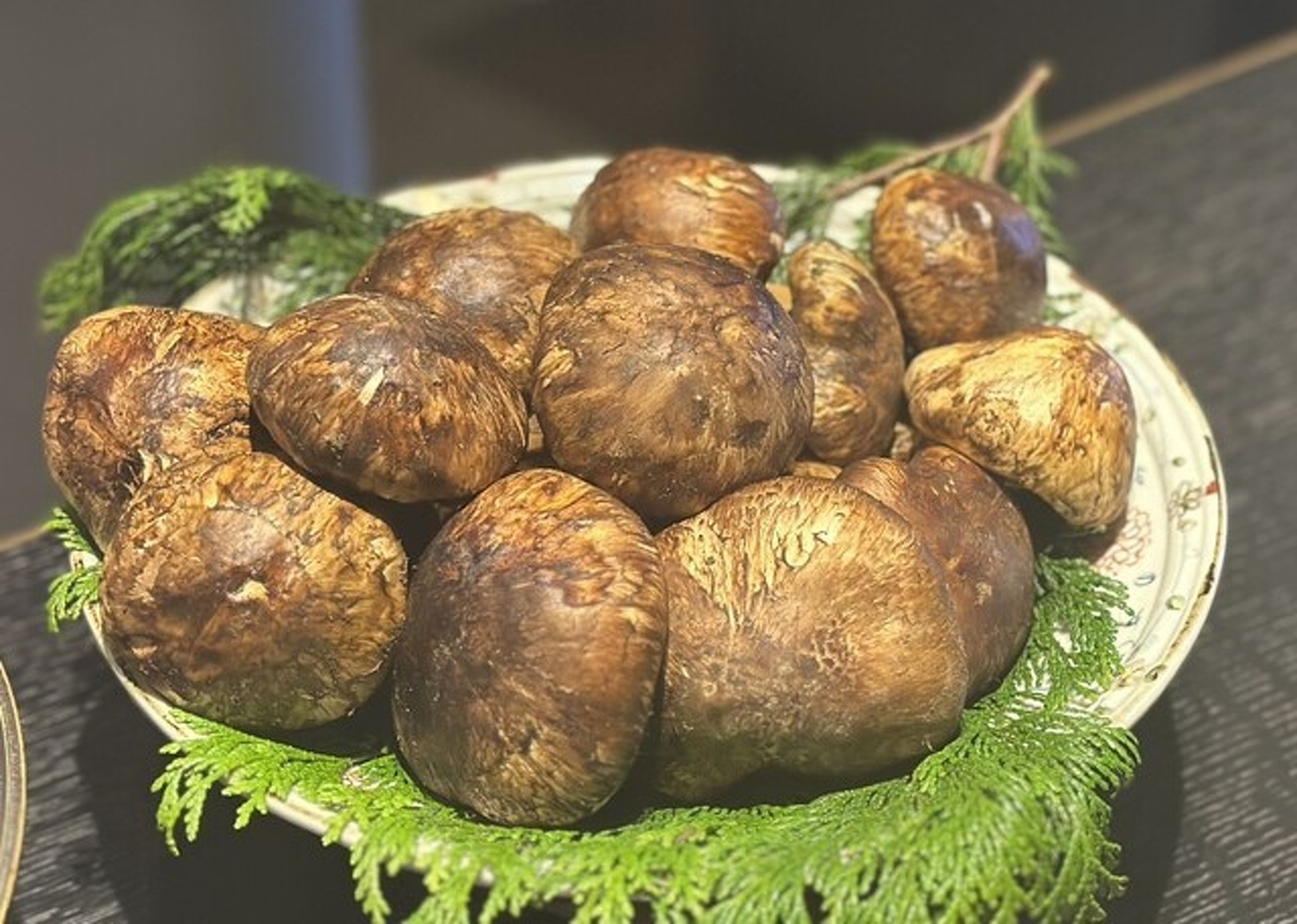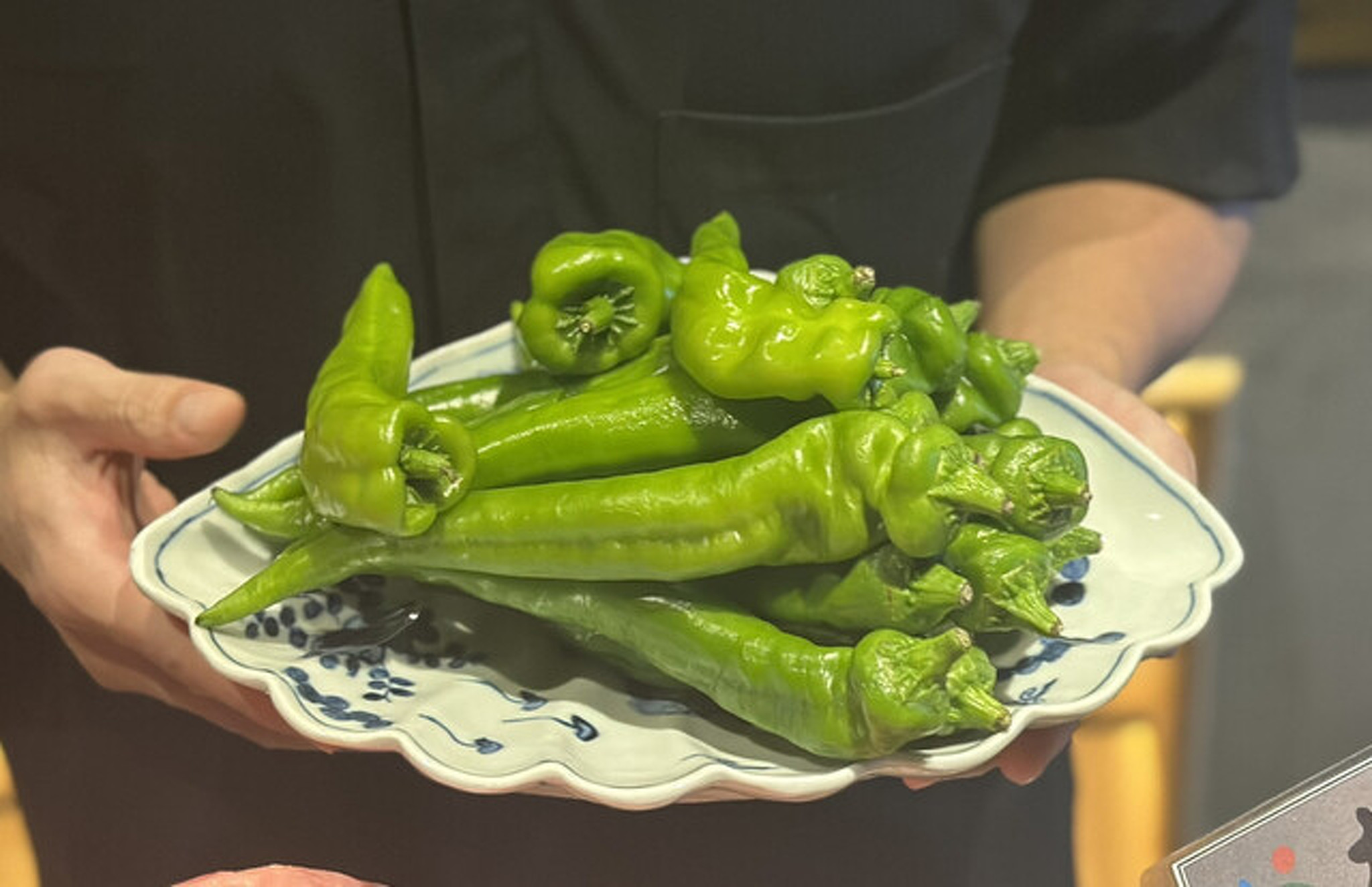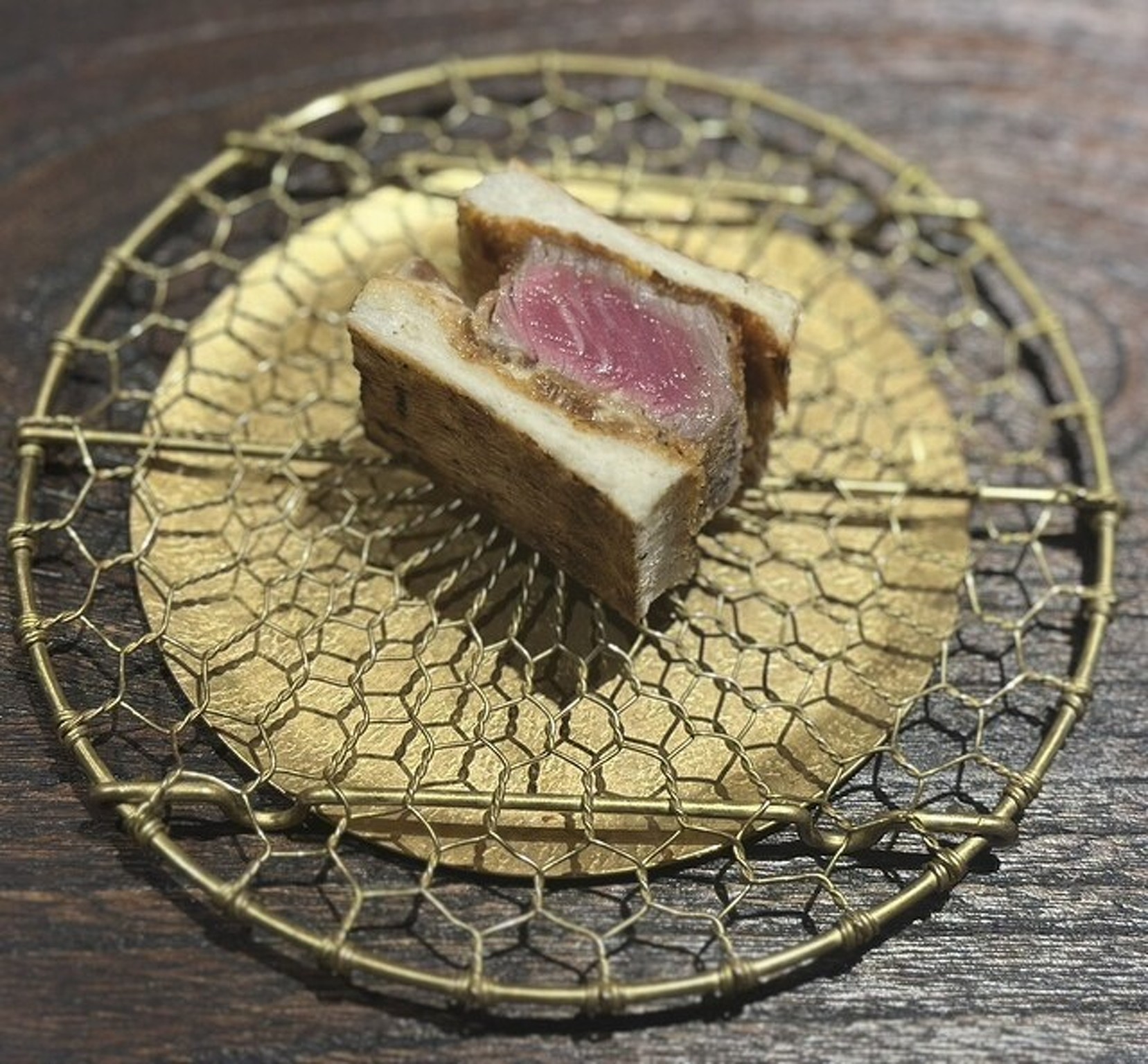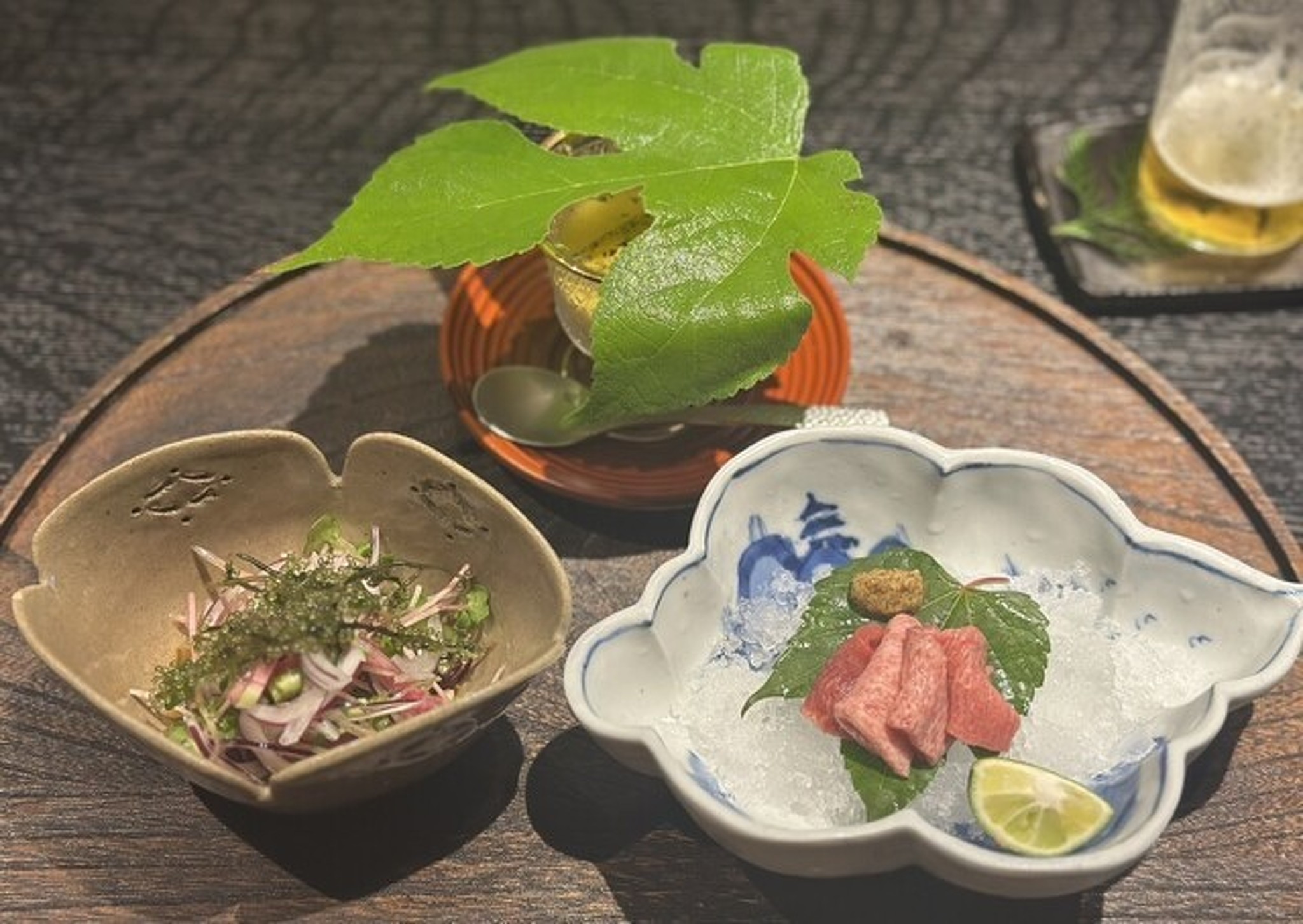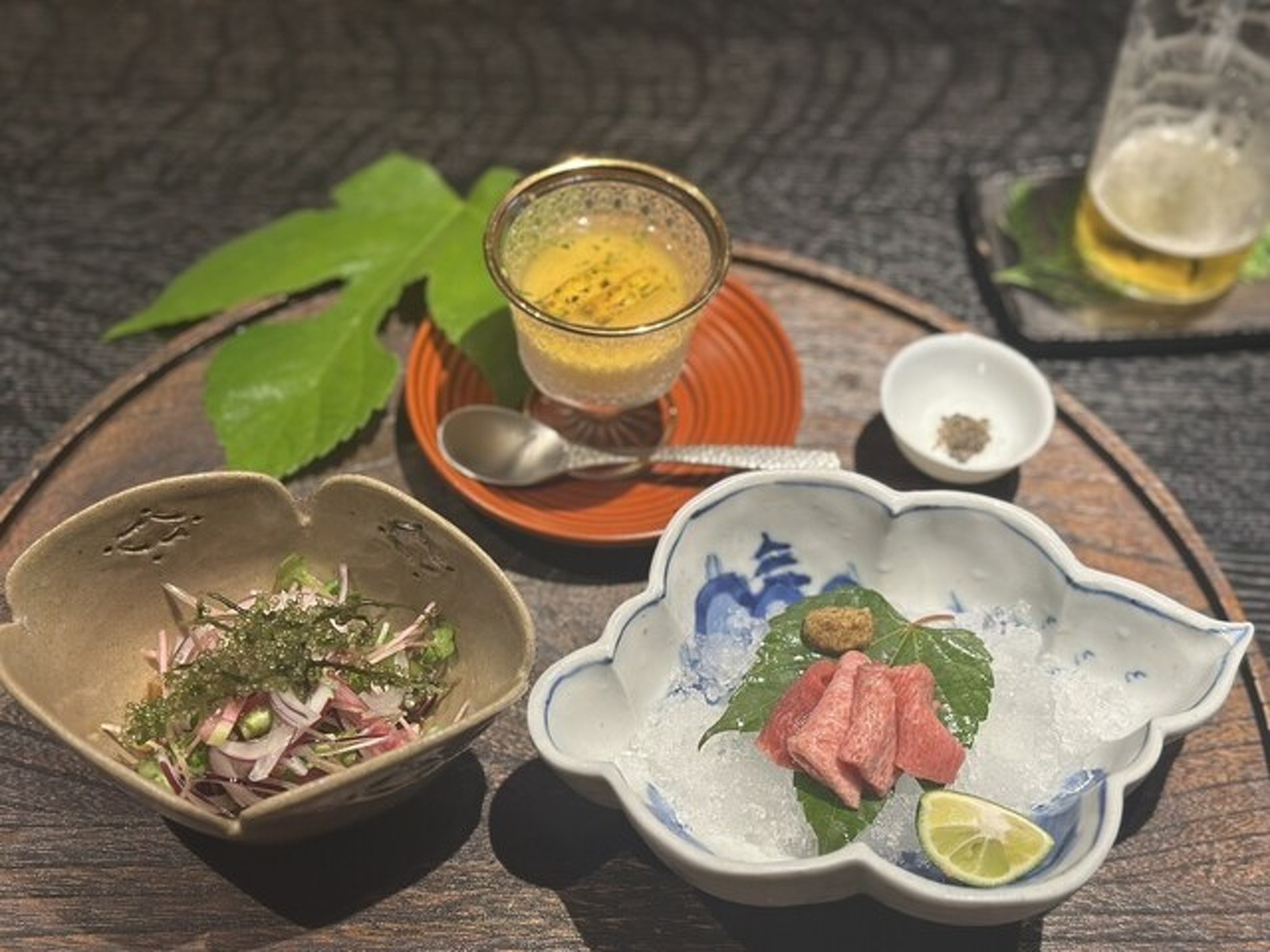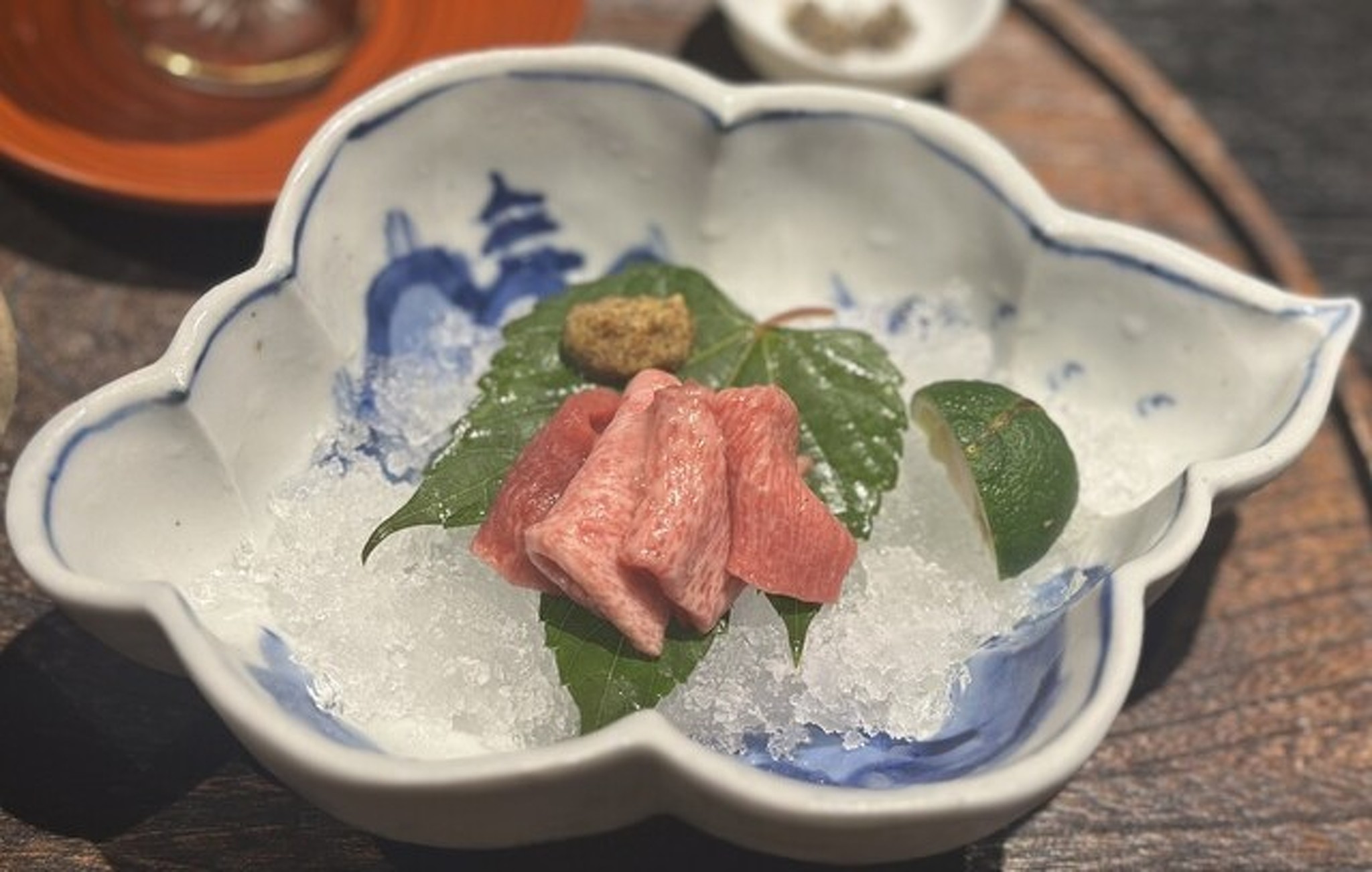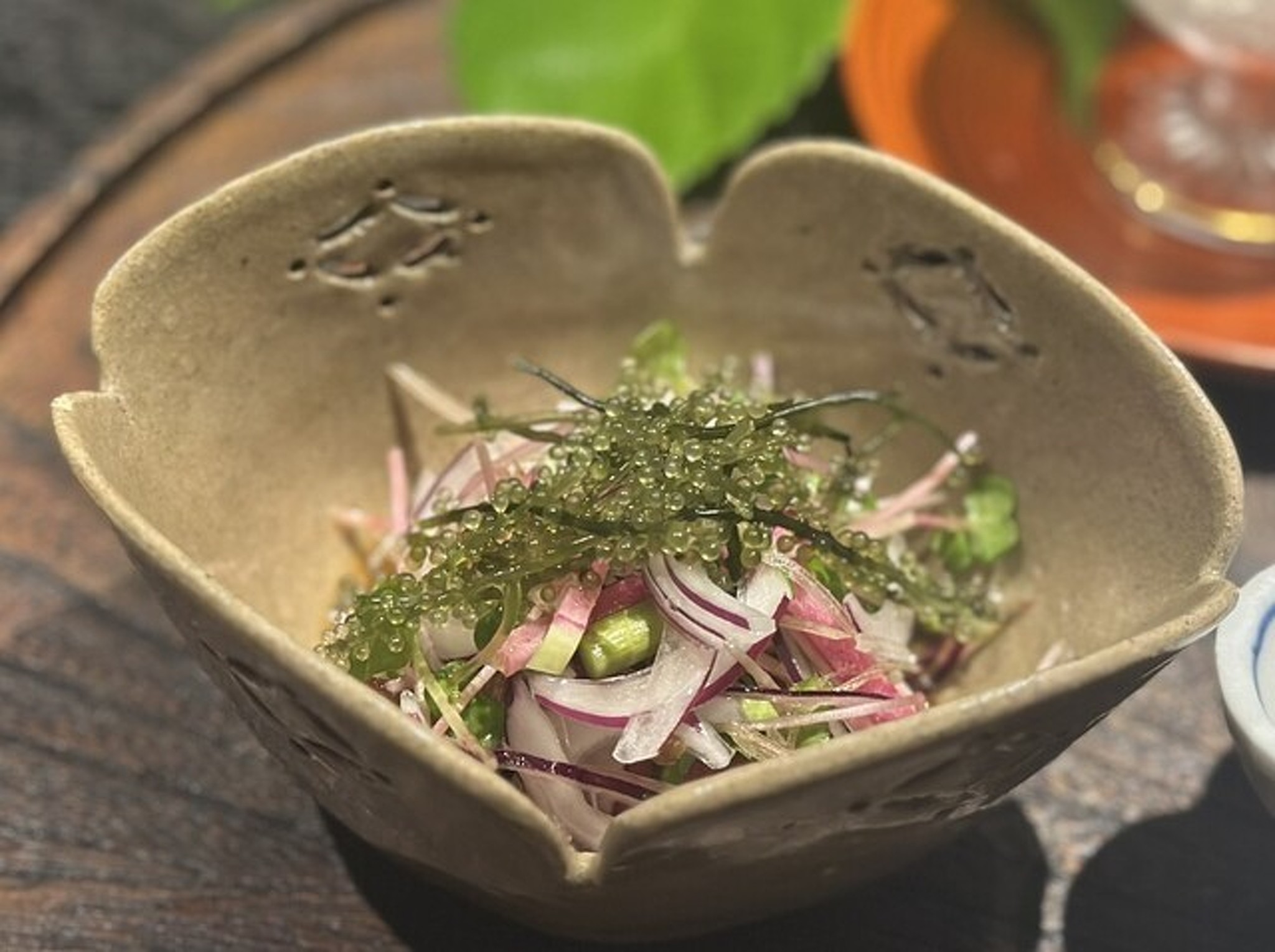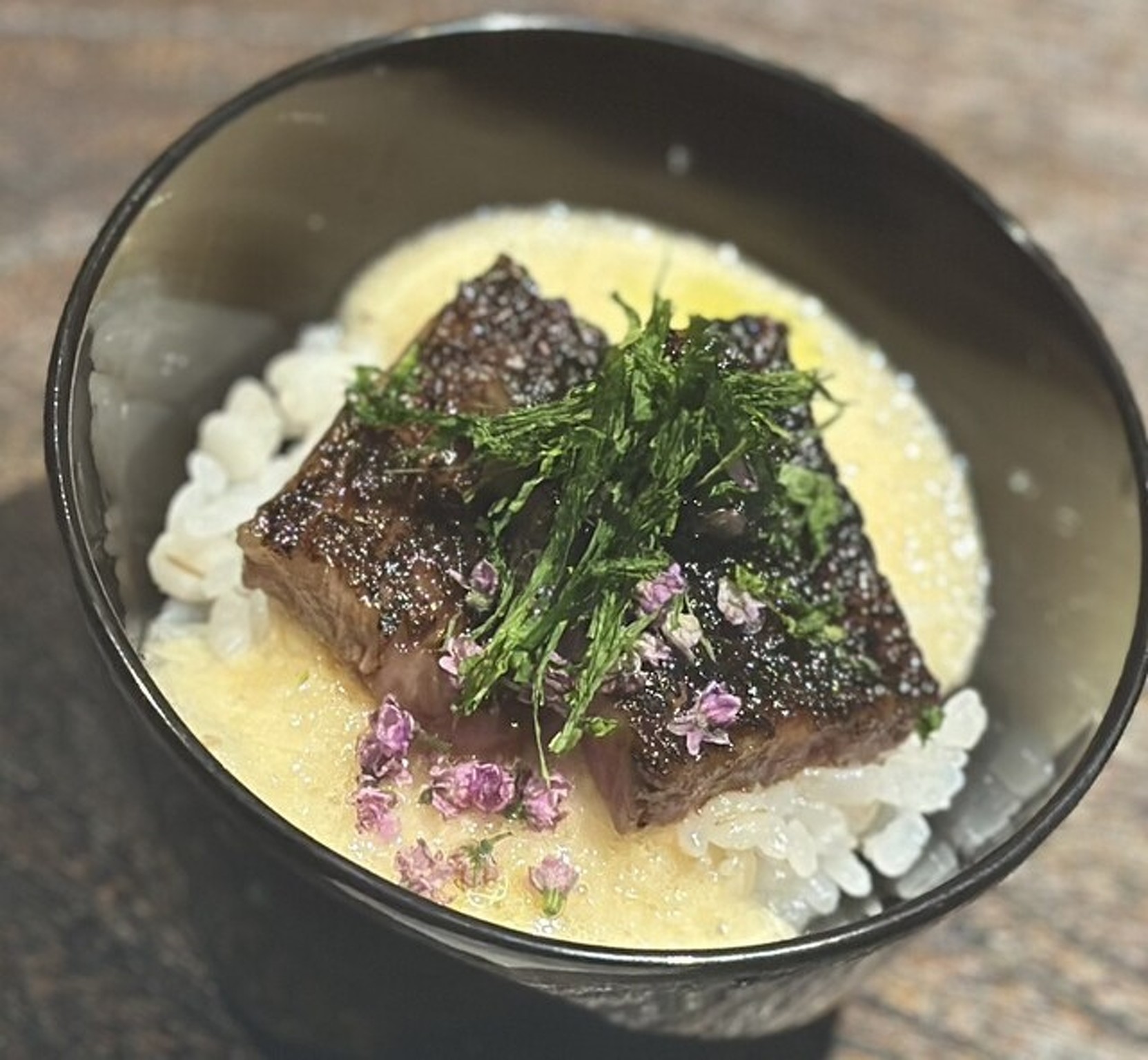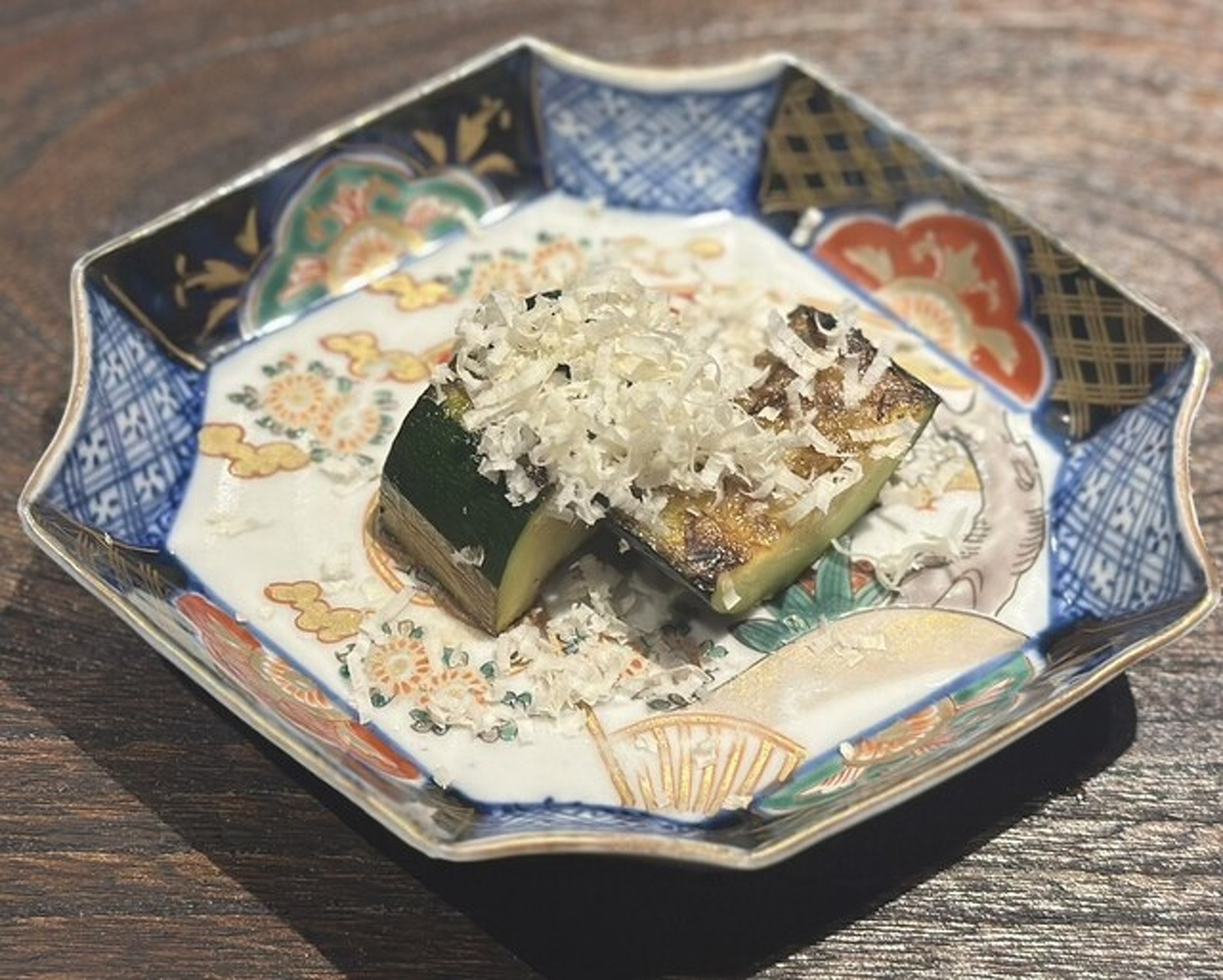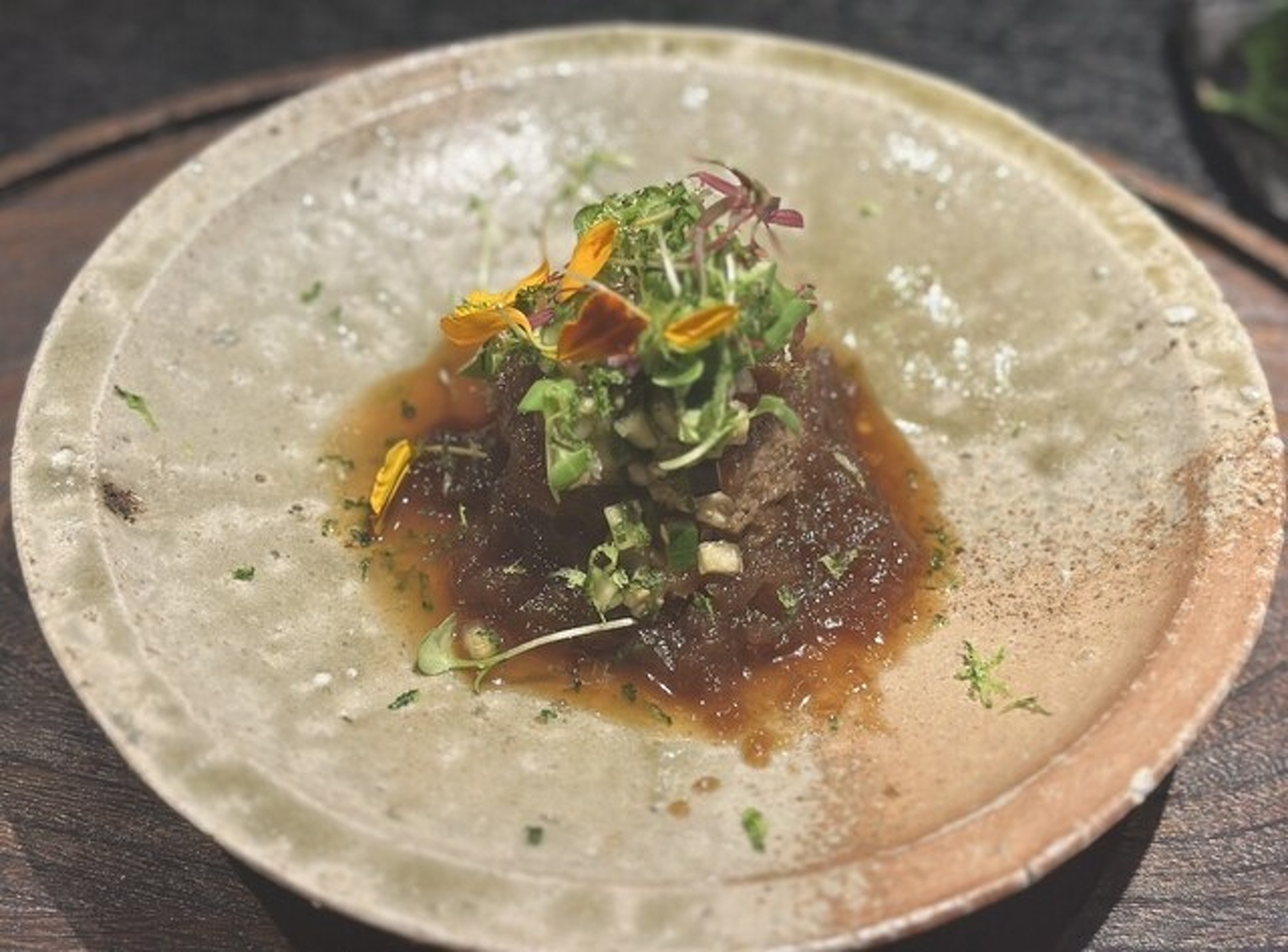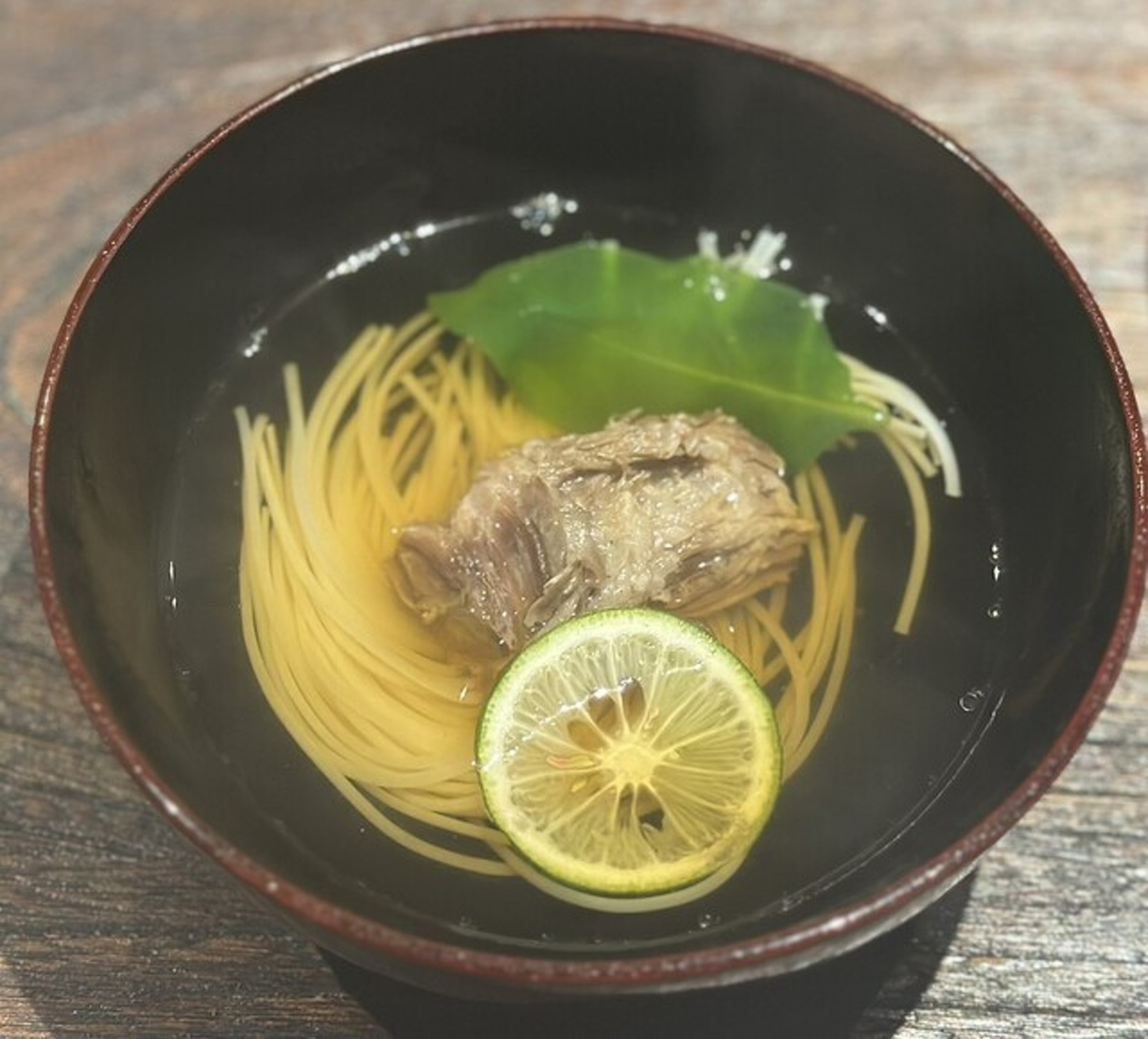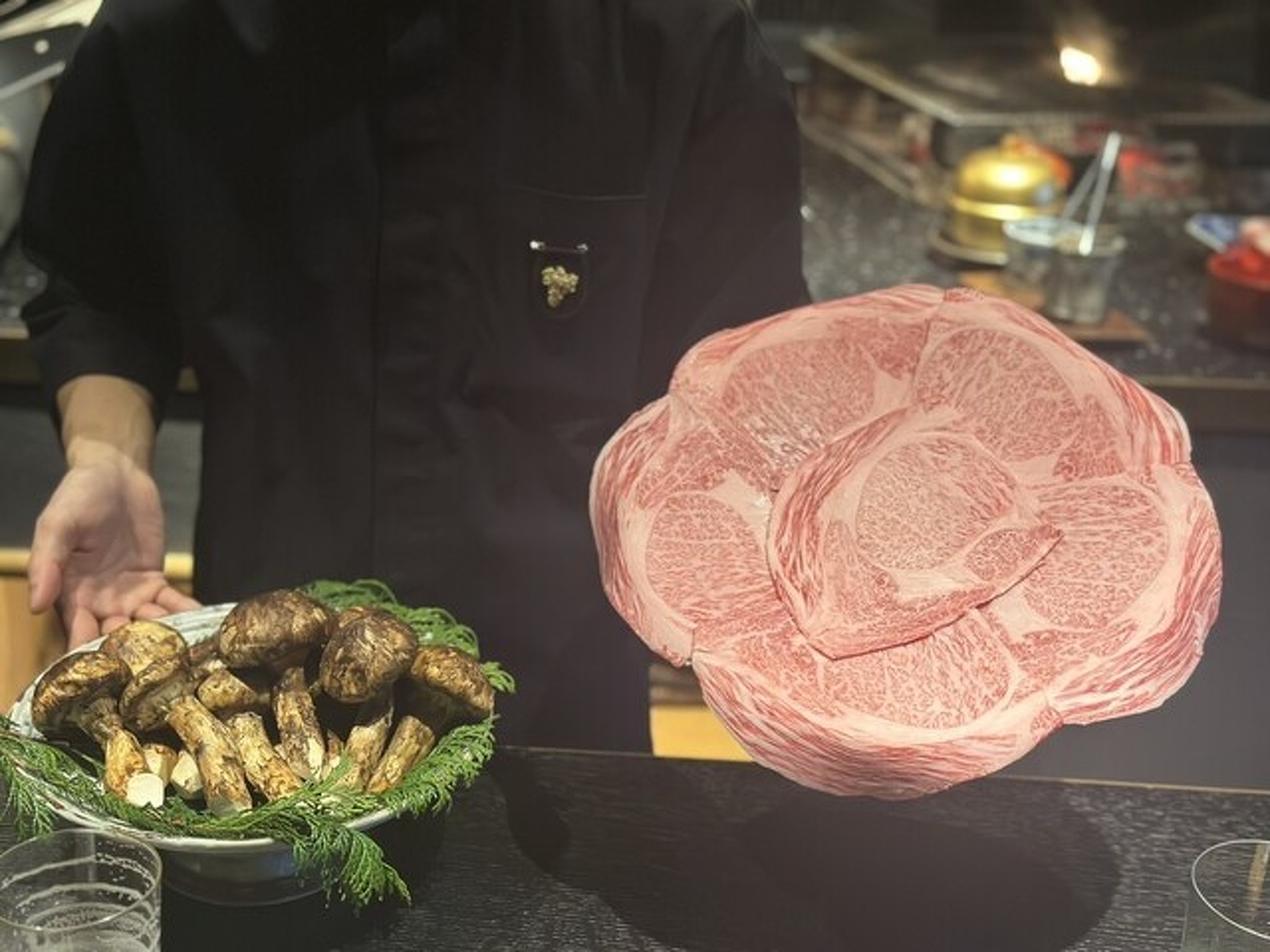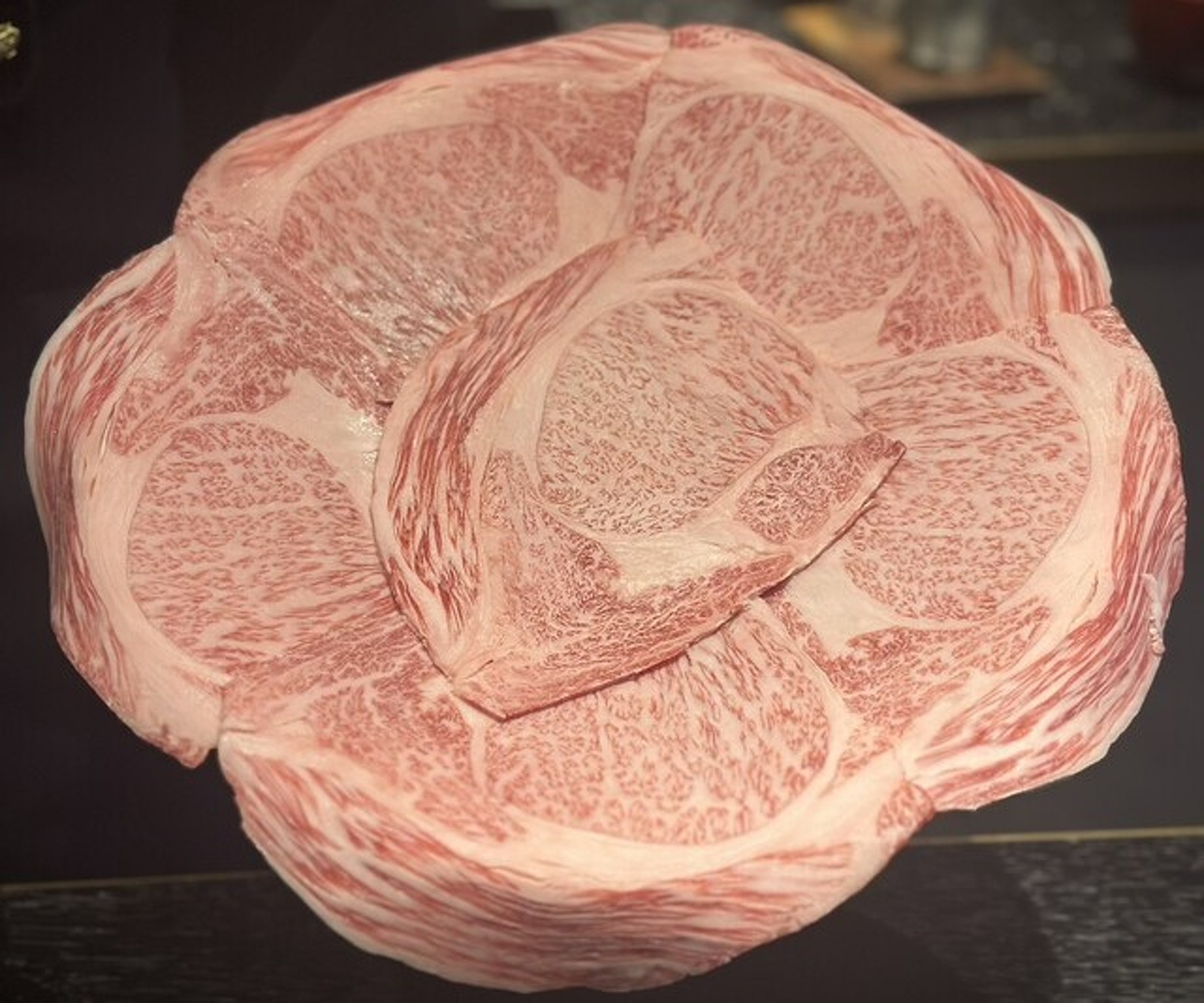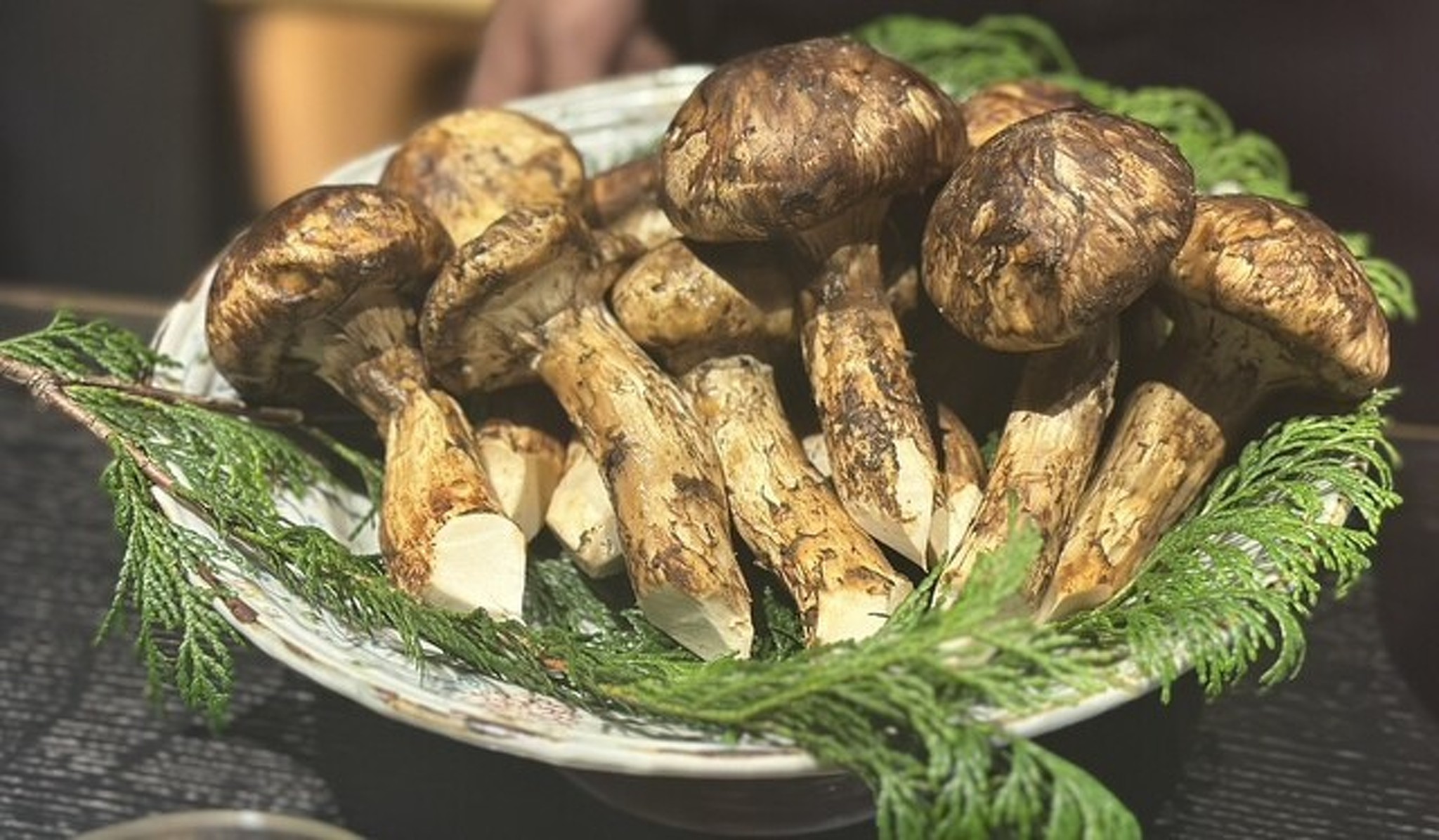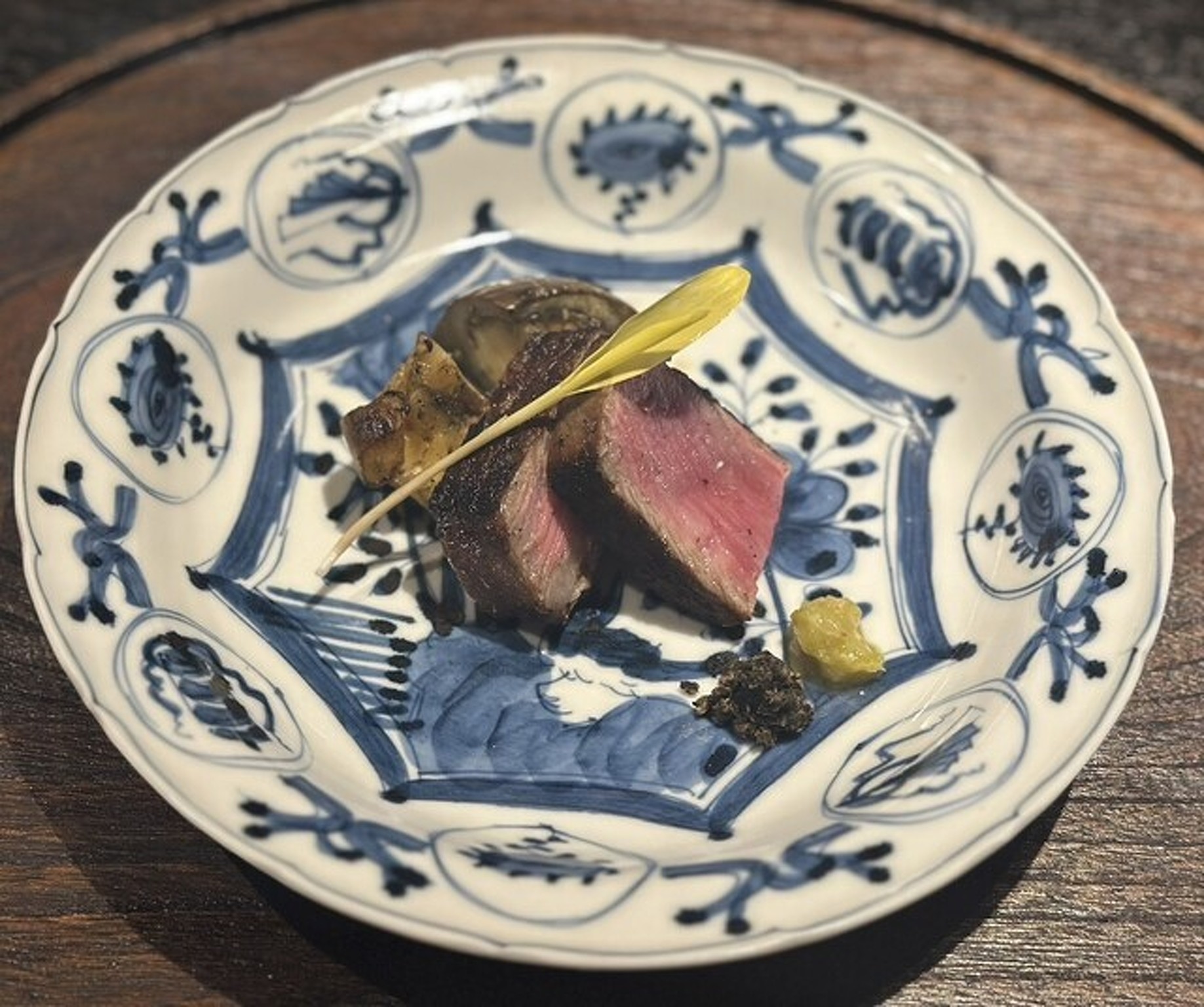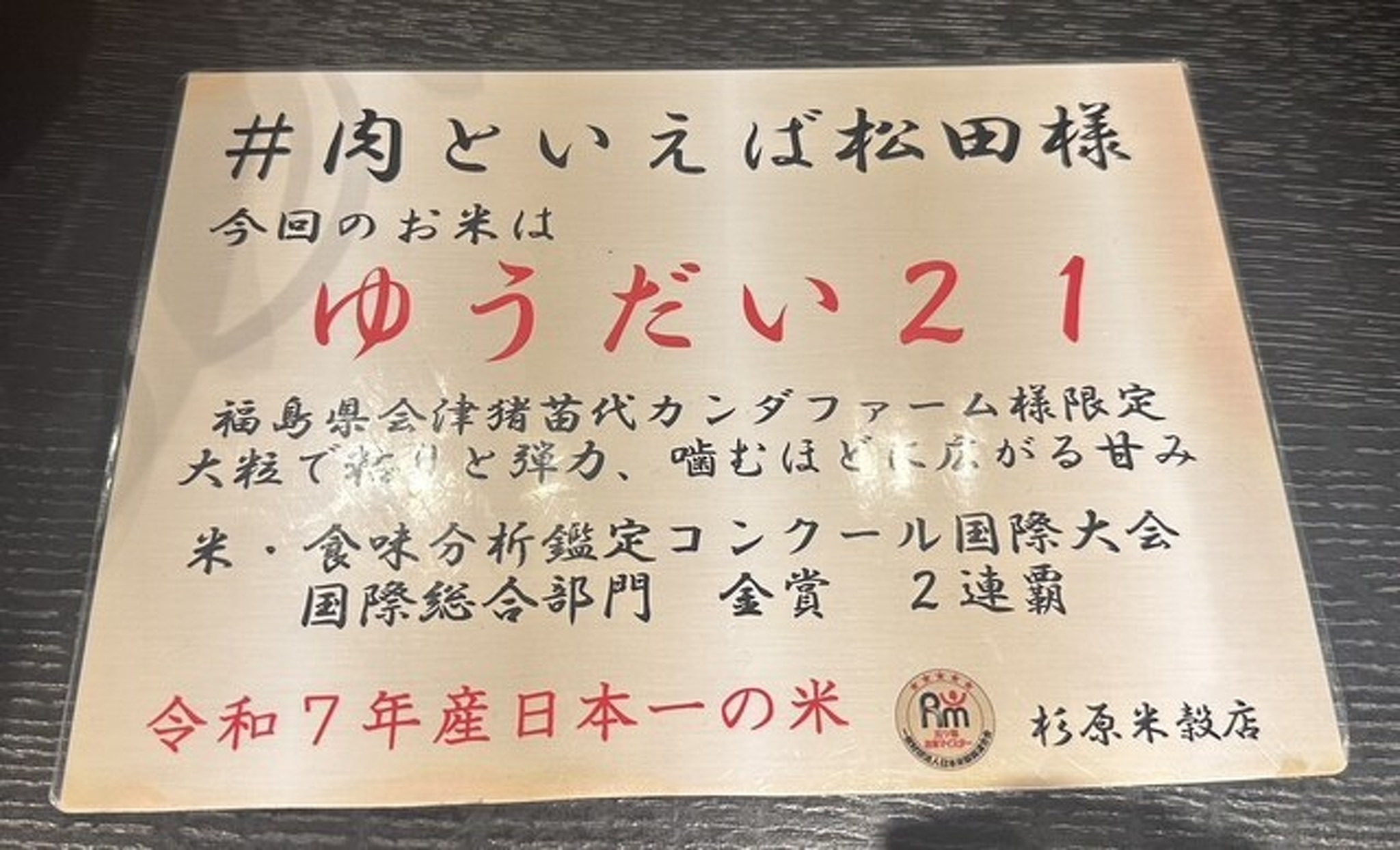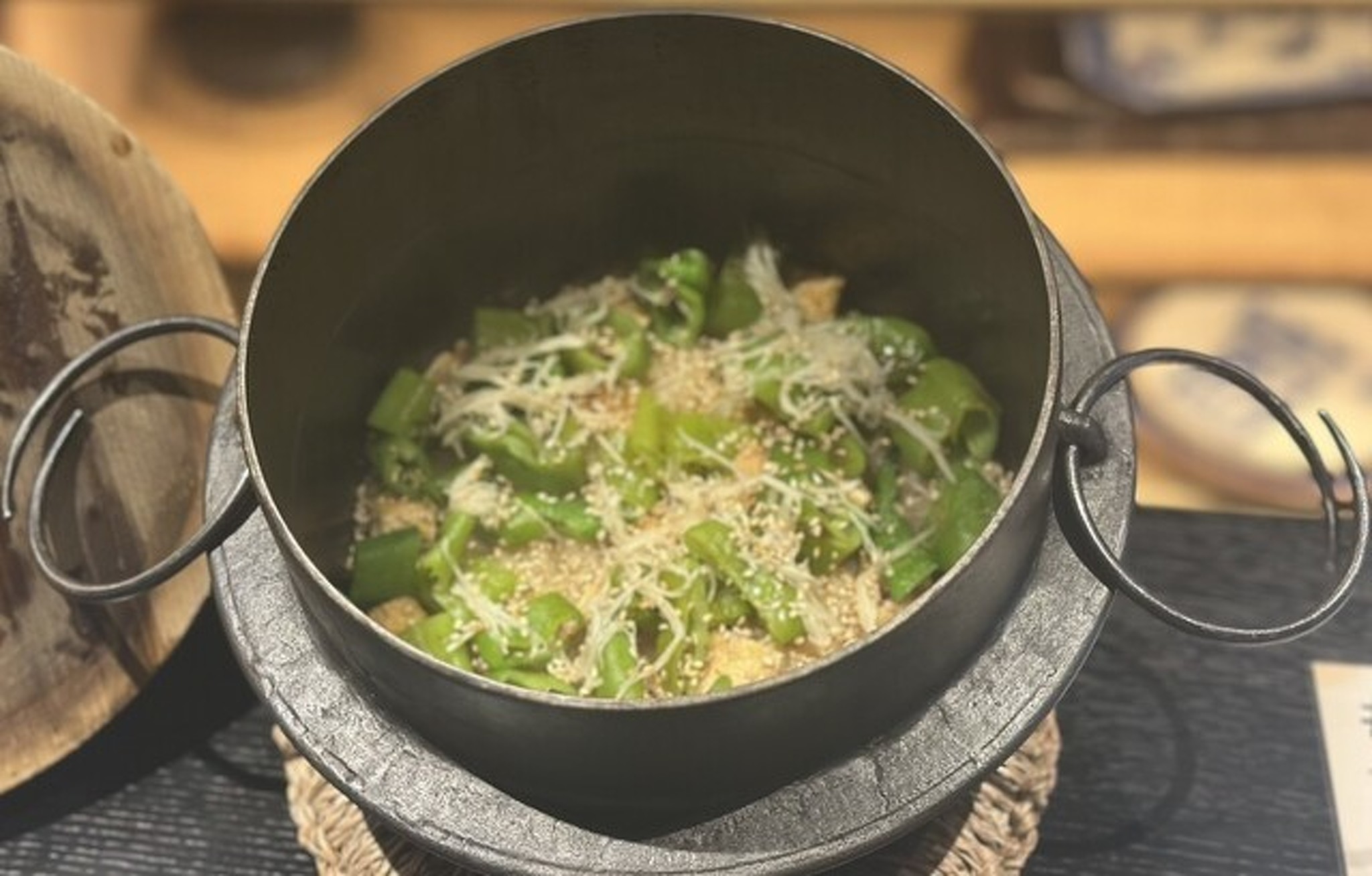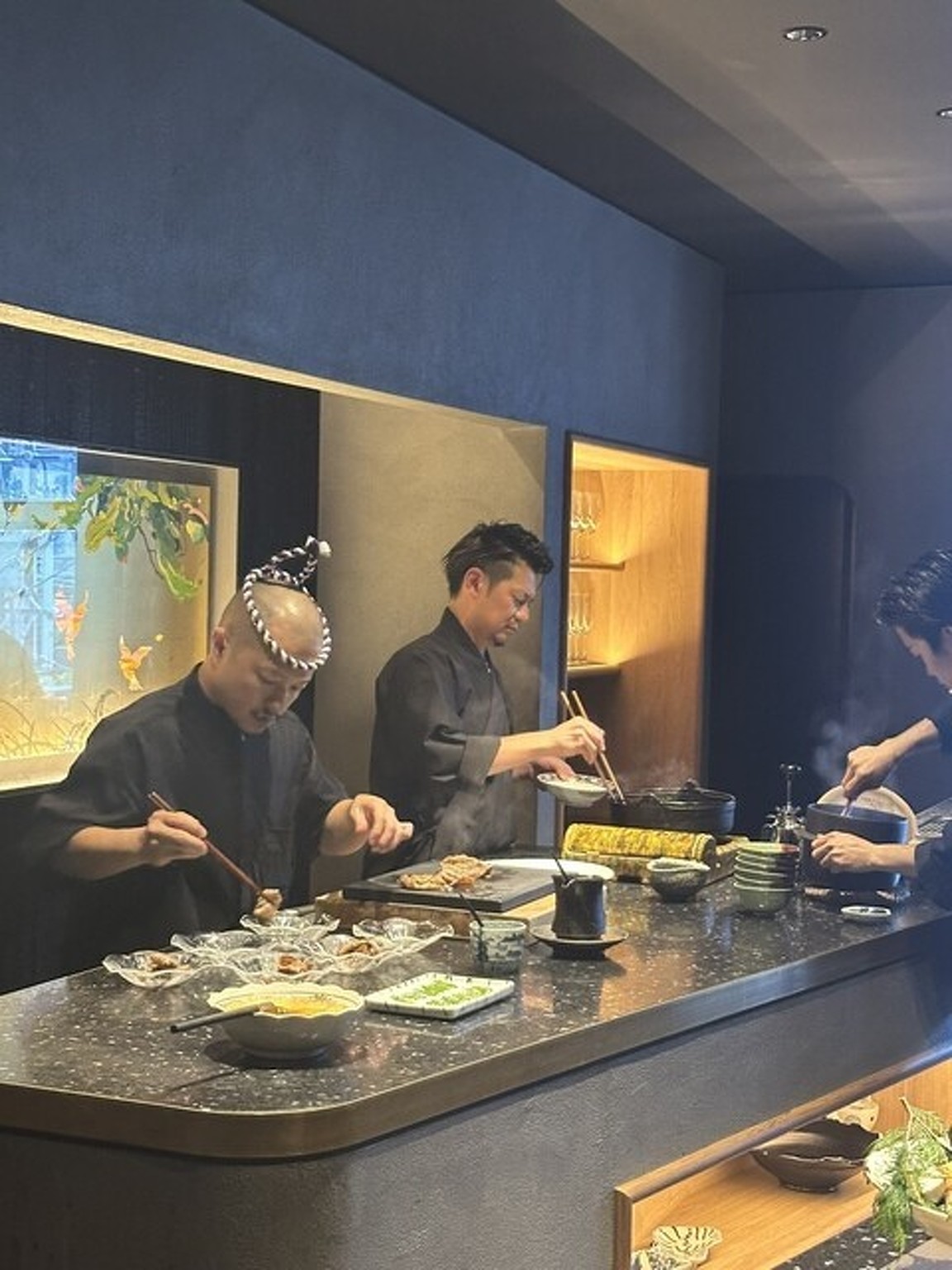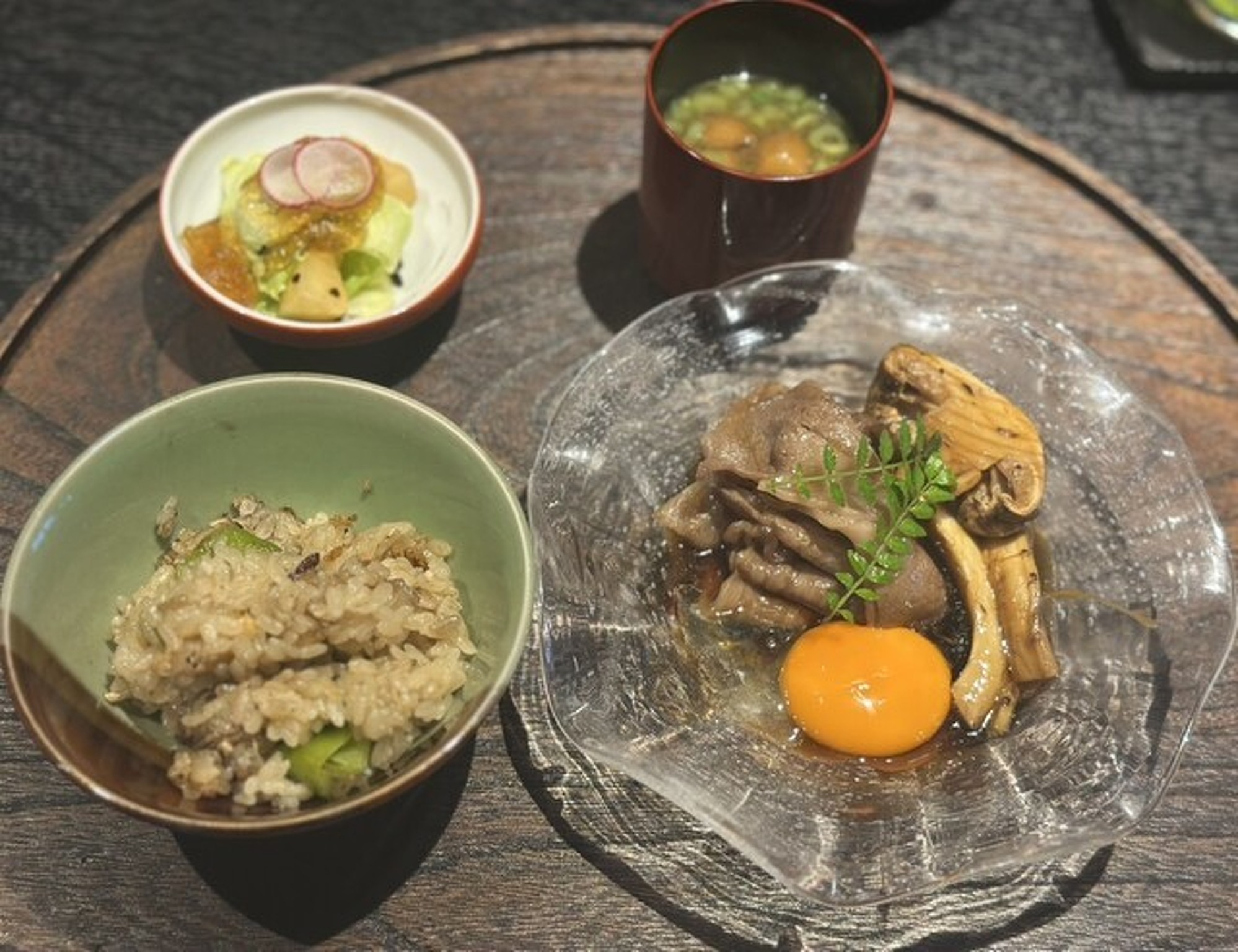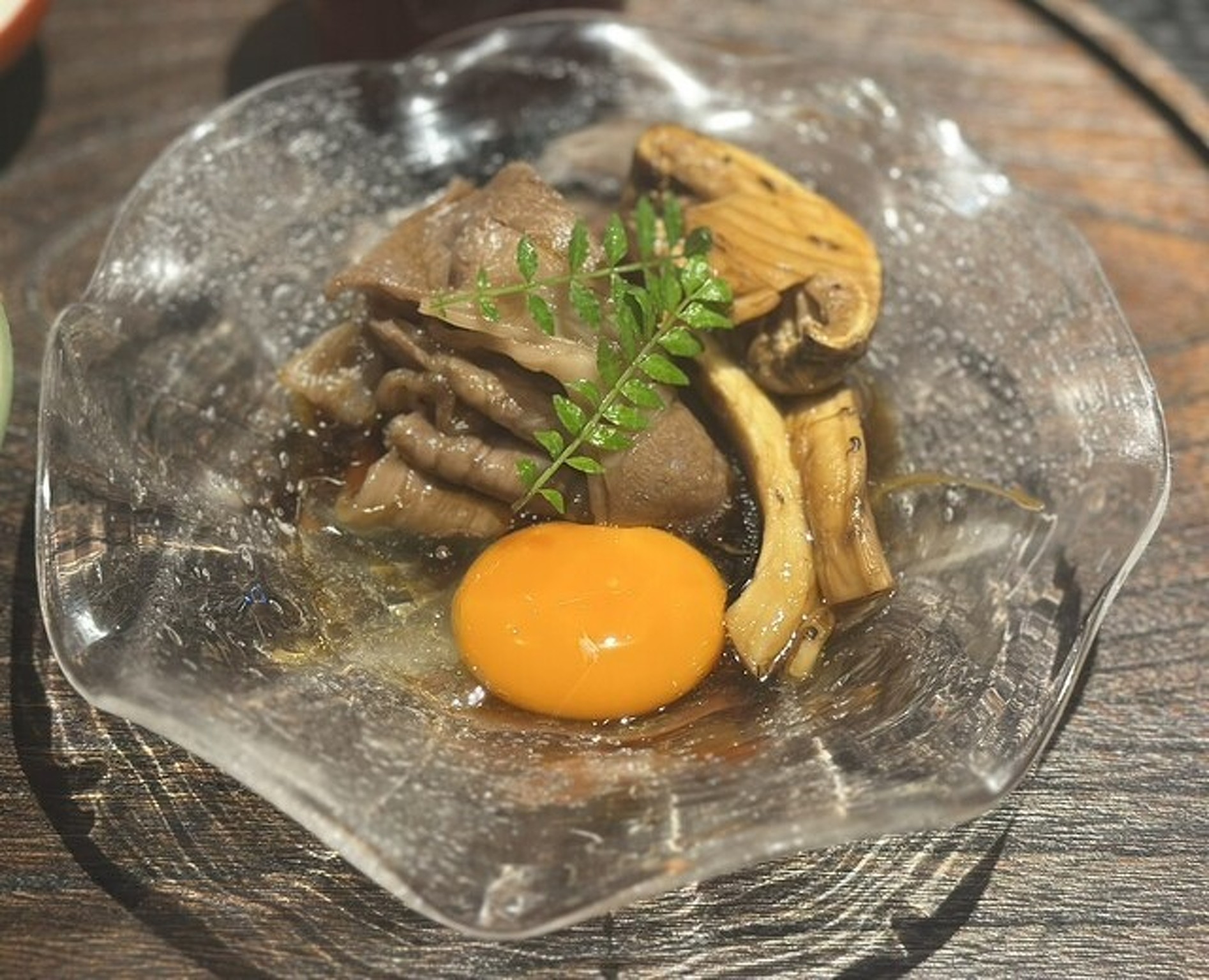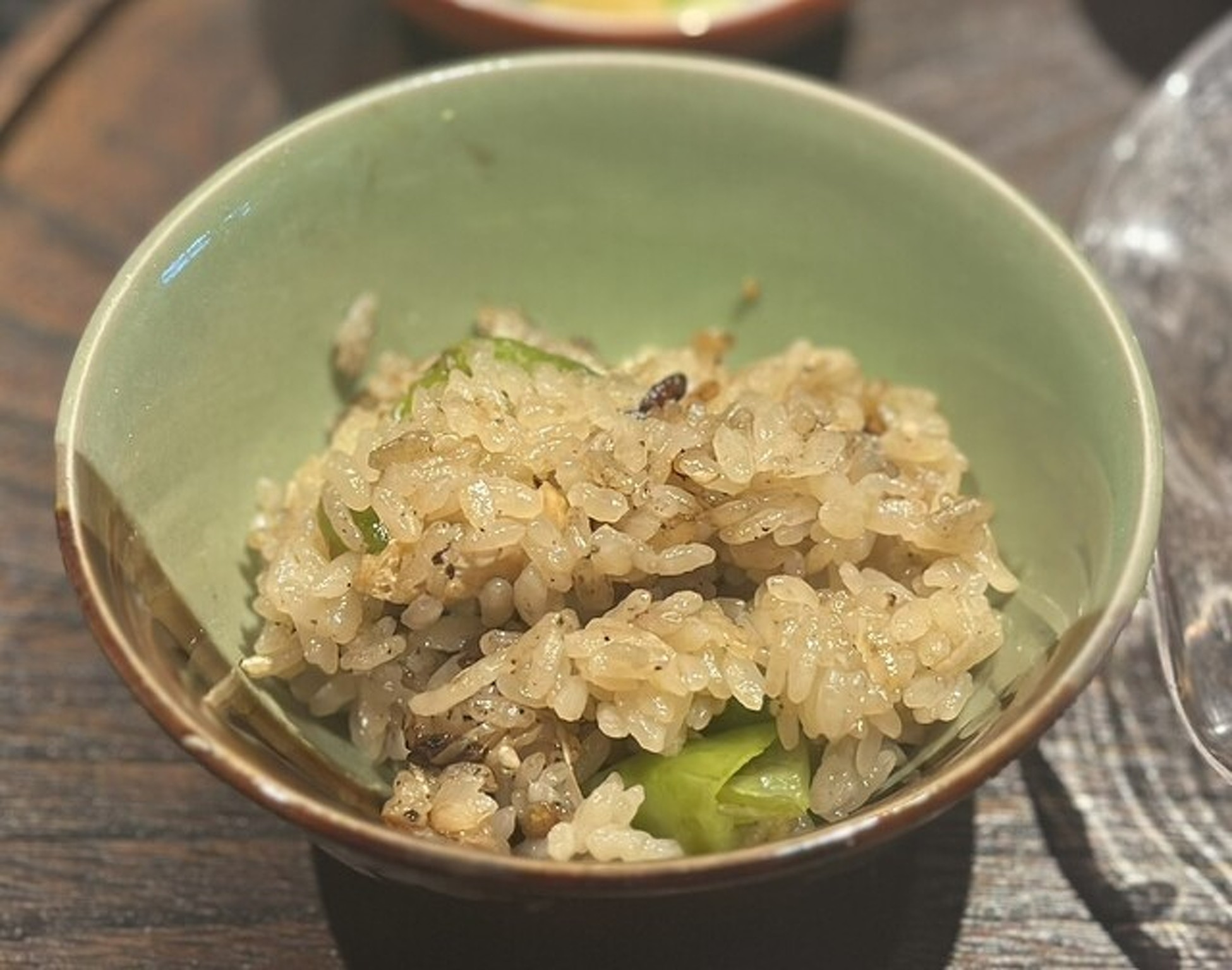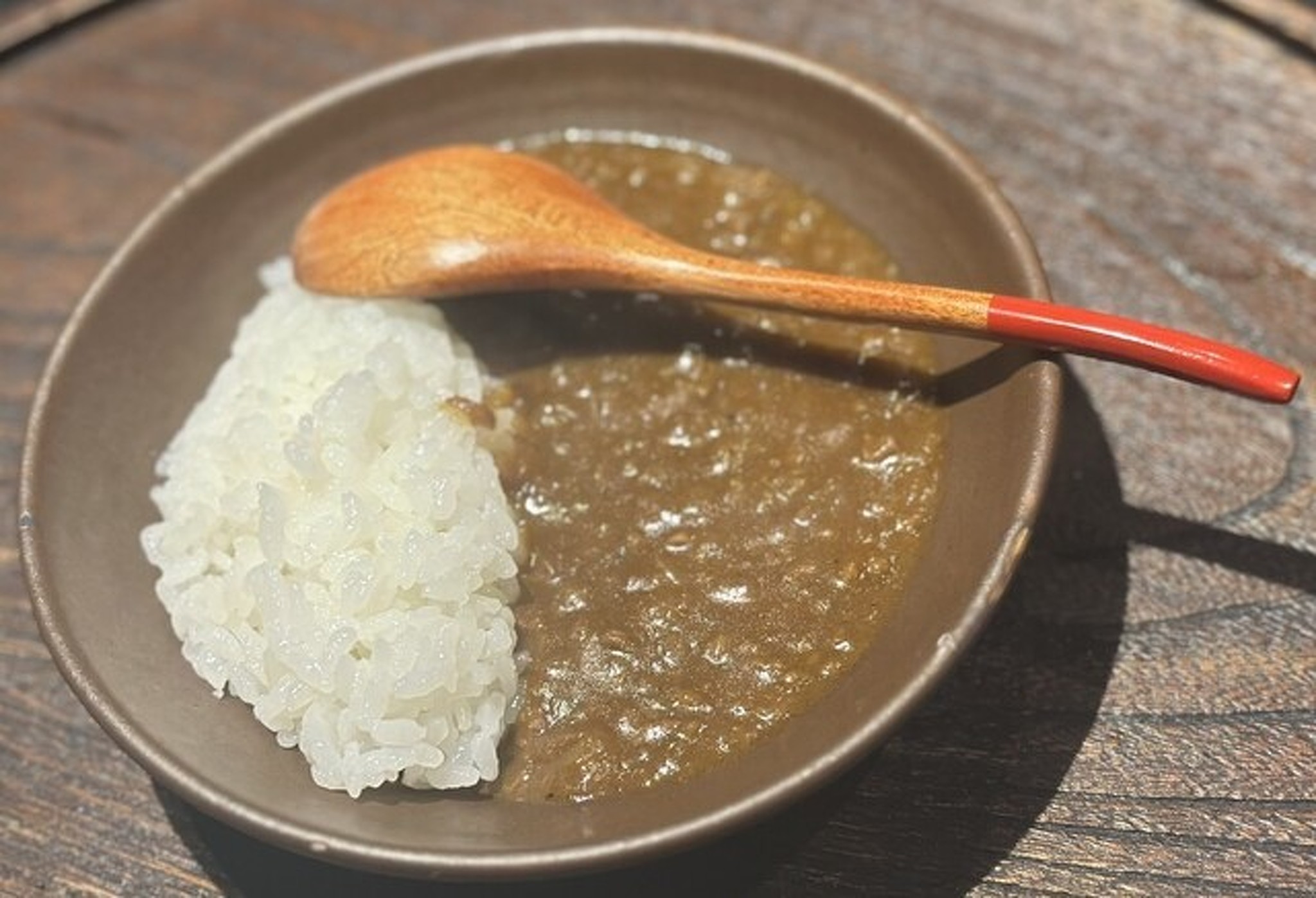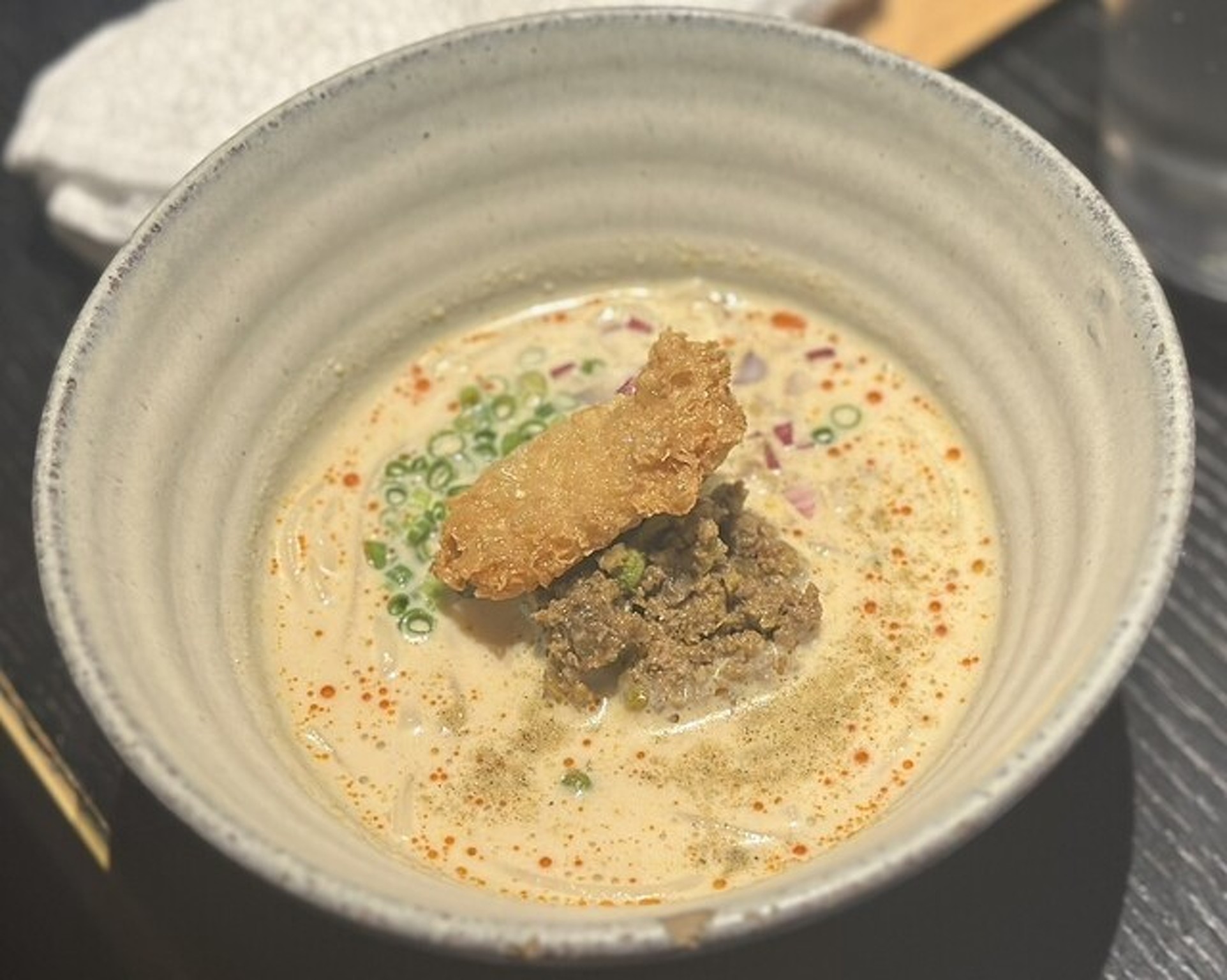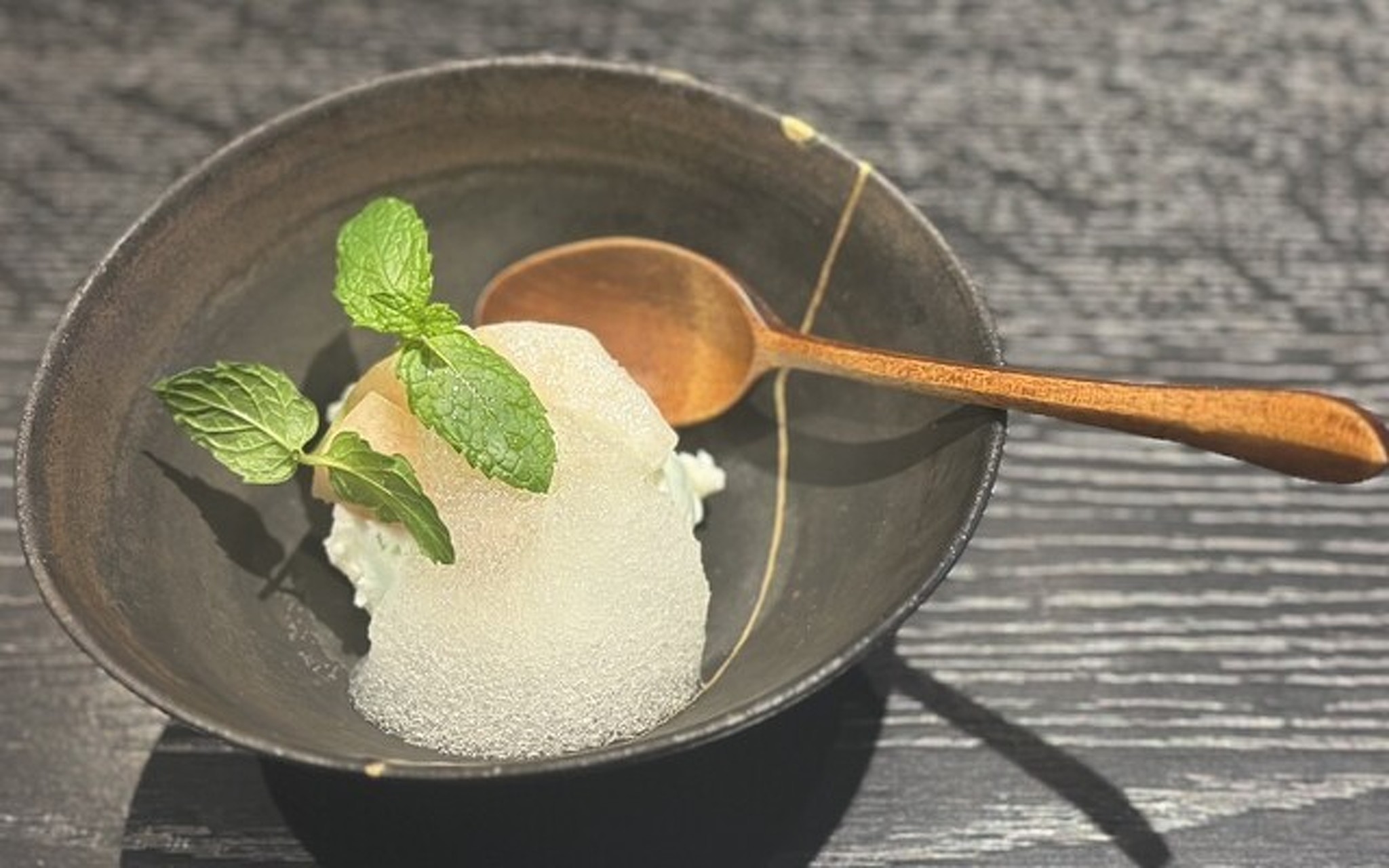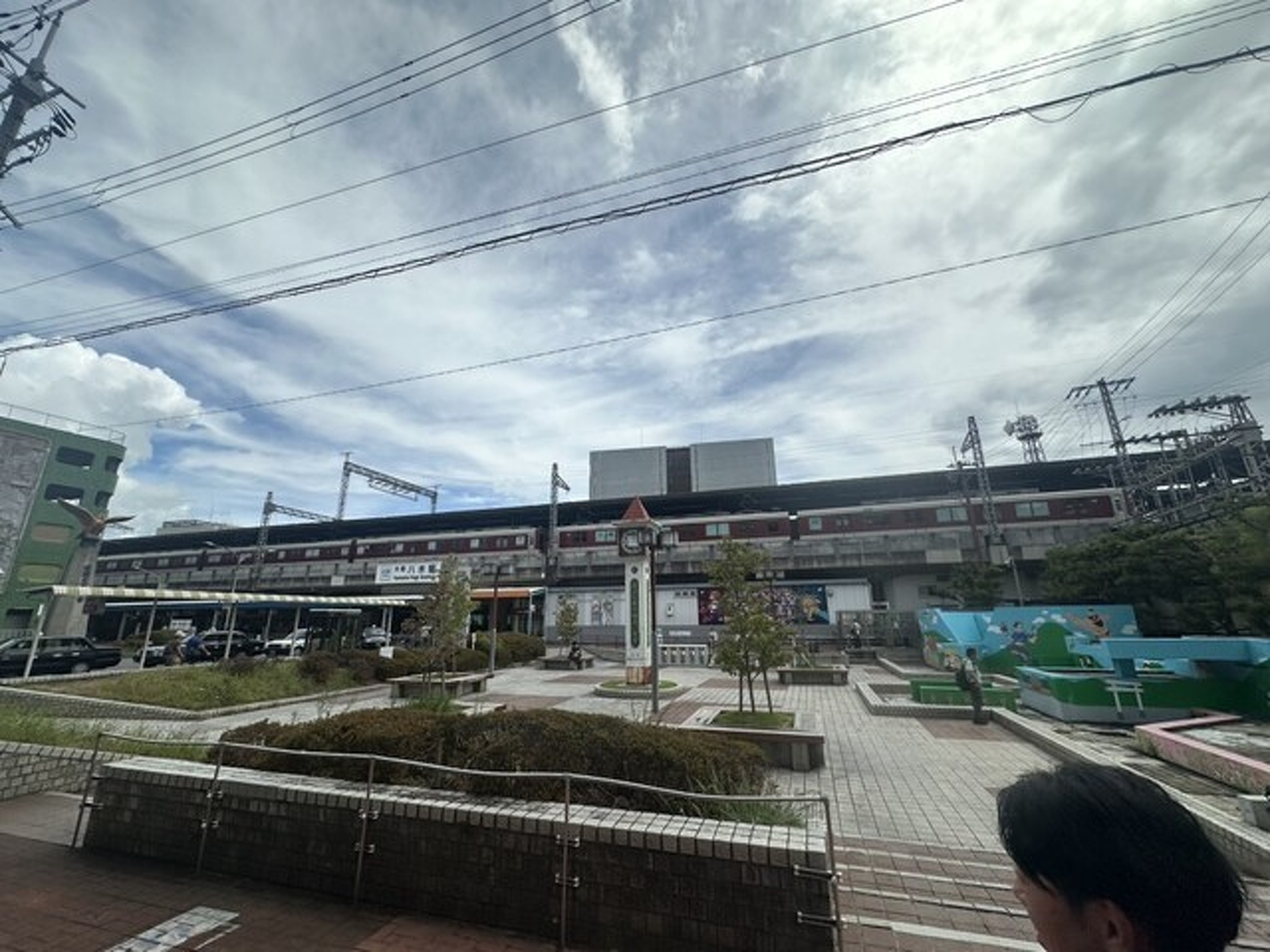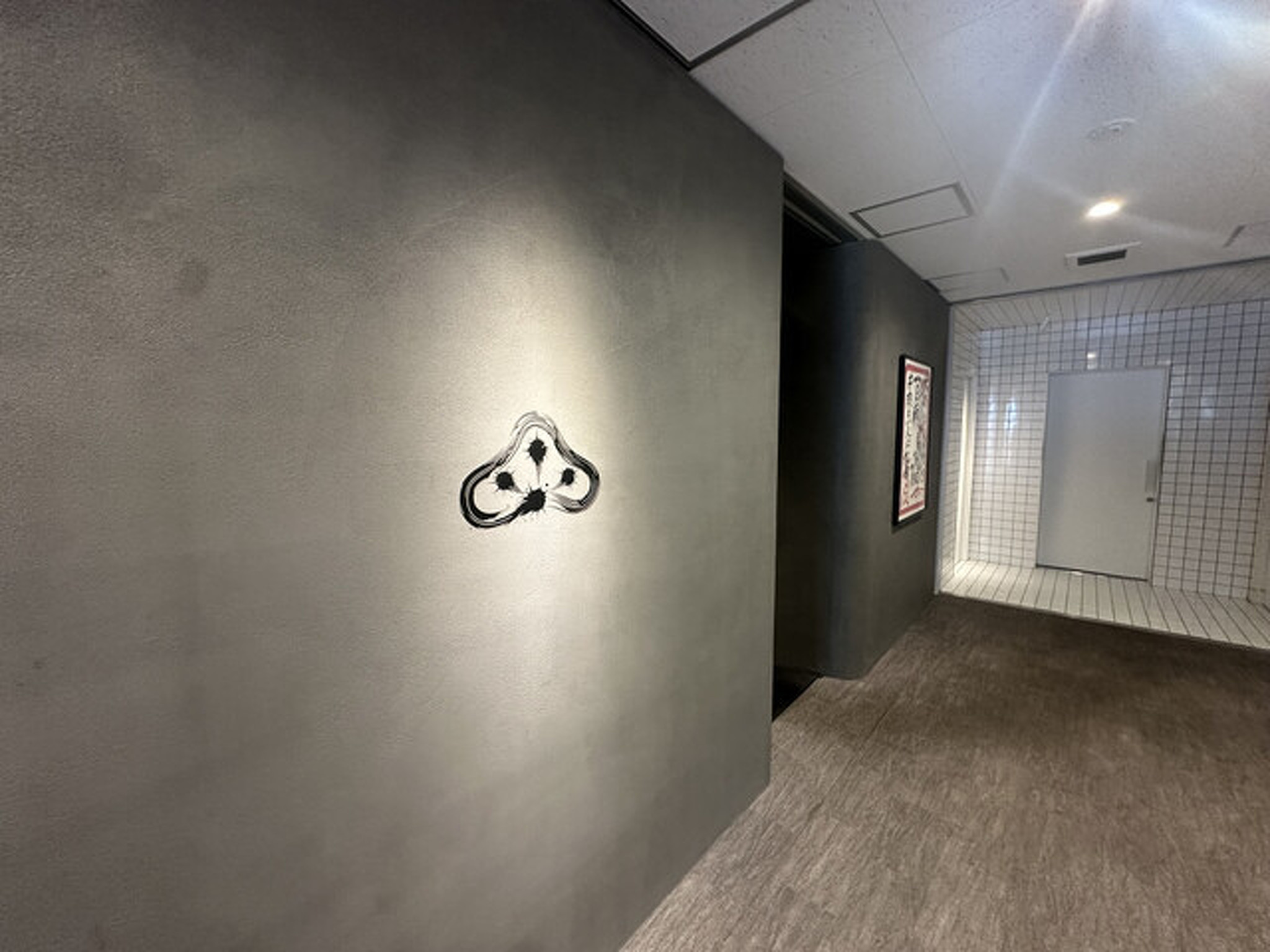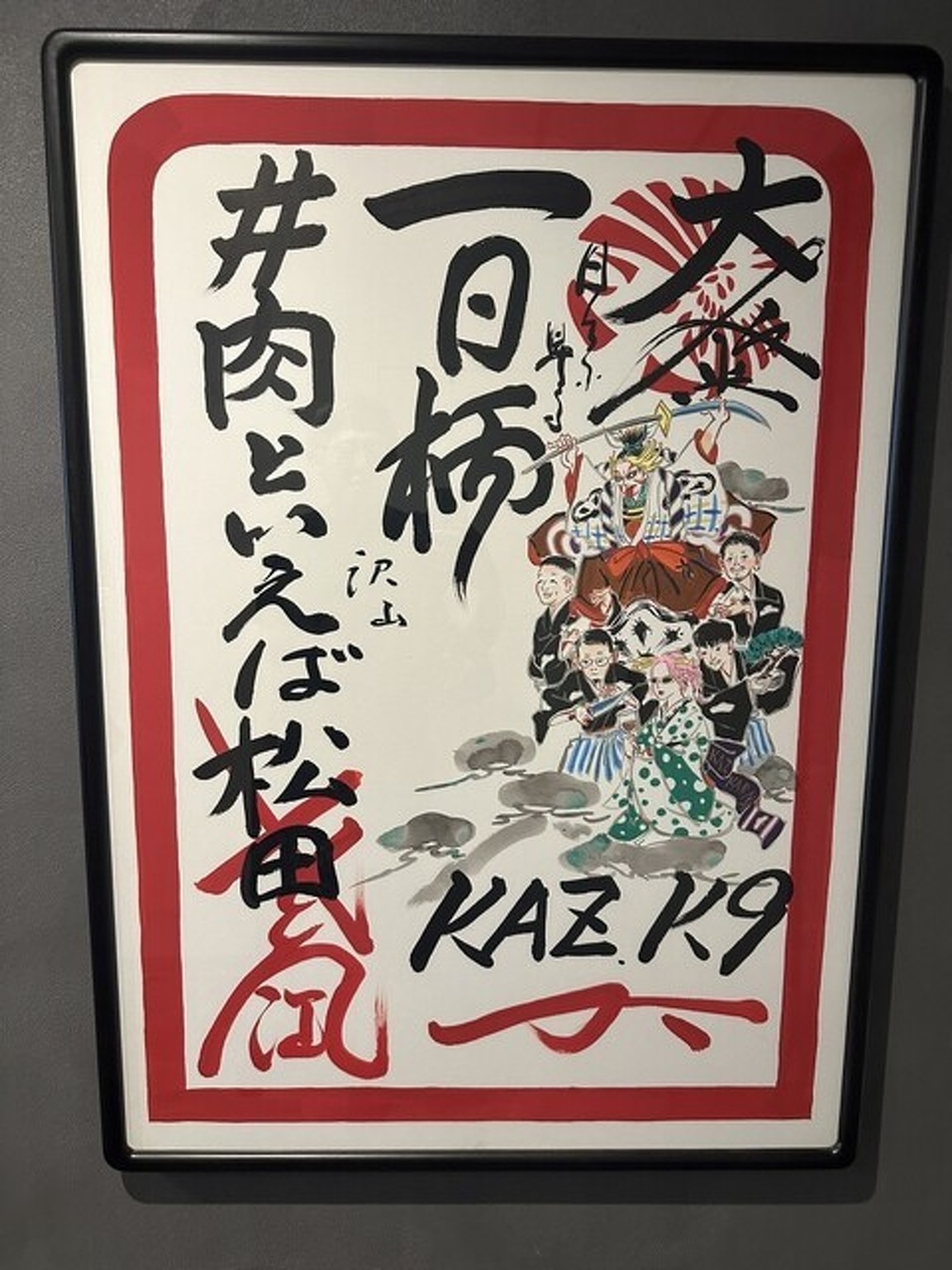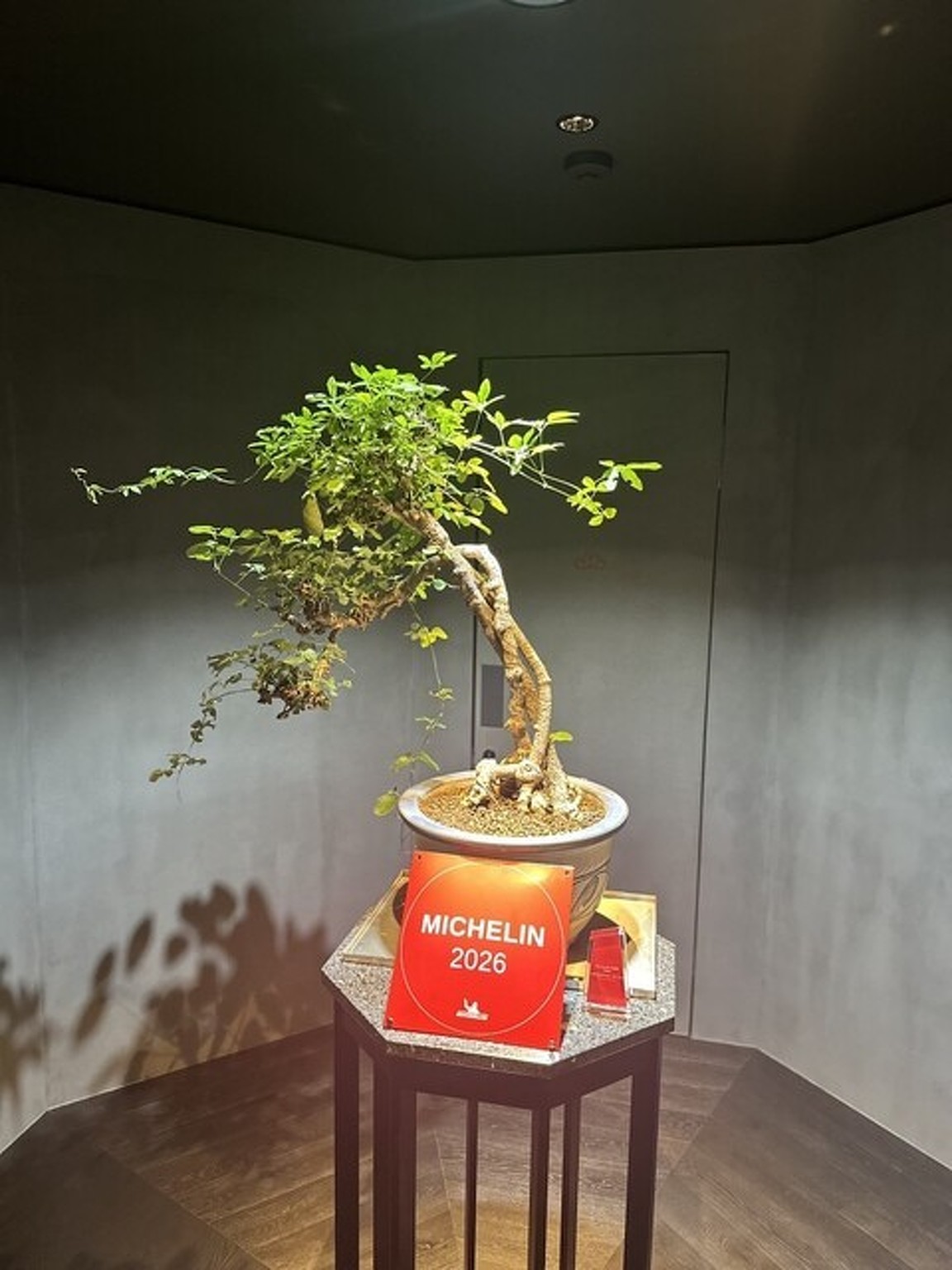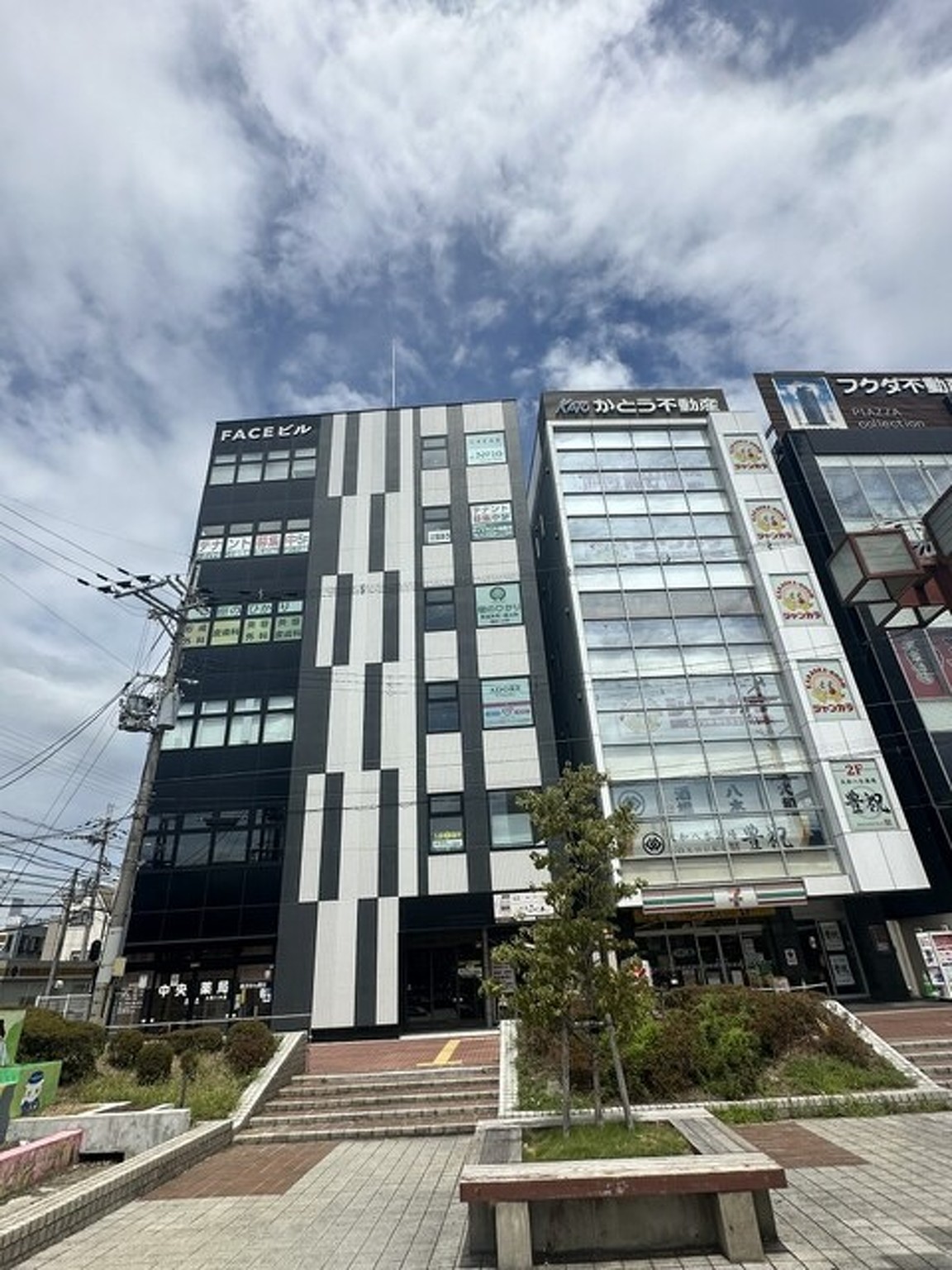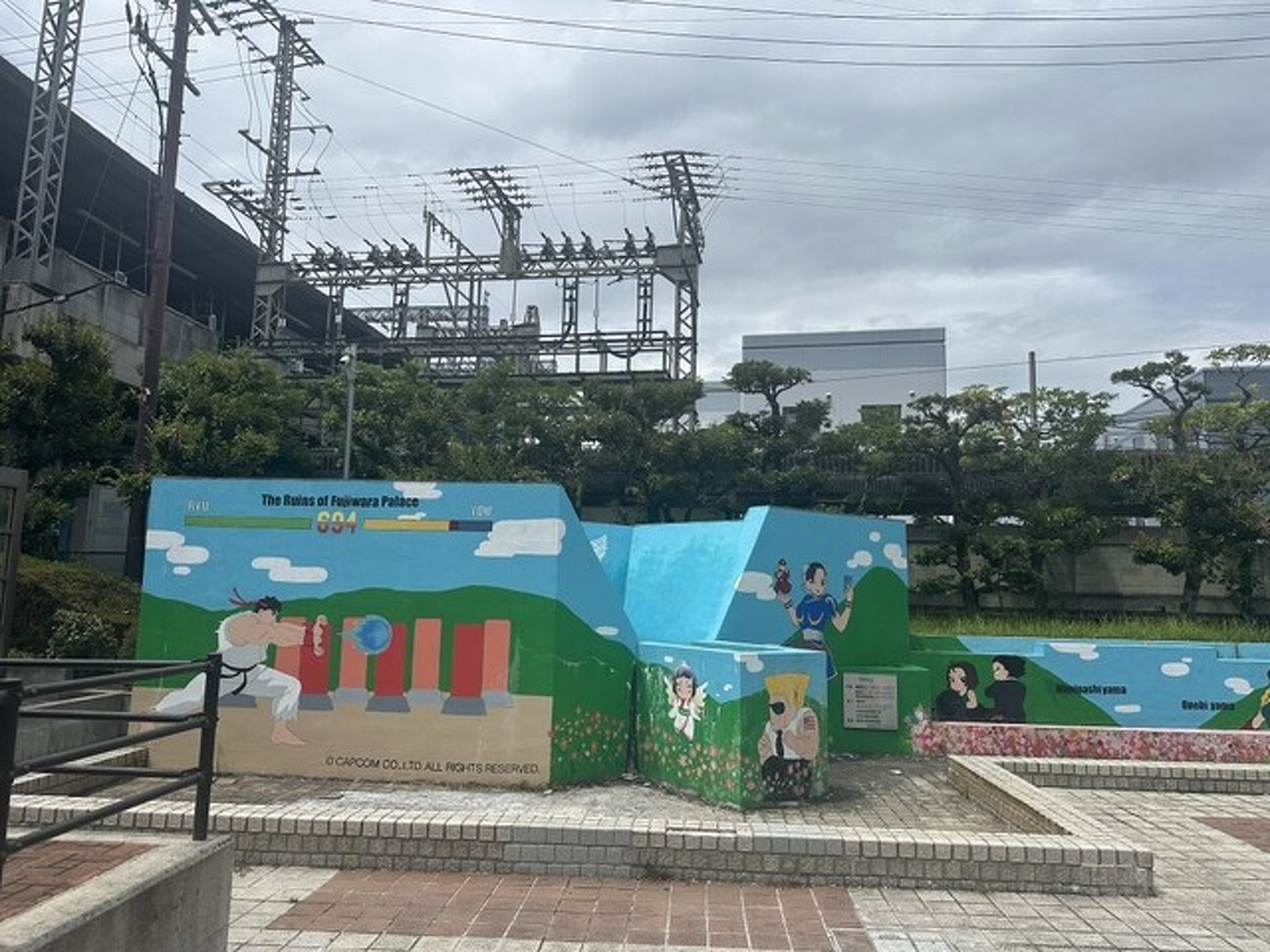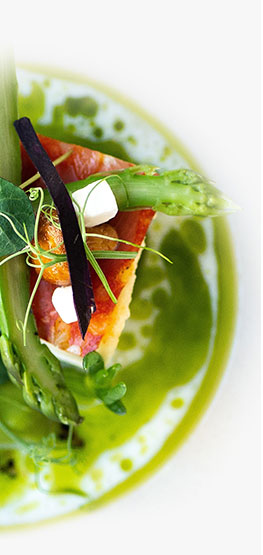
This was my third visit.I traveled all the way to Nara, specifically to Yamato-Yagi, not Nara City.It takes about 50 minutes from Kyoto Station and around 40 minutes from Namba Station. This is definitely not a place you just drop by on a whim.Yet, when it comes to Niku to ieba Matsuda, it makes you want to take the train just to enjoy the food.Once again, it was truly exceptional.The genre of "meat kaiseki" has seen significant price increases, especially in Tokyo, Osaka, and Kyoto, but at Niku to ieba Matsuda, the entire experience, including the dish composition, ingredients, variety, and live cooking atmosphere, is priced at JPY 16,500 (tax included).Even with drinks and additional dishes, this time it didn’t even reach JPY 20,000.If you were to seek similar quality ingredients and course structure in the city center, it would likely be much more expensive.It’s not just about being "cheap or expensive"; the density of the culinary experience you receive for the price is remarkably high.I believe this is the greatest charm of Niku to ieba Matsuda, which remains unchanged even after three visits. However, the location is indeed quite inconvenient (laughs).That said, it’s just a short walk from Yamato-Yagi Station.The area around the station is currently deeply connected to "Street Fighter," and a short walk will lead you to historical and cultural sites typical of Nara. I think it would be interesting to combine a visit here with the "Asuka and Fujiwara Capital" which was recognized as a World Heritage Site this year.Still, I believe it’s perfectly valid to say, "I’m visiting for Niku to ieba Matsuda and sightseeing is just a bonus."Probably (laughs).If you’re going to visit, I personally recommend the "Nara Main Store" without hesitation. The live kitchen where you can see the chef’s techniques across the counter is a crucial element that completes the dishes here.The sound of meat sizzling, the aroma of charcoal, the moment the knife cuts through, and the steam when opening the clay pot. It’s not just about eating the finished plates; the entire process of cooking becomes part of the course.This time, I ordered the JPY 16,500 (tax included) course.The main focus is on Yamato Beef.The tongue and tail are made with Omi Beef, and the Chateaubriand features Okinawa Beef.To be honest, I’m not knowledgeable enough about Wagyu to distinguish the subtle differences between "this is Yamato Beef" and "this is Omi Beef" in a blind test.However, the way each cut varies in fat quality, aroma, and texture, combined with Nara pickles, Kamo eggplant, Miwa somen, and Manganji peppers, creates a cohesive dish that even a novice can clearly appreciate.It was striking from the start."Okinawa Filet Chateaubriand Sandwich with Nara Pickles and Homemade Fermented Mayonnaise"→ This was one of the most memorable dishes of the evening.Given that it’s Chateaubriand, it could easily be a heavy dish, but Niku to ieba Matsuda doesn’t just stop at "good meat sandwiched in bread." The tender texture typical of filet, combined with the rich flavor of the meat that bursts in your mouth, is enhanced by the depth of the homemade fermented mayonnaise. The Nara pickles add an extra layer.The fermented aroma and saltiness of the Nara pickles, along with a hint of sake lees, refresh the richness of the Chateaubriand’s fat, inviting another bite.Instead of being just a rich sandwich of meat, bread, and mayonnaise, it becomes a meaningful meat sandwich that reflects the food culture of Nara.From the start, I was completely captivated.Next up were "Chilled Chawanmushi with Gifu Corn and Wagyu," "Roast Beef from Ramushin with Straw Smoking, Cilantro, and Sea Grapes," and "Omi Beef Tongue Sashimi."→ These three dishes were also outstanding.What stood out particularly was the range of temperature, aroma, and texture.The chilled chawanmushi, utilizing the sweetness of the corn, becomes more than just a summer appetizer when layered with the richness of Wagyu.On the other hand, the roast beef from Ramushin is straw-smoked.The moment it arrives, the aroma of straw fills the air, enhancing the umami of the lean meat with a toasty flavor.Then comes the cilantro and sea grapes.The fresh aroma of cilantro, the pop of the sea grapes, and the beef infused with straw aroma create an intriguing combination.And then there’s the Omi Beef tongue sashimi.Compared to the "tongue" you’d find in a typical yakiniku restaurant, the impression is entirely different.Instead of relying on cooking strength, it highlights the texture and natural sweetness of the meat.While retaining the unique chewiness of the tongue, the aftertaste is exceptionally refined.This balance between "luxury" and "approachability" is something Niku to ieba Matsuda excels at."Yamato Beef Aged Hamburg with Summer Vegetables and Grated Yuzu"→ I really enjoyed this dish as well.Hamburg steak is a familiar dish, and I believe it’s one that can’t be easily faked. The hamburg at Niku to ieba Matsuda isn’t just a simple "high-end hamburg because it’s a high-end restaurant."The umami of the aged Yamato Beef is at the center, with the meat juices being absorbed by the summer vegetables. Then there’s the grated yuzu.The refreshing aroma from the freshly grated yuzu lightens the robust flavor of the aged meat.At the moment of taking a bite, it’s all about the meat. As you chew, the aged aroma comes through, and finally, the yuzu scent lingers in your nose.The sensation of the flavor shifting within a single dish is incredibly interesting. Hamburg steak is often judged solely on "juiciness" and "tenderness," but here, the aroma is also thoughtfully designed.If asked which dish I’d want to eat again from this course, this would definitely be a candidate."Yamato Beef Sirloin and First Matsutake from Nara"→ This is a bit unfair (laughs). Sirloin and Matsutake.Just reading the words, it sounds like a luxurious pairing of ingredients, but when you actually eat it, the star is the "aroma."The sweet fat of the Yamato Beef sirloin layers with the unique aroma of Matsutake. The moment the fat of the meat coats your tongue, the Matsutake aroma wafts into your nose, creating a very memorable experience.If it were just the sirloin, it would end with the richness of the fat, but with the Matsutake, the aftertaste transforms into an autumn sensation.Including the seasonal aspect of the first Matsutake, I believe this was the most "Japanese-style meat dish" of the evening.Meat kaiseki can sometimes become just a sequence of different cuts of high-end Wagyu.However, Niku to ieba Matsuda transforms meat dishes into "seasonal cuisine" by combining them with seasonal ingredients. I think this is a significant strength compared to other meat specialty restaurants.While high-end meat kaiseki in Tokyo and Kyoto strongly emphasize "extraordinary luxury," Niku to ieba Matsuda seems to compete with "the live experience of the dishes and overwhelming satisfaction."Considering the ingredients and variety of this course, I believe the cost performance is outstanding.The only major hurdle is that you have to go all the way to Yamato-Yagi. However, conversely, the question of whether you’d want to go to Yamato-Yagi just to eat here becomes the evaluation axis for this restaurant.A "top-tier meat kaiseki" hidden in a remote area.Including the difficulty of access, it’s a place that offers the joy of visiting on purpose.【Menu Items Received】1. Okinawa Filet Chateaubriand Sandwich (with Nara Pickles and Homemade Fermented Mayonnaise) ★2. ① Chilled Chawanmushi with Gifu Corn and Wagyu ② Straw-Smoked Roast Beef from Ramushin with Cilantro and Sea Grapes ③ Omi Beef Tongue Sashimi ★3. Charcoal-Grilled Zabuton with Clay Pot Tororo Rice4. Freshly Picked Zucchini from Nara (with Shizuoka Wasabi)5. Yamato Beef Aged Hamburg (with Summer Vegetables and Grated Yuzu) ★6. Steamed Yamato Beef Tail Stew with Miwa Somen7. 30-Day Aged Yamato Beef Sirloin with Kamo Eggplant from Kyoto8. Clay Pot Rice with Manganji Peppers, Young Ginger, Thin Fried Tofu, and Yudai 21 (Fukushima Rice)9. ① Yamato Beef Sirloin and First Matsutake from Nara ★ ② Plums and Lettuce ③ Nameko Miso Soup10. Miwa Somen from Nara, served cold (additional)11. Curry to Finish (additional)12. Chilled Dandan Noodles (additional)13. Yamanashi Peaches with Homemade Gelato (made with Yoshino Kudzu and Hokkaido Milk, Ramune)
We use cookies on this site to enhance your user experience.