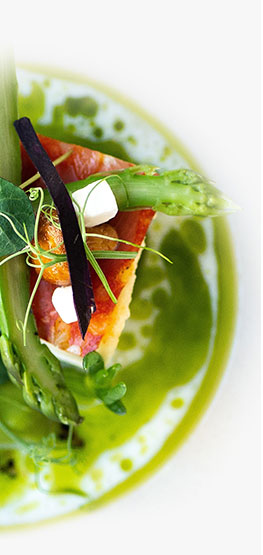
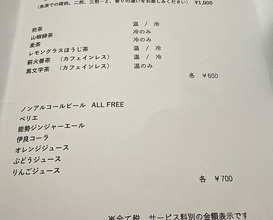
Kiyama: A Delightful Experience of Kyoto CuisineThis restaurant is the only one in the top 10 of Tabelog for Kyoto Japanese cuisine that allows you to make reservations on your own.They prepare dishes using well water that springs up nearby. The hardness of the water is 20 for this well, 50-60 for Kyoto tap water, and 90-100 for Tokyo. It’s said that soft water pairs well with kombu, which made me think that this might be why Kyoto has such a high level of Japanese culinary culture.Using this well water, they serve dishes that master the basics of Japanese cuisine, such as dashi and katsuobushi, presented in a visually appealing way, allowing you to enjoy the wonderful world of Japanese culture. I believe it would be great for foreigners as well.Overall, the dishes are based on the excellence of traditional Japanese cuisine, while also incorporating unique flavors and ideas. The taste is generally mild and gentle, embodying the softness of the dashi made from soft water and the calmness of the chefs.I gained a deeper understanding of the world of Japanese cuisine.Both the head chef and the apprentices are great conversationalists, casually engaging with customers and creating a pleasant and relaxing atmosphere. Their hospitality is outstanding, making it very comfortable to dine here.The soft drink menu features an interesting lineup that is fun to look at.☆7.5 Sansho Green Tea A refreshing green tea with a hint of fresh sansho pepper flavor. The combination of sansho and green tea is a brilliant idea.Here’s the omakase course I enjoyed, with a total bill of JPY 18,770. Considering the content and quality, it’s an incredible value.★7.5 Well Water White Soup A slightly sweet soft water, which indeed seems delicious for cooking.★7.5 Homemade Ume Juice I believe they serve otoso during the course, but they prepared this for those who cannot drink. It has a mild and gentle taste.★8 Tofu with Corn The tofu is shaped like a water month.☆8.5 Amaebi Junsai, azuki, and shiso jelly Wrapped around it is okawakame, which has a crunchy texture and flavor reminiscent of plants. A refreshing cold appetizer that captures the essence of early summer with its gentle sweetness.The chefs are diligently shaving katsuobushi, with a block of aged katsuobushi turning a deep brown.★9 Edamame Tempura I forgot to take a photo. The edamame is a variety called Hatsudaruma from Niigata. The flavor of the edamame is rich and delicious, and the tempura enhances its taste.☆8.5 The tempura also includes fish paste, young corn, and simmered shellfish, all drizzled with peach sauce. Each ingredient melts together for a gentle flavor.★8 Sashimi: Left is Horse Mackerel, Right is Isaki The horse mackerel has a thick dashi sauce. ☆9 Isaki with grilled sake and ume. The subtle flavor of the lightly salted ume is exquisite. In front, the yellow item is pickled zucchini, along with watercress in soy sauce and wasabi.Next, I tasted the katsuobushi that had just been shaved, two types.★8.5 Karabushi (left in the photo) Smoked for a month, retaining moisture. It resembles the type of katsuobushi we commonly eat. Indeed.★9 Honkarebushi This is aged katsuobushi with mold attached, aged for months. The umami is strong, and the aroma wafts through your nose after tasting. It melts in your mouth like snow, providing a surprising and delightful texture! I never knew katsuobushi could be like this.★8 Freshly Ground Dashi, Two Types. In the well water, they add kombu dashi. The head chef generously adds a mountain of the two types of katsuobushi right in front of me to complete the dish.It’s simple but embodies the characteristics and charm of Kiyama.On the other hand, it feels a bit wasteful to use such exquisite katsuobushi for dashi; I almost want to enjoy it as is.★8.5 Soup Dish: Sweetfish, Turnip, and Tsuru Murasaki They added a bit of salt and soy sauce to the previous dashi. Yuzu is just for aroma. It’s bitter when eaten. The dashi, characteristic of soft water, envelops you with its melting quality. The sweetfish is fluffy and perfectly cooked. The turnip is surprisingly juicy, absorbing a lot of dashi, and is incredibly tender.★8.5 Grilled Sweetfish with Blue Yuzu Sauce and Woodleaf Paste The taste is a classic delight of Japanese cuisine. The gradient from orange to pink in the gari is stunning.★7.5 Female Blue Crab Roe, Okra, Red Bell Pepper, Sesame Dressing A refreshing cold dish that captures the essence of early summer. Each ingredient shines with its own deliciousness.★8.5 Simmered Dish Hamo, Kamo Eggplant, Chili Pepper, and Miyama's Real Sansho, a luxurious dish made with Kyoto ingredients. It has a transparent tomato sauce. The hamo has a surprising fluffy texture, and the kamo eggplant is juicy and tender, absorbing a lot of dashi.Overall, you can truly enjoy the excellence of traditional Japanese cuisine at its peak.For the rice dishes, you can choose as much as you like from five options. Since I had some room left, I tried a small portion of everything.★8 Octopus Egg Omelet Fluffy with the umami of dashi.★7.5 Shellfish Dashi Ramen A light ramen that captures the essence of dashi, elevated to a more refined Japanese cuisine level, with a deeper umami flavor.★9 Hamachi Zuke Don The marinated hamachi is exquisite. The soy sauce marinated nobiru on top was also very delicious.★9 Kamameshi with Sawara The shredded sawara is fluffy and has a perfect texture. It has a wide surface area that enhances satisfaction.★8.5 Jako Rice Fluffy jako.☆9 With a brand egg called Kōboku from Maizuru, Kyoto. Free-range. You can choose just the yolk or include the white, but everyone opted for just the yolk. As the name suggests, the rich yolk is exquisite.★7.5 Golden Kiwi Ice Cream Close to a sorbet.★8 Matcha ★7.5 Baked Confection with Lemon An It features white bean paste and gyuhi, providing a pleasantly soft texture like mochi.
We use cookies on this site to enhance your user experience.