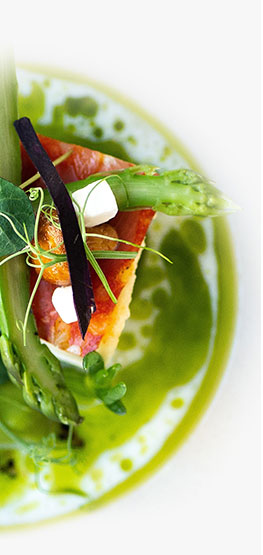
A renowned restaurant in Nara Prefecture that attracts many visitors from afar. The interior is elegantly designed with a black theme. The dining area features counter seating, allowing guests to view the central kitchen like a theater. The kitchen's presentation seems to be carefully crafted to entertain, with the head chef and handsome cooks preparing dishes in a vibrant manner, embodying the essence of Japanese culture that foreigners often envision.I enjoyed the weekday limited lunch short course. Overall, the satisfaction level was high as I savored the incredibly tender and delightful texture of Yamato Beef. The flavors were straightforward and undeniably delicious. The meat and seasoning were consistently outstanding, with each dish delivering a punch of flavor. In addition to the main Yamato Beef, they also offered a variety of local brands from Nara and Wakayama, as well as exceptional ingredients from renowned regions across Japan. To enjoy such quality meat and dishes for JPY 6,600 is a rare find in terms of cost performance these days.★ 9 Appetizers (3 dishes) ☆ Left: Seasonal ingredients and meat I took a lotus leaf vessel and poured in shiso flowers and Akita-grown junsai into my glass. Inside the glass were Yamato Beef loin tartare, Hokkaido long yam, and Kumamoto aosa seaweed. The Yamato Beef loin was tender, well-marbled, and sweet—a classic example of excellent Wagyu.☆ Right: Fukuoka beef tongue sashimi You can squeeze sudachi, add Fukui mustard, and sprinkle with natural kombu salt as desired. The tongue was smooth and tender, a refreshing contrast to the loin, and absolutely exquisite. The seasoning with natural kombu salt was exceptional, offering a umami flavor that was more than just salt.☆ Left: Roast beef from lamb shank Served with zucchini, seasonal wasabi, and perilla sauce. The lamb shank, known as the "lamp" from the rear, is a very tender cut with less fat, allowing you to fully enjoy the meat's natural flavor. The almost rare sear was perfect, and it was also soft and juicy.★ 9 Aged Meat Hamburg A blend of Yamato Beef loin and neck. The sauce is made primarily from blueberries from Wakayama, combined with Wagyu broth, vegetables, and mushrooms, topped with thyme. The minced meat was rich in flavor, and the blueberry sauce was exquisite, reminiscent of balsamic.★ 9.5 Yamato Beef Fillet Katsudon With Awaji new onions, Nara eggs (I missed the brand name), and seasonal snap pea sprouts. A soft, juicy, and flavorful rare steak, allowing me to indulge in the luxurious richness of the thick cut.☆ 8 Shigure-ni with seasonal Wakayama sansho pepper ☆ 8 Pickled kombu and napa cabbage Both were delicious and stood out from the rest. ☆ 7 White rice from the Yudai 21 brand. As described (see photo), it was delicious. ☆ 7 Miso soup with Nara nameko mushrooms And pickles.★ 8.5 Curry With a strong fruity flavor.☆ 7 Warm Yamato tea ★ 8.5 Homemade gelato Made with Hokkaido milk and Yoshino kudzu, served with Wakayama Nanko plum sauce. The gelato showcased the rich flavors of milk and Yoshino kudzu, with a gentle milky taste. The Nanko plum sauce provided a striking and impactful accent.At the end, I was shown the knives used in the kitchen. They separate the knives used for preparation from those displayed in the theatrical kitchen. The photo shows a custom-made knife from the Kurozaki brand in Echizen, ranging from JPY 100,000 to 500,000. The JPY 500,000 knife is large and heavy like a sword, used for performances aimed at foreign guests.I rarely buy souvenirs from restaurants, but since the course was consistently exceptional and the price was quite reasonable, I decided to purchase this dish that I didn’t get to enjoy during the course: ★ 7.5 Take-home Yamato Beef stew for JPY 1,200. It was delicious, but not as impressive as the course experience. I suppose freshness is key.
We use cookies on this site to enhance your user experience.