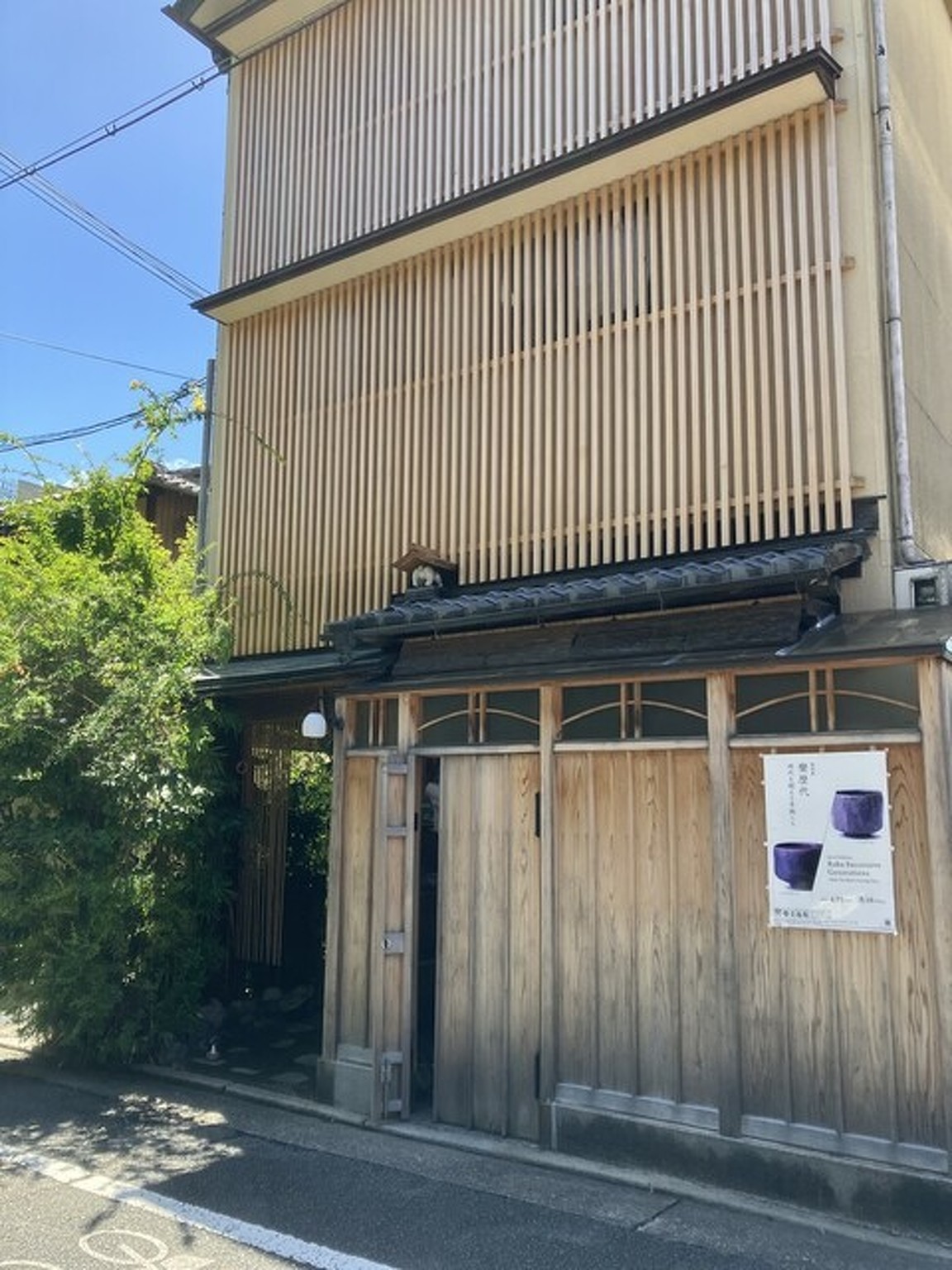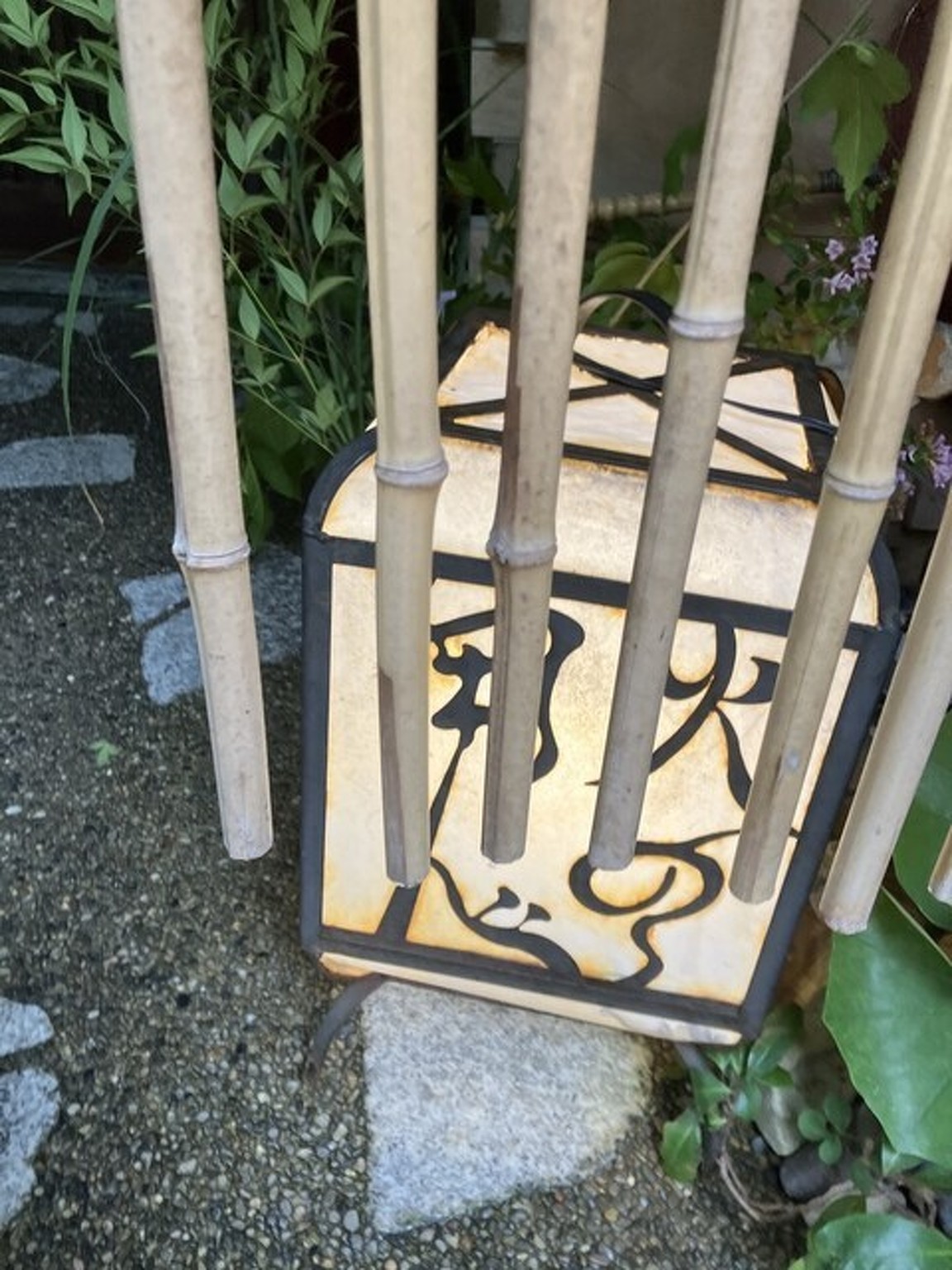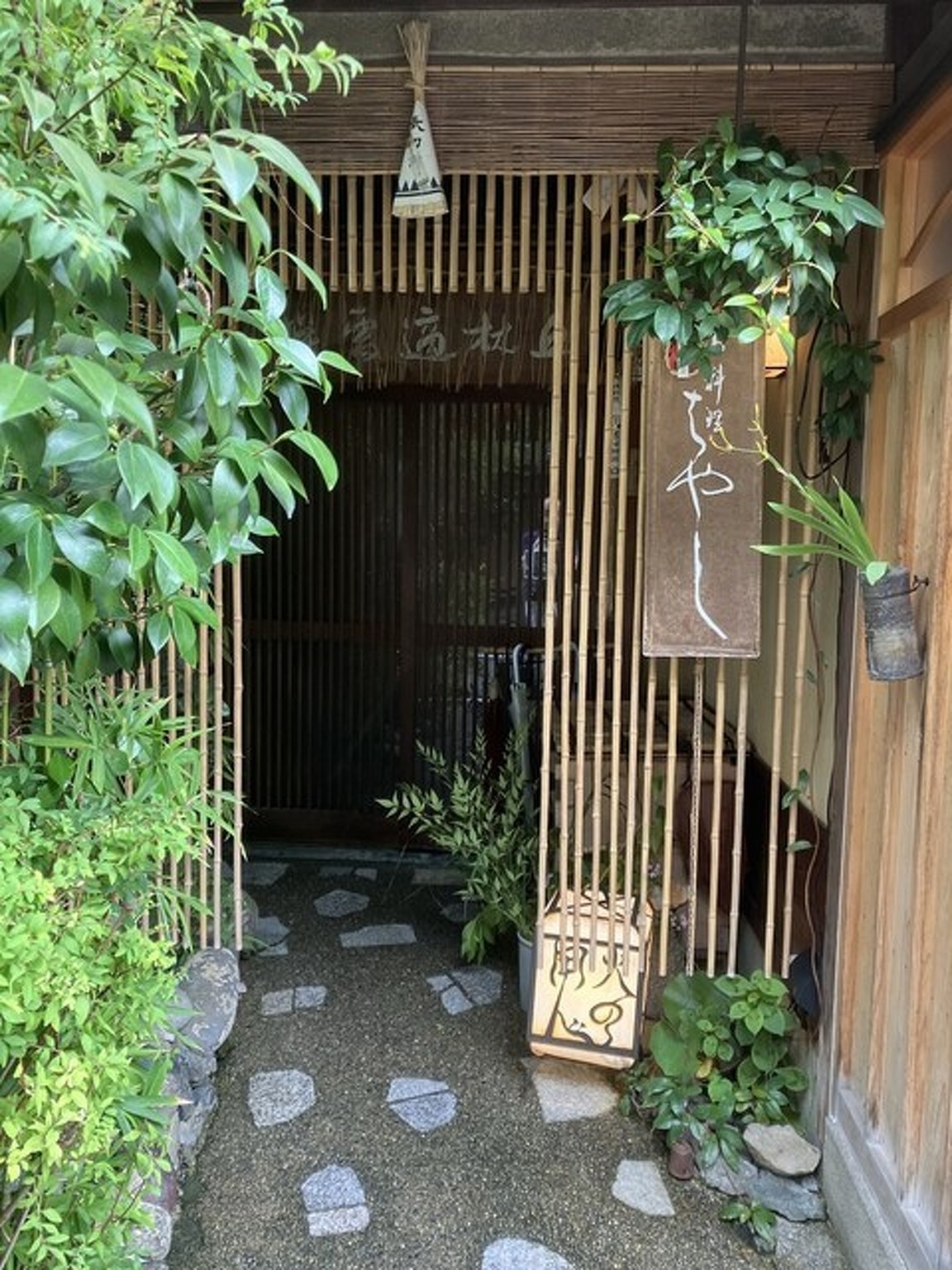
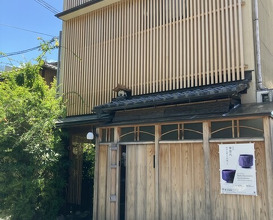
My first visit was on a weekday just after 11:30 AM. To get there, I exited the south ticket gate of Demachiyanagi Station on the Keihan Line, took exit 3 to ground level, crossed the first traffic light heading south, then turned west after crossing the Kamo River. I continued south at the first intersection of Kawaramachi Imadegawa, and the restaurant was on my right. It’s about a 3-4 minute walk from the station.Upon entering the restaurant, you take off your shoes and step up onto the tatami seating area. To the right is the counter seating. It seems there are also private tatami rooms on the second floor. The counter seats are designed so that your eye level aligns with the staff working behind the counter, allowing for a comfortable experience where you can stretch your legs.There are five counter seats, and at first, I was the only one there, which felt a bit lonely. However, regular customers gradually arrived, and it eventually became full. The head chef, the owner, and a young female chef were present, along with about three other chefs in the kitchen at the back.The owner cheerfully engaged with me, saying they don’t provide explanations for the dishes, but encouraged me to ask anything I didn’t understand.The meal began with a pre-dinner drink made from quince seeds, followed by appetizers and a beautifully arranged hassun. I couldn’t take photos at the counter, which left me feeling a bit restless. The delicate and beautifully seasoned appetizers and hassun clearly showcased the restaurant's high quality.The hassun included young conger eel, the soup contained shrimp paste, and the sashimi featured conger eel and yuba (tofu skin). The simmered dish also cleverly incorporated melt-in-your-mouth yuba as an accent. The meal continued with fried items, kudzu somen, cold rice with tea, and finished with sorbet and hot hojicha, all within a course lasting just under 90 minutes.I enjoyed every bite and paid JPY 7260 in cash before leaving. The owner saw me off at the door. Reservations are essential at this restaurant, and they open up reservation slots on Tabelog every few days.I noticed towards the end that regular customers sat on the left side of the counter near the head chef, while first-time visitors were seated on the right. This arrangement allows regulars to converse with the chef. Additionally, regulars are addressed by name when requesting dishes from the kitchen, while first-time visitors are referred to as "one person" or similar, without using their names. This experience made me acutely aware of the deep customs and high barriers of Kyoto's dining establishments.
We use cookies on this site to enhance your user experience.