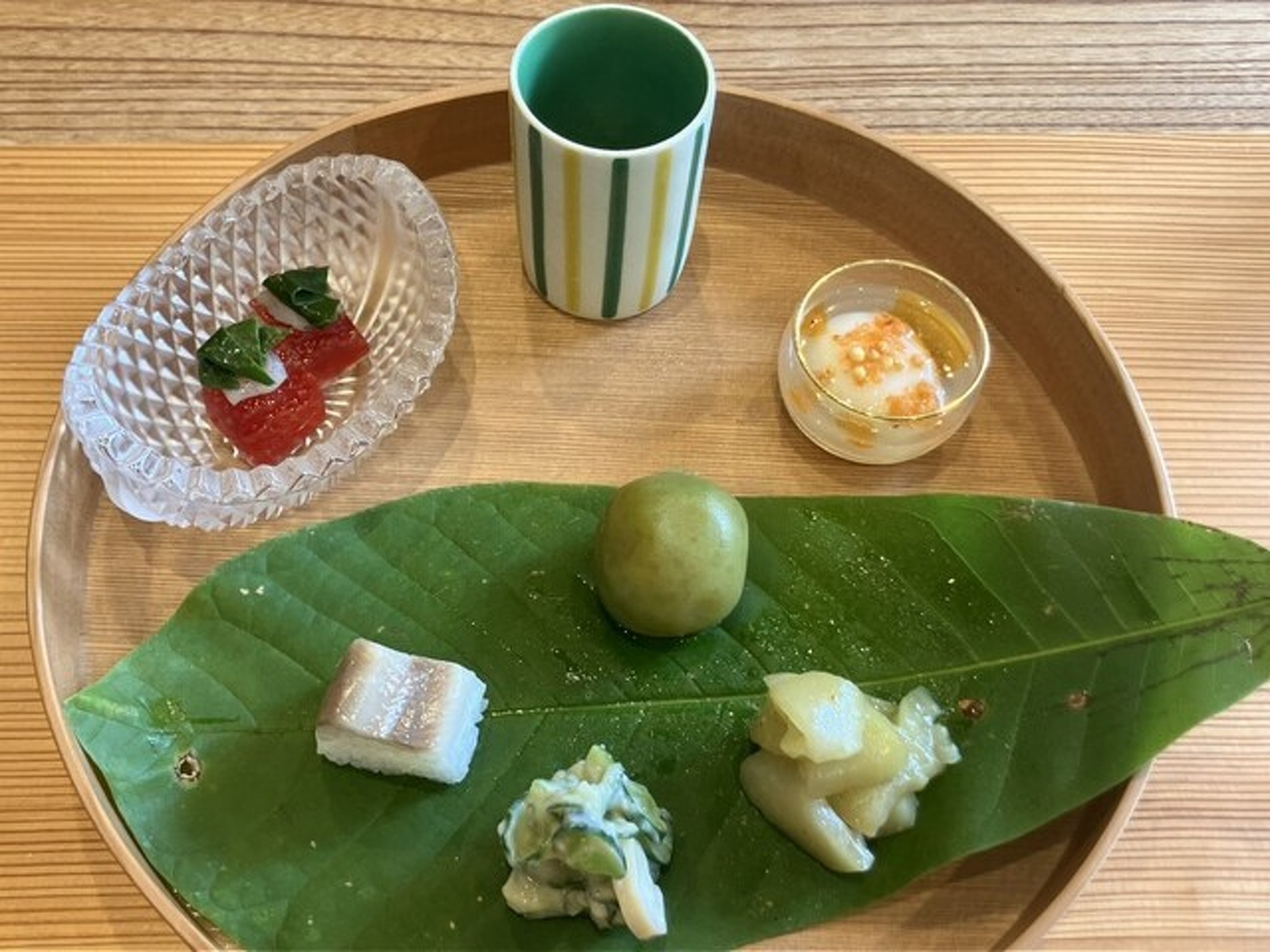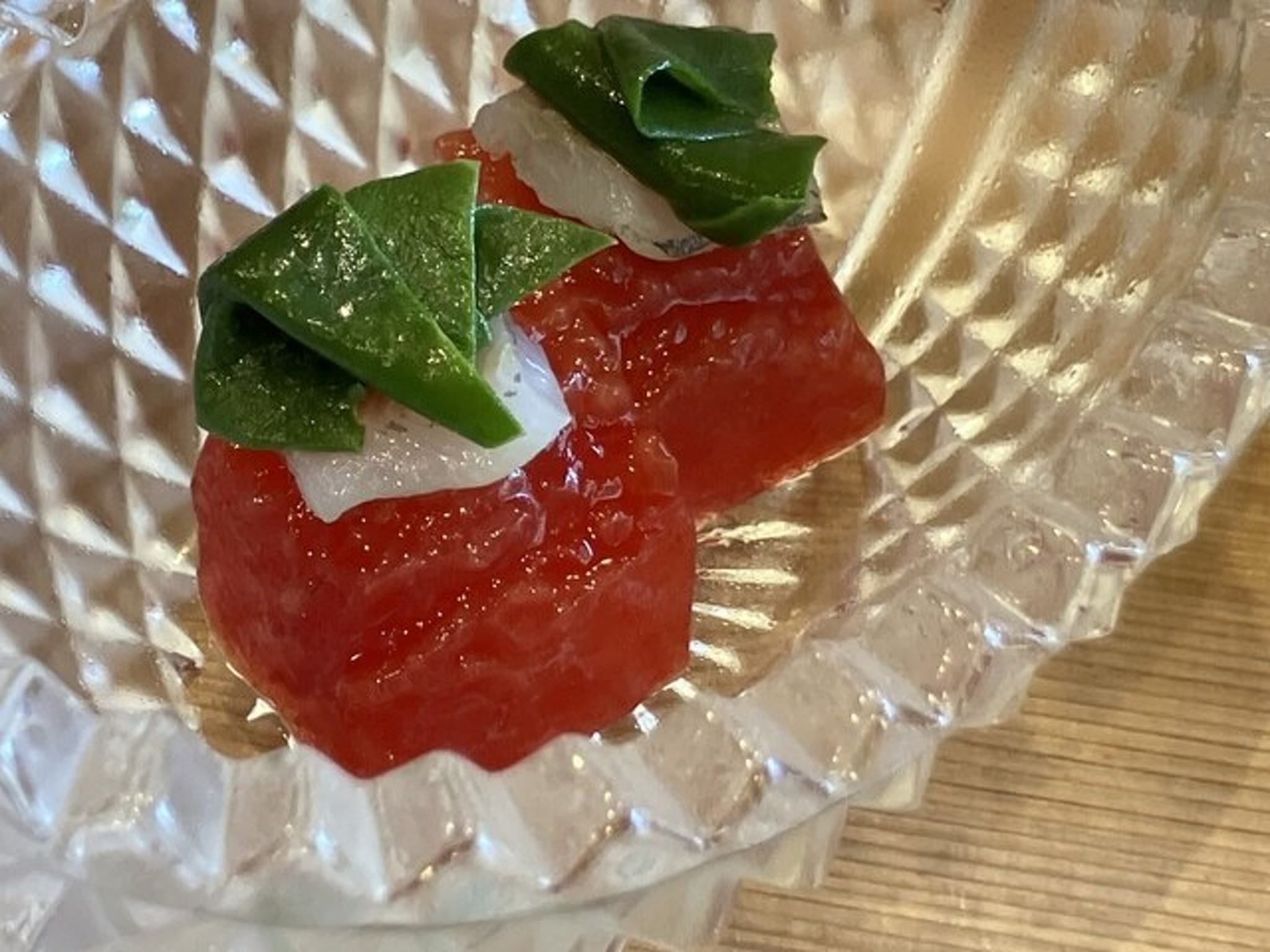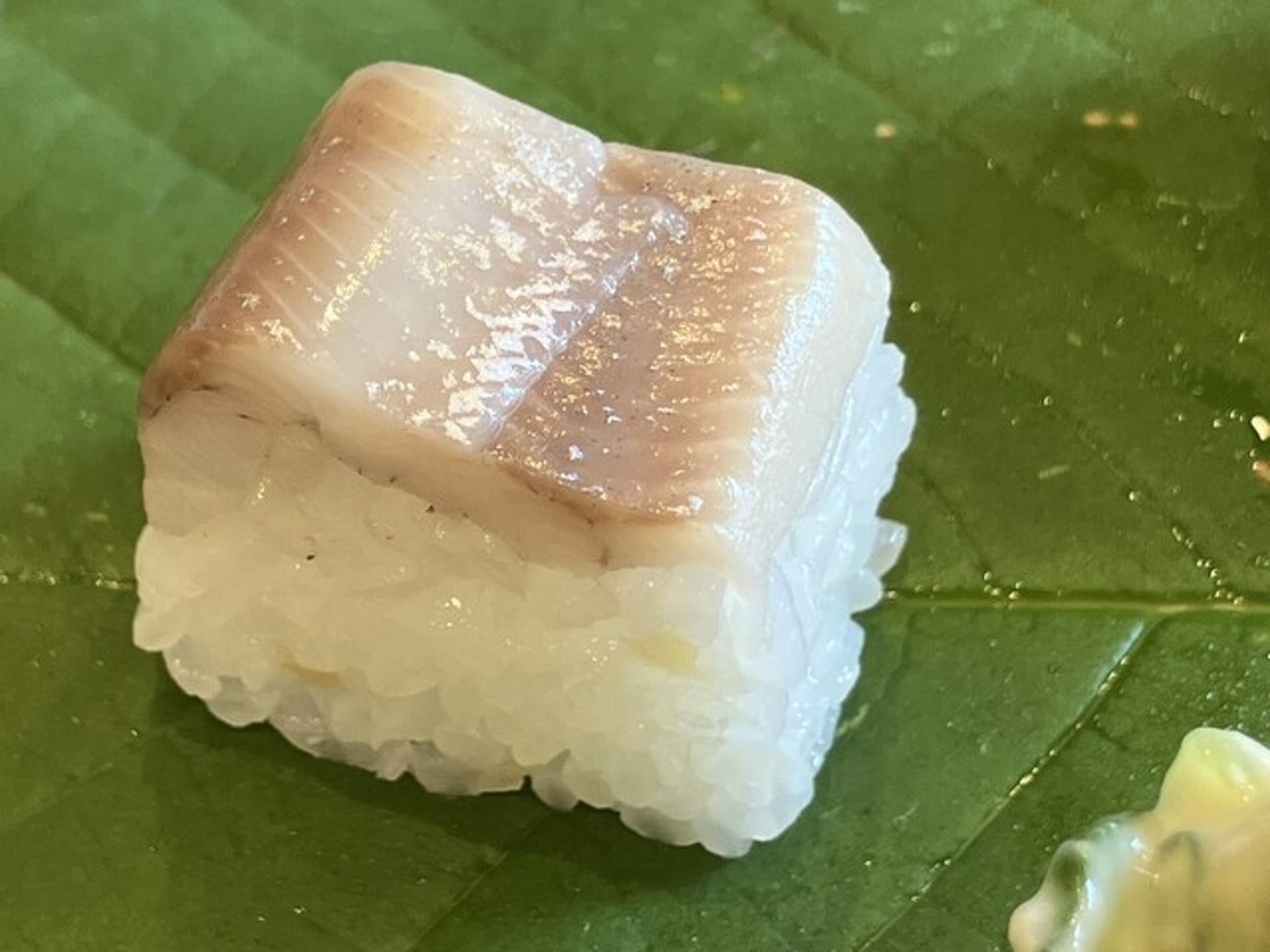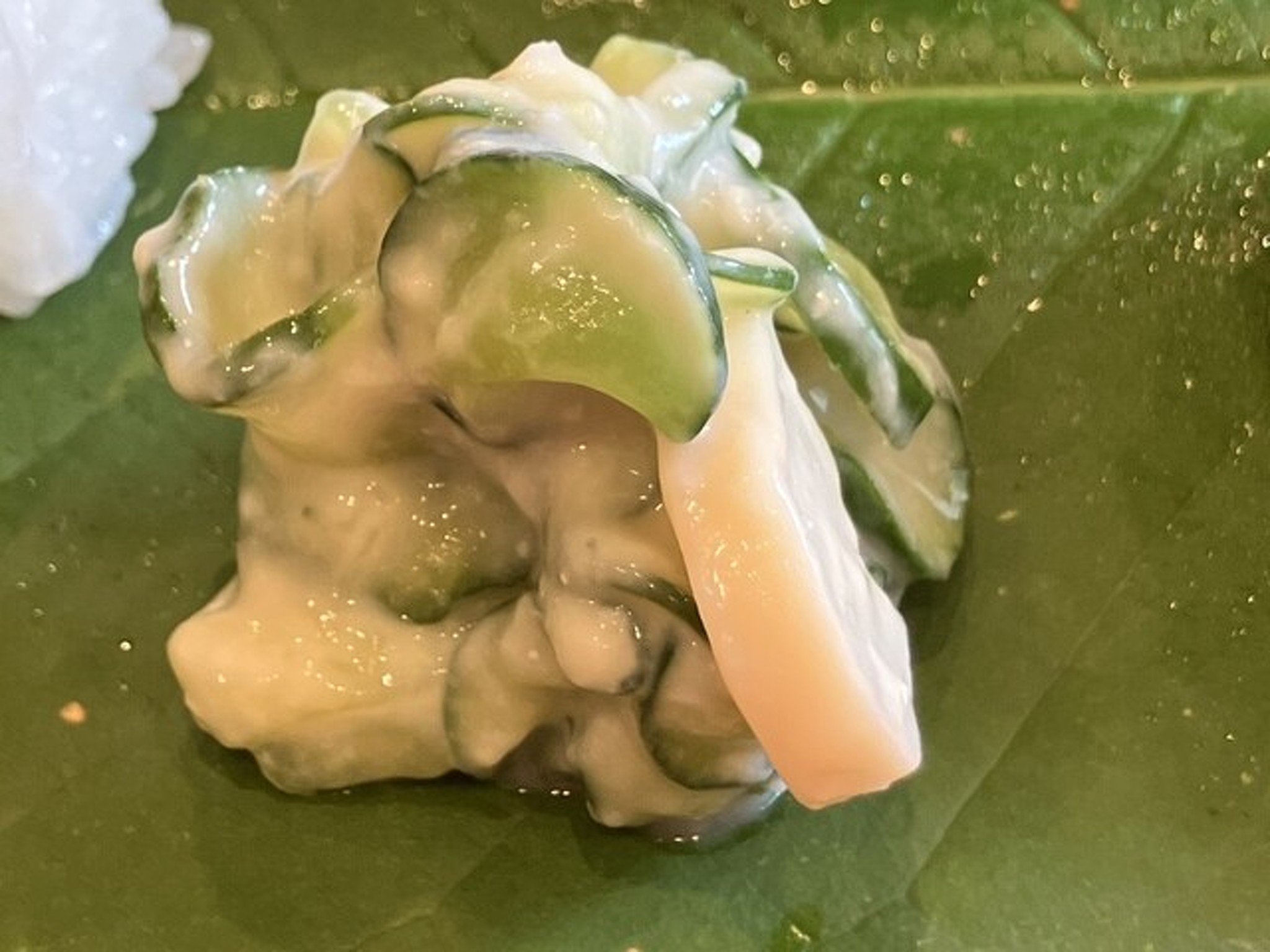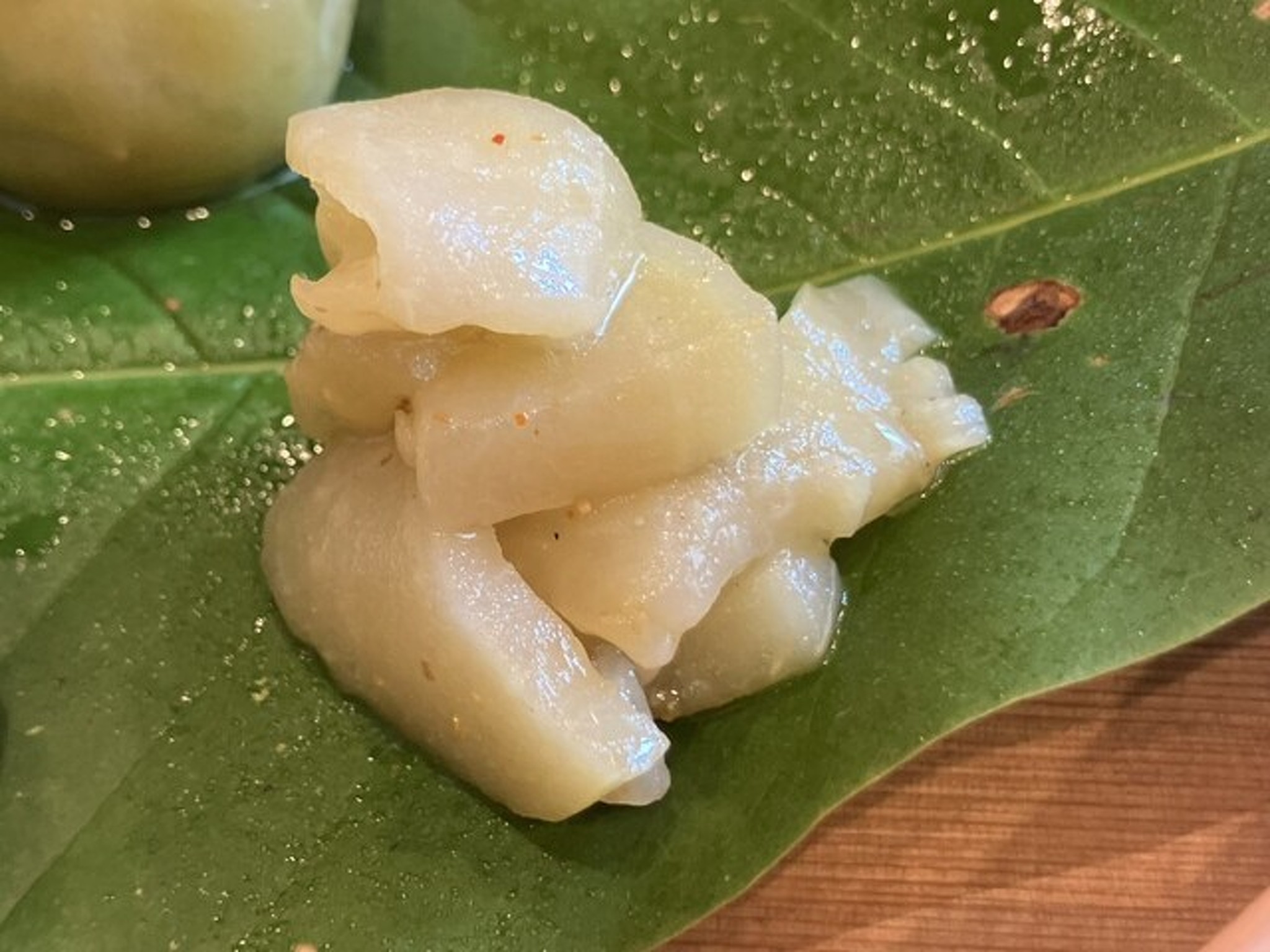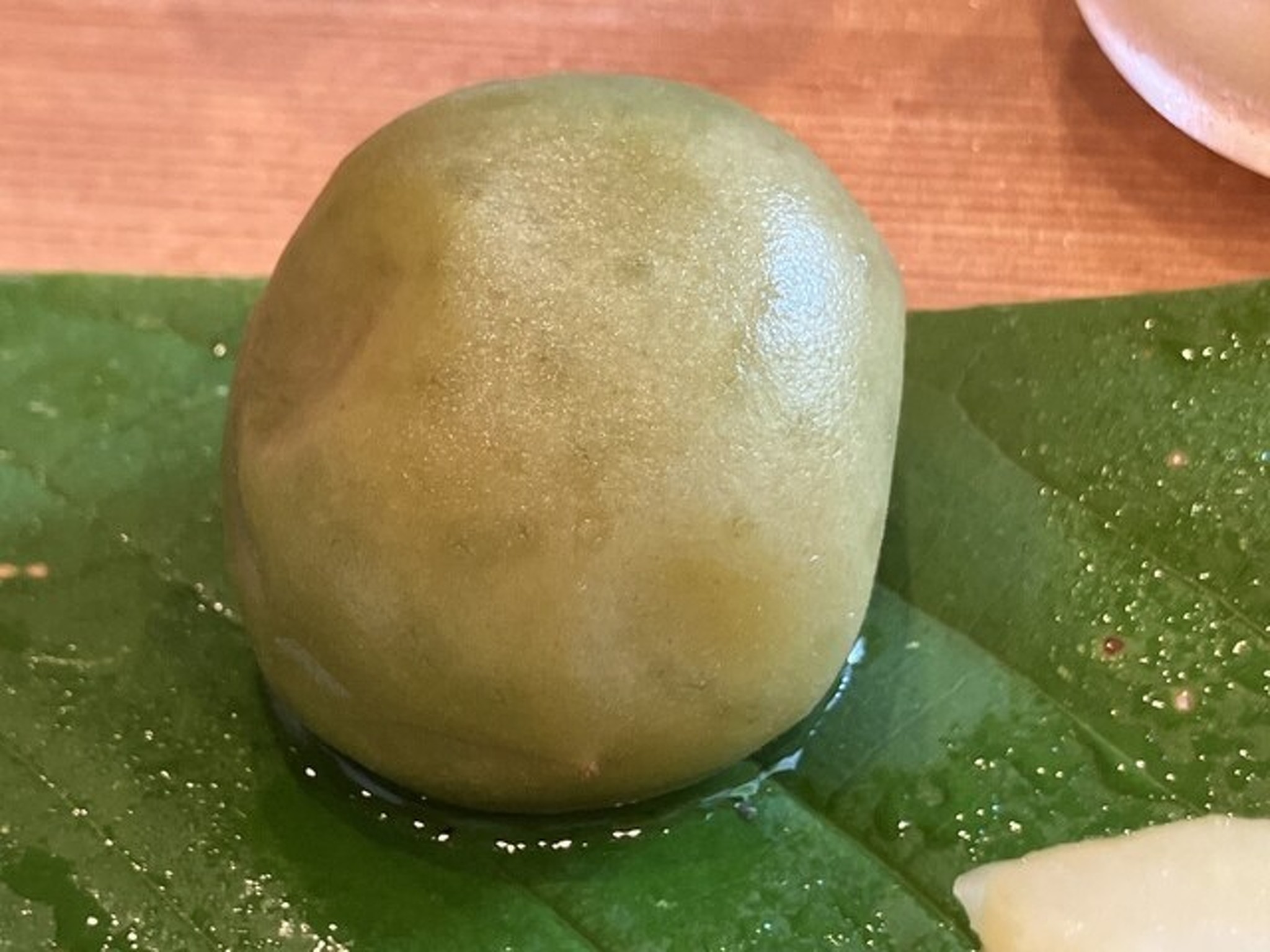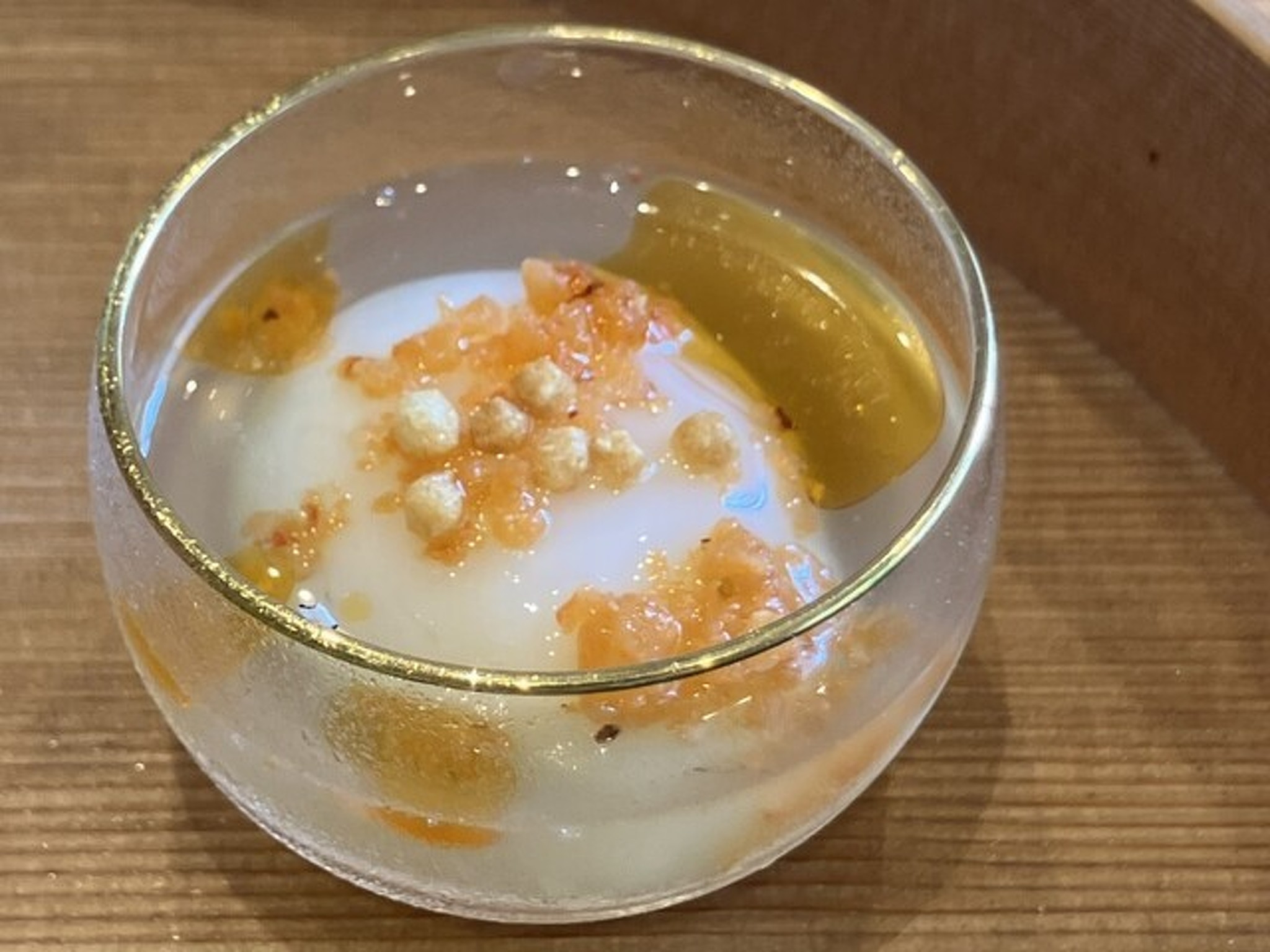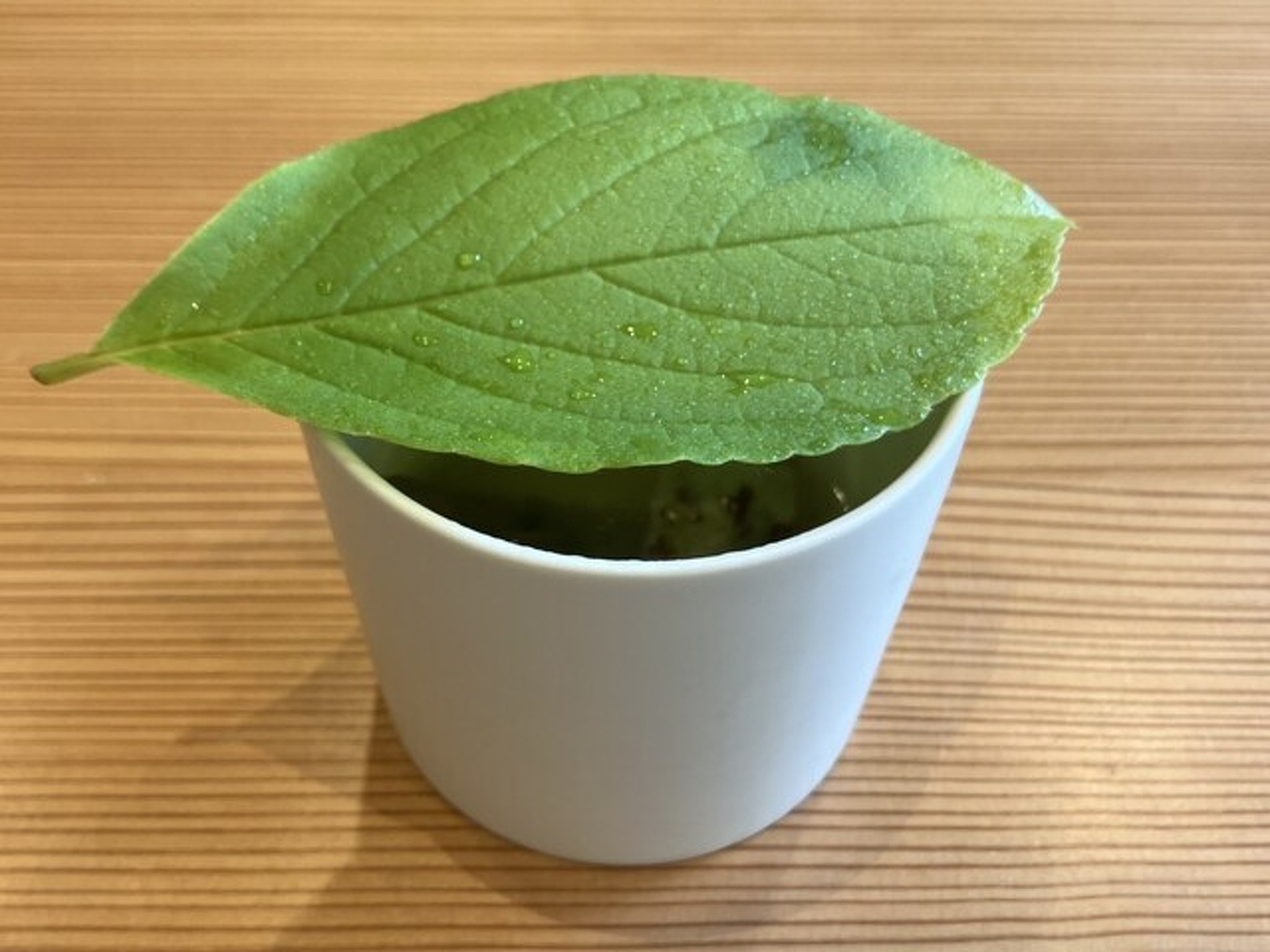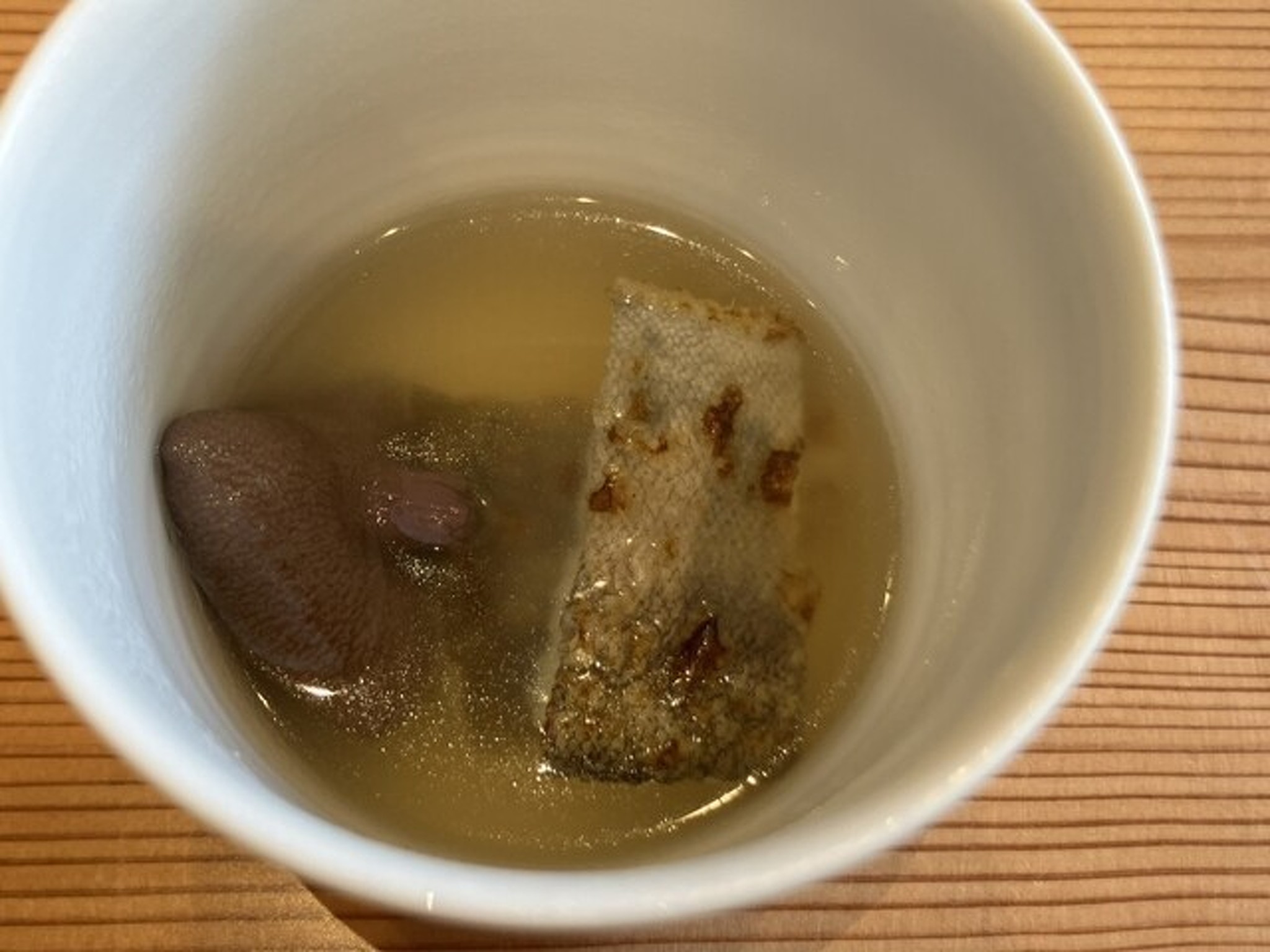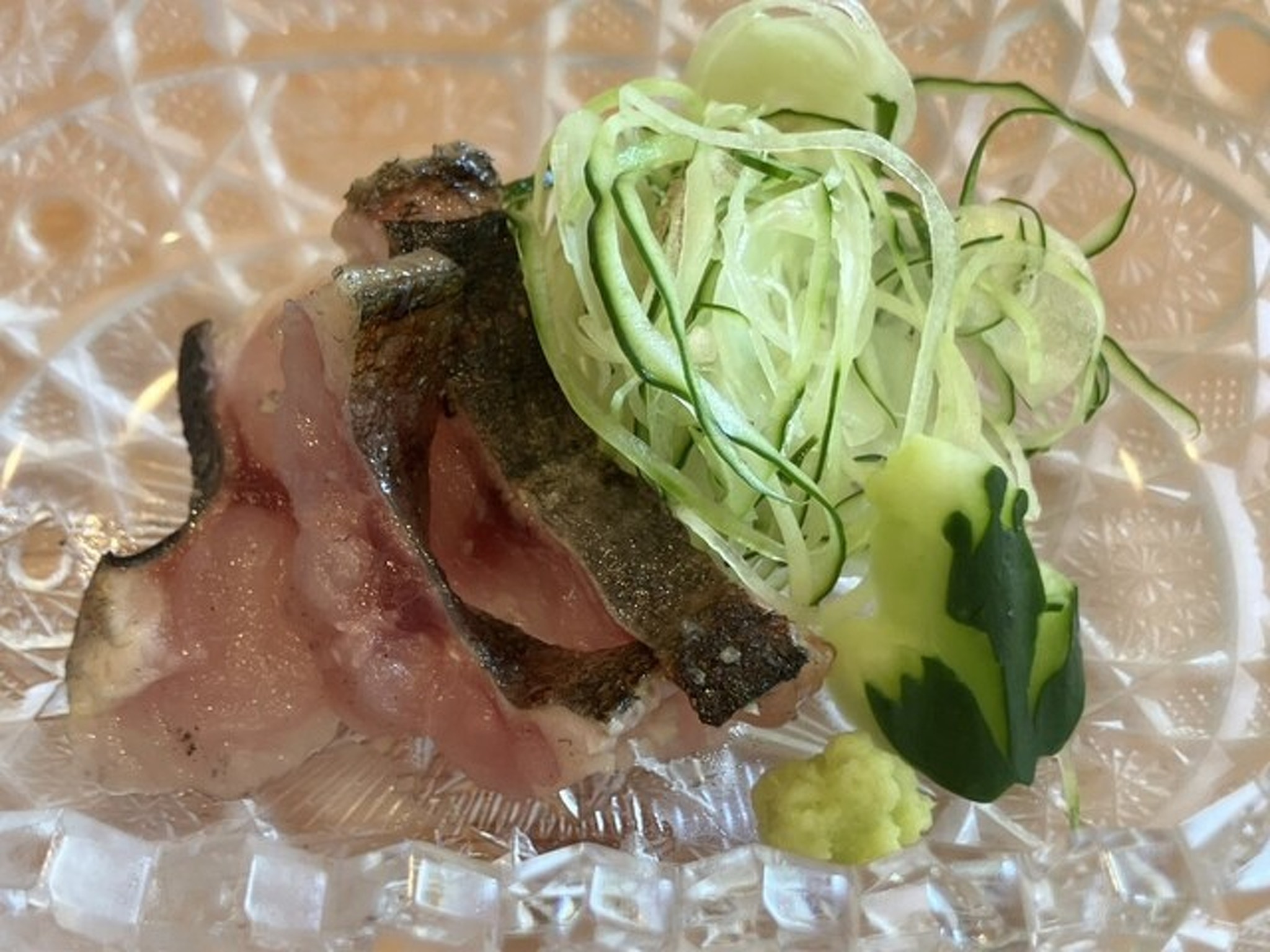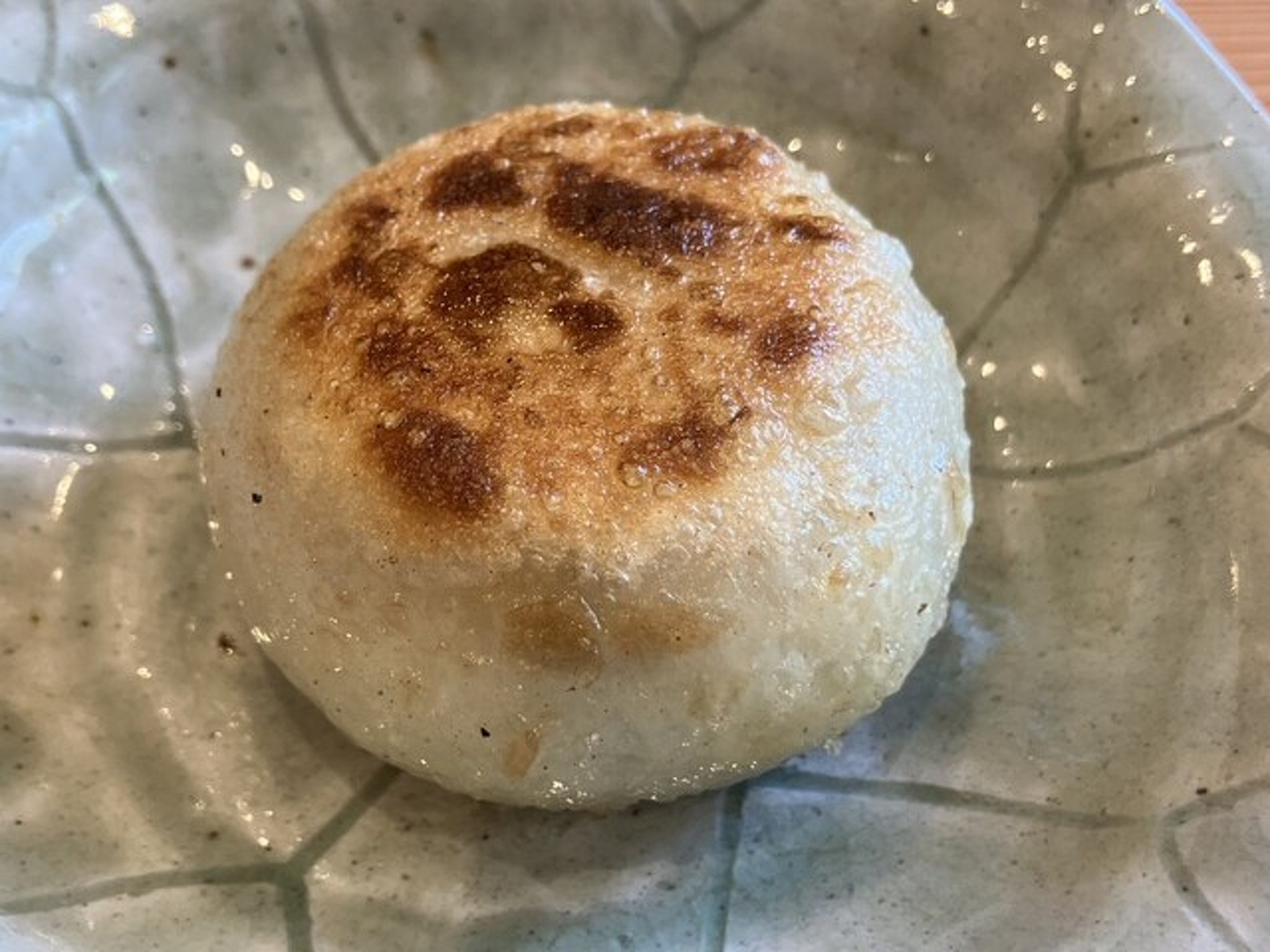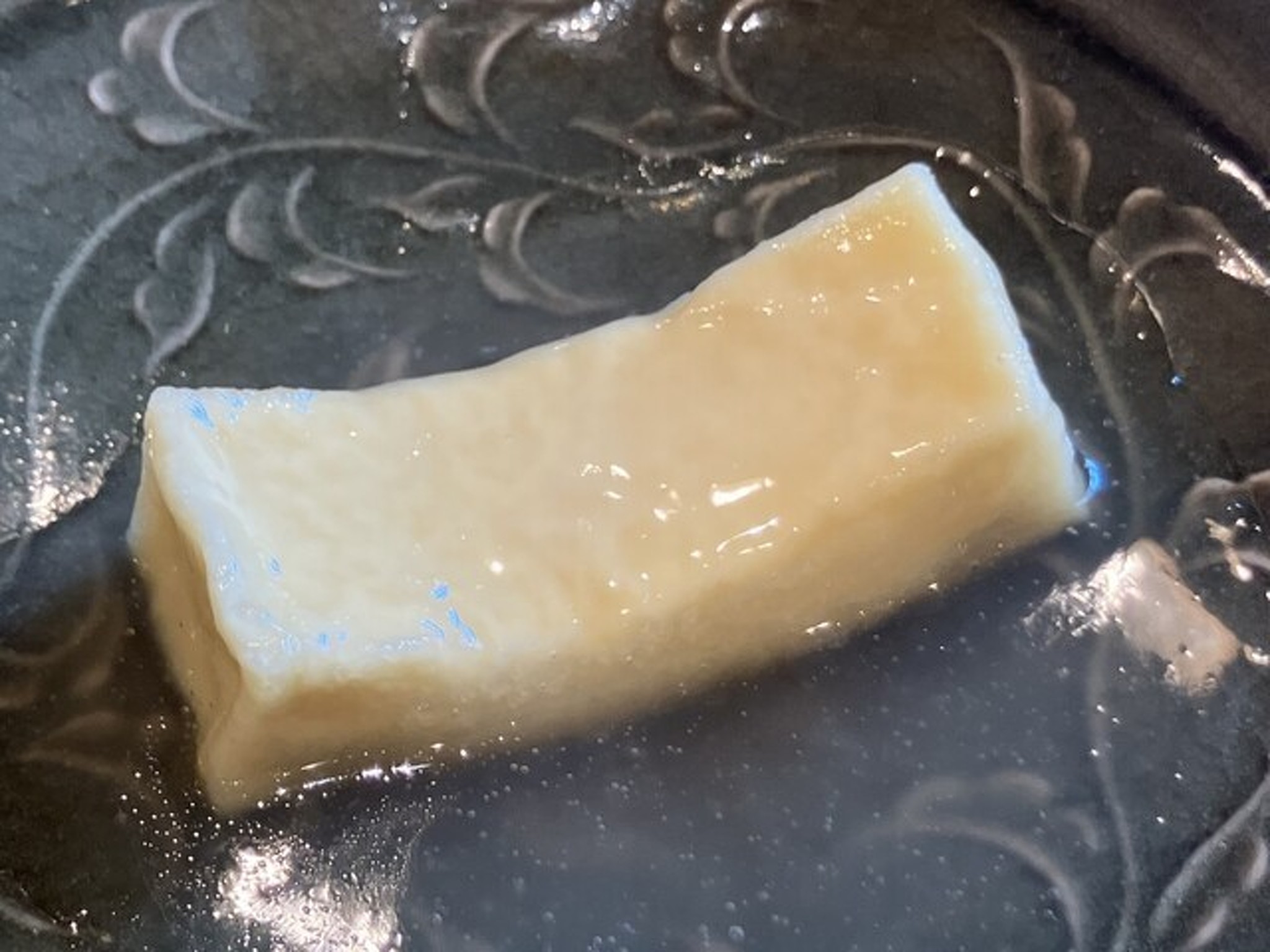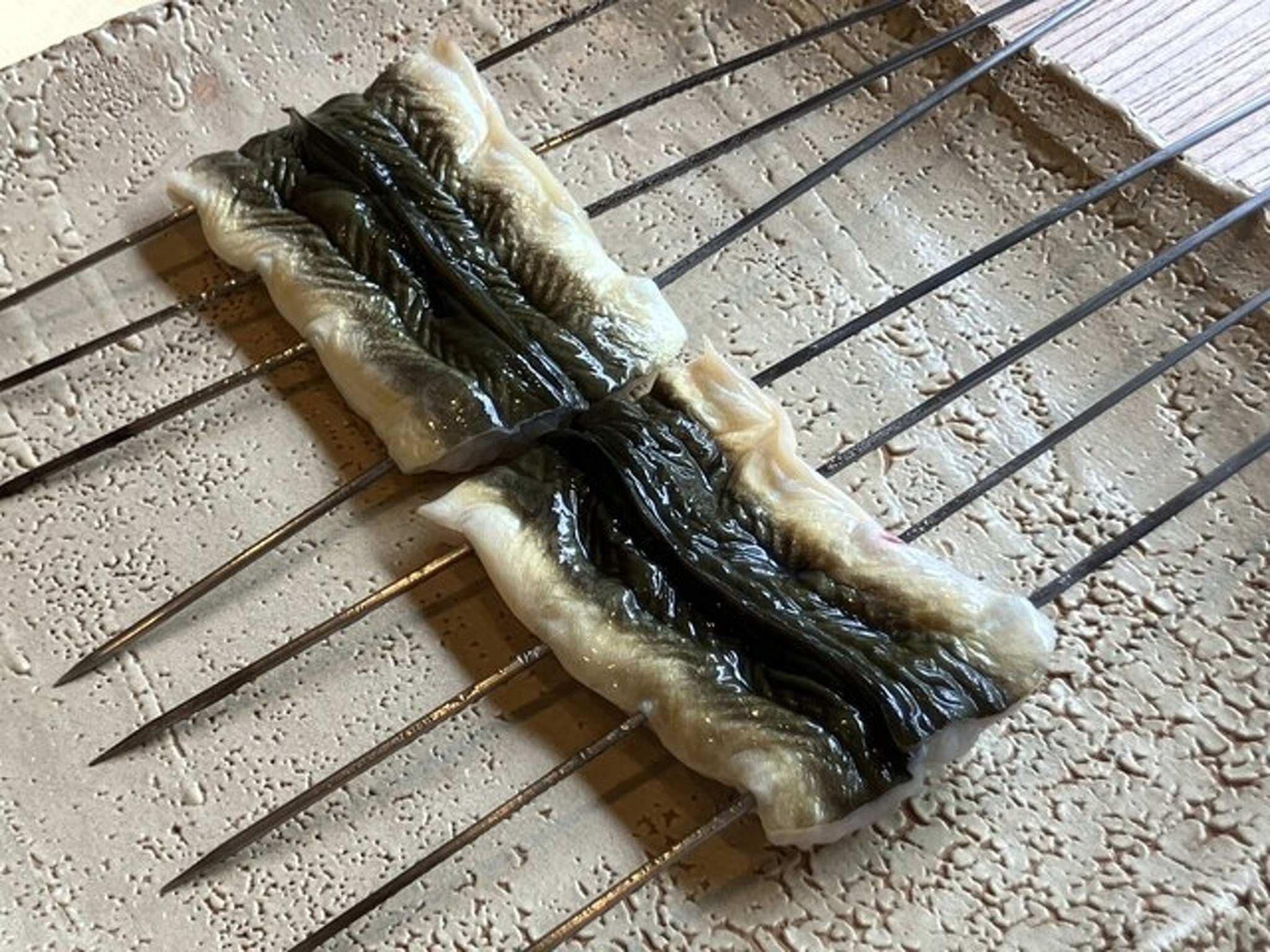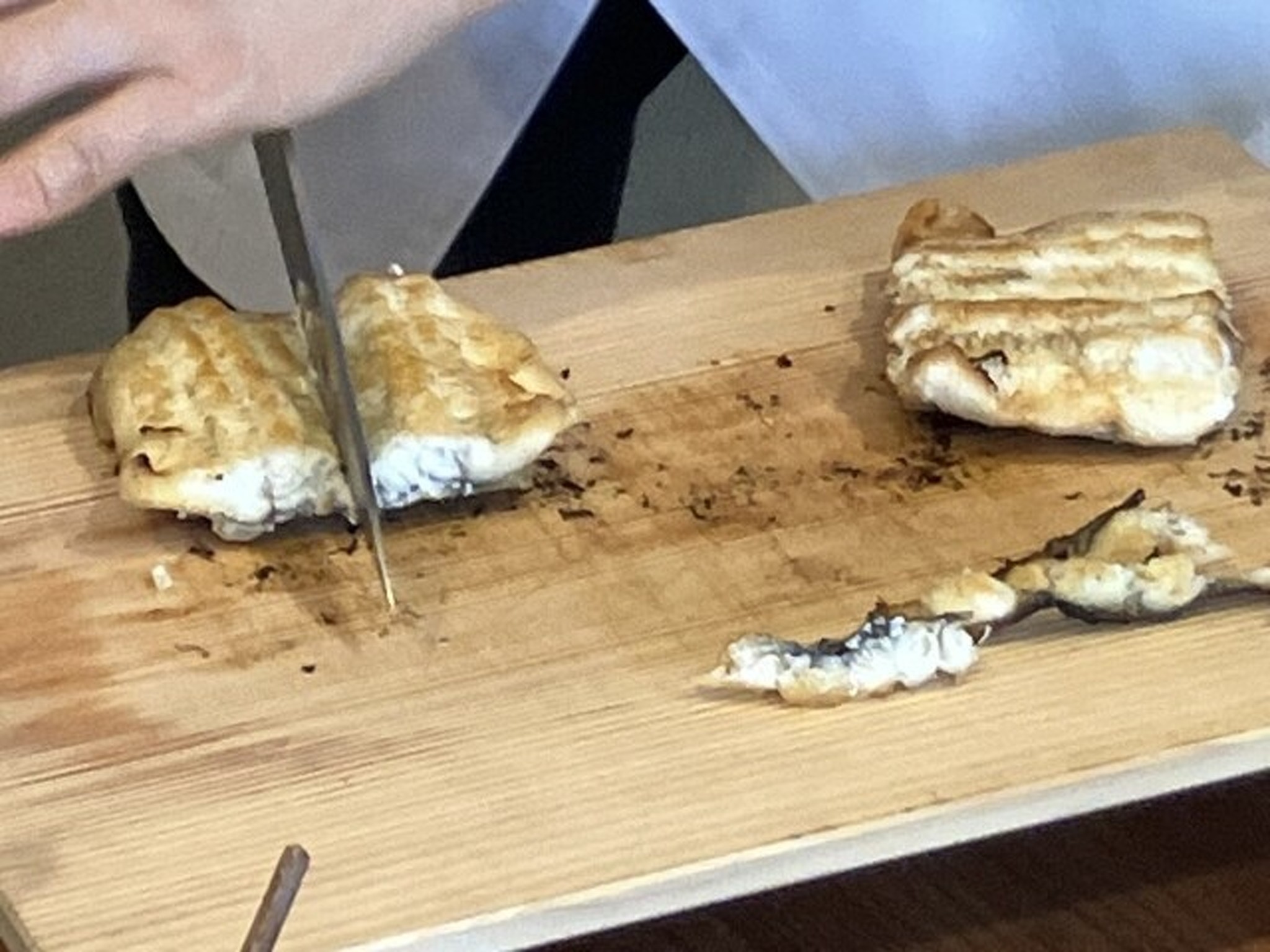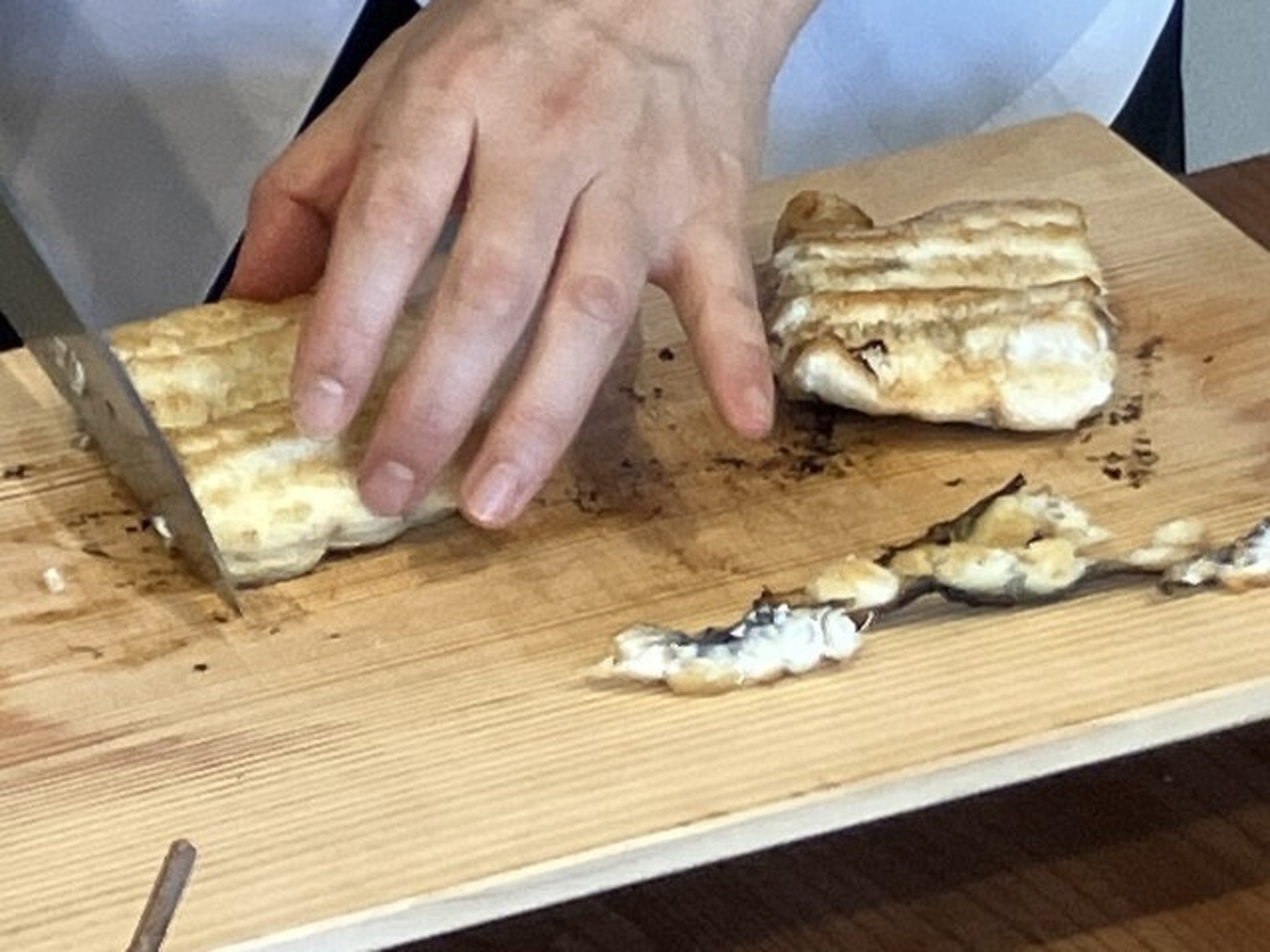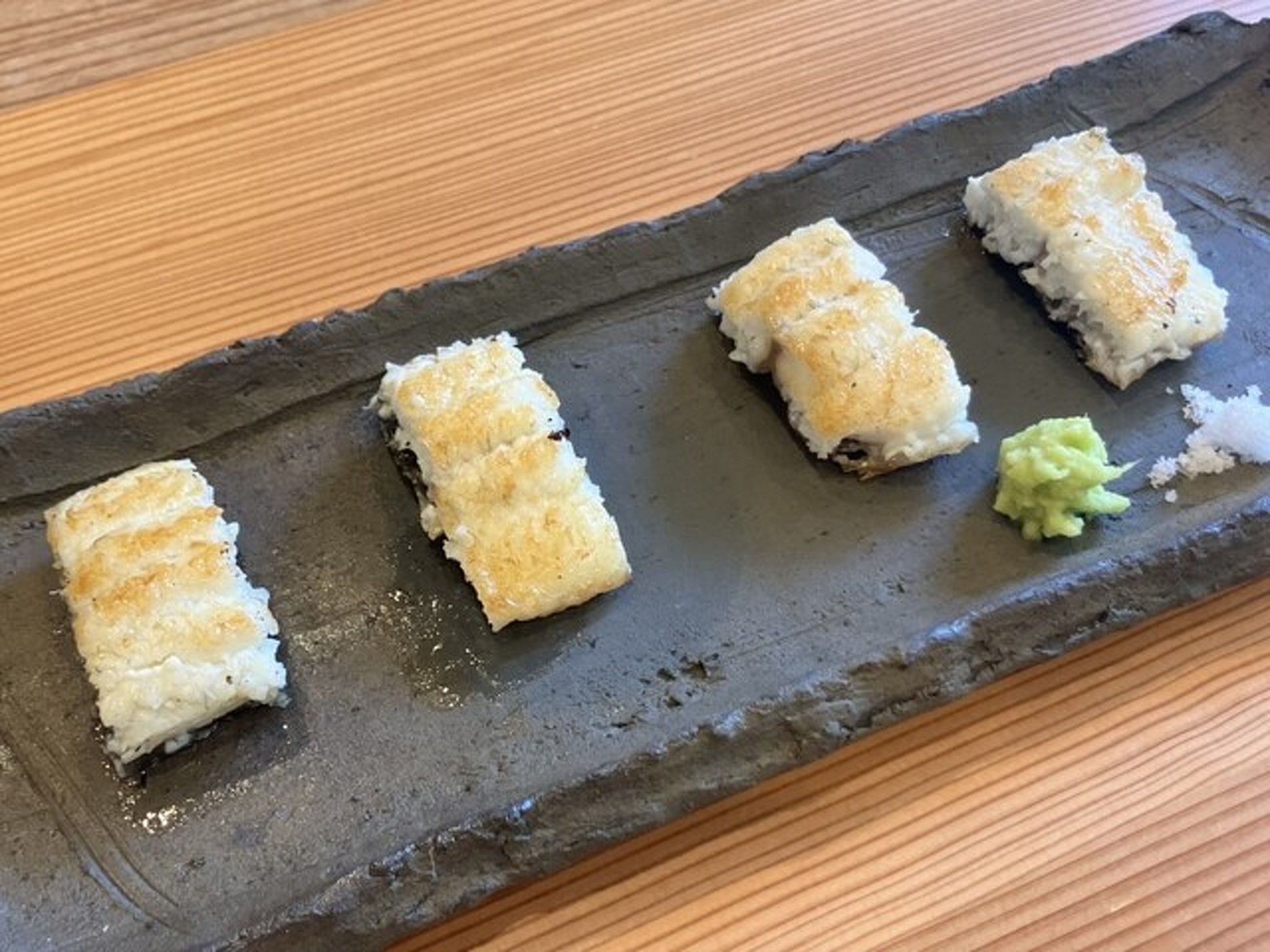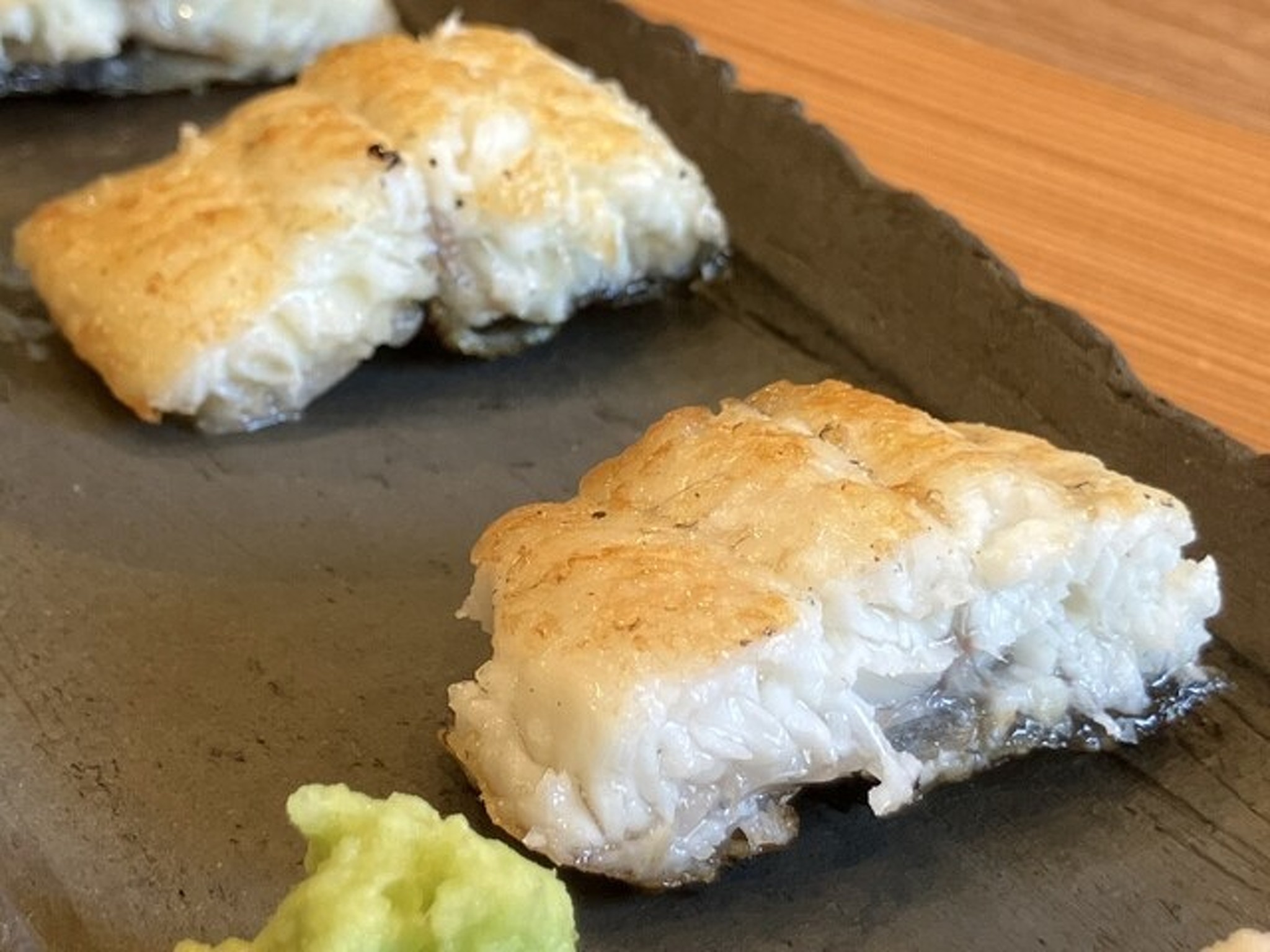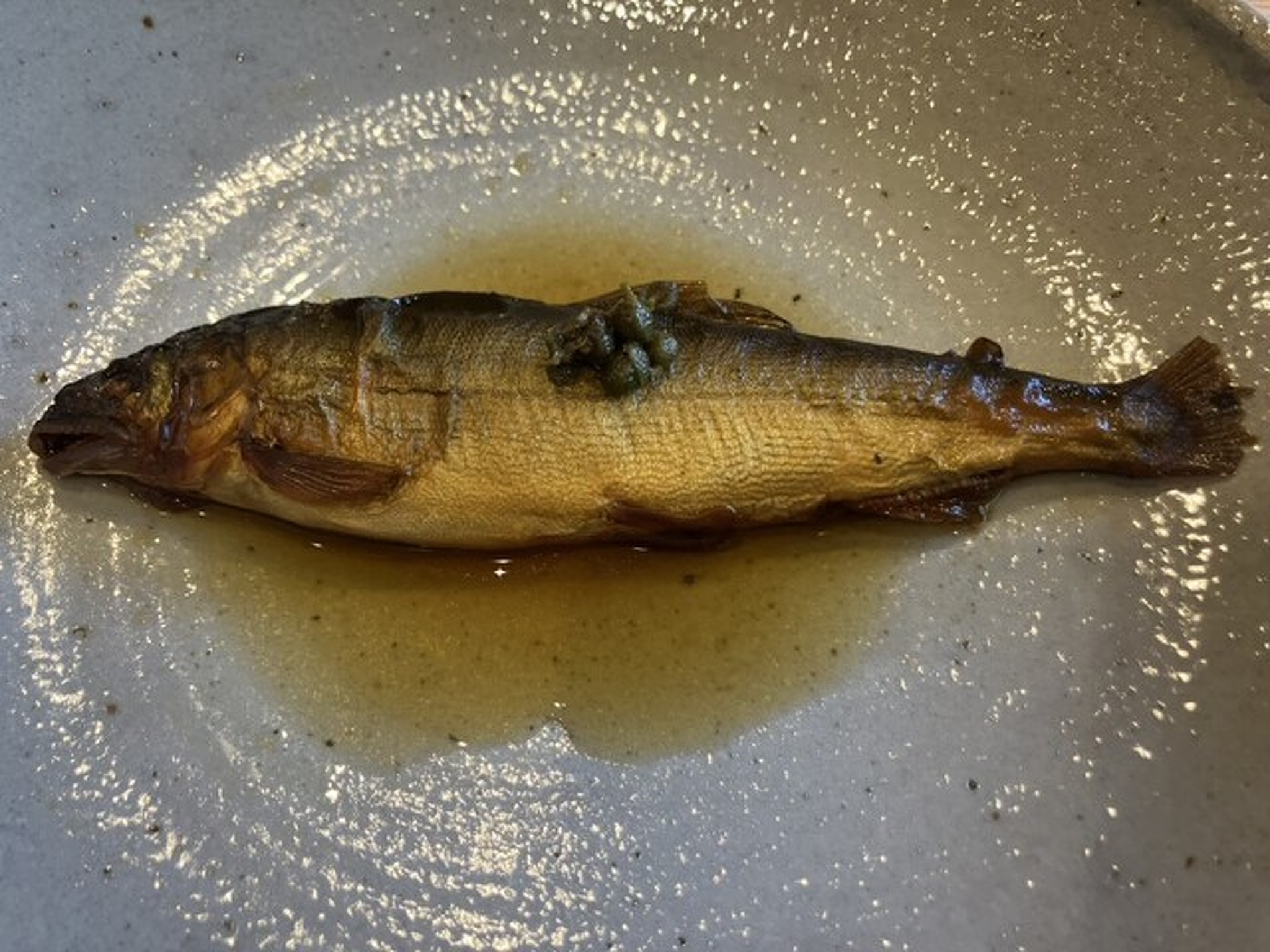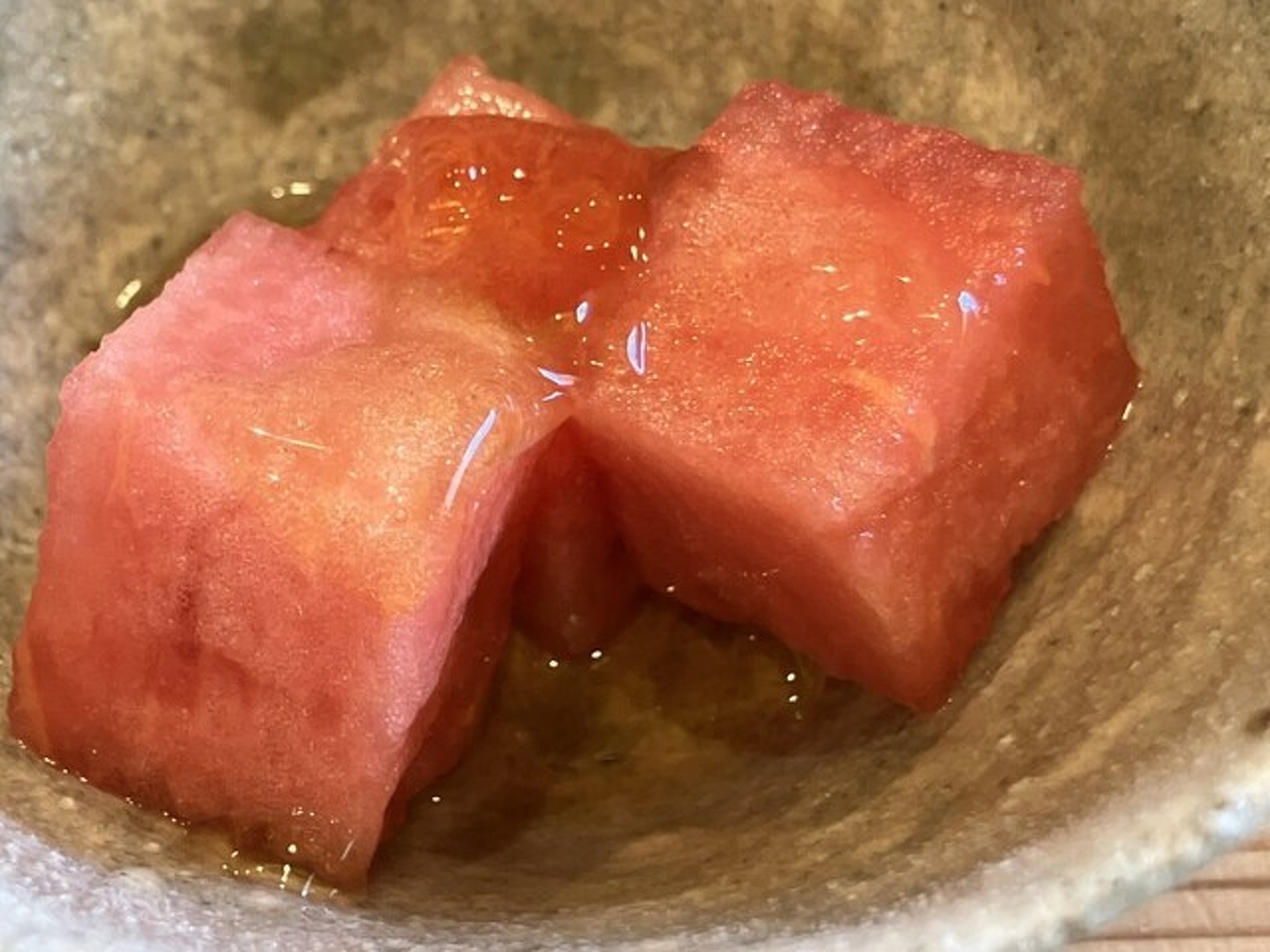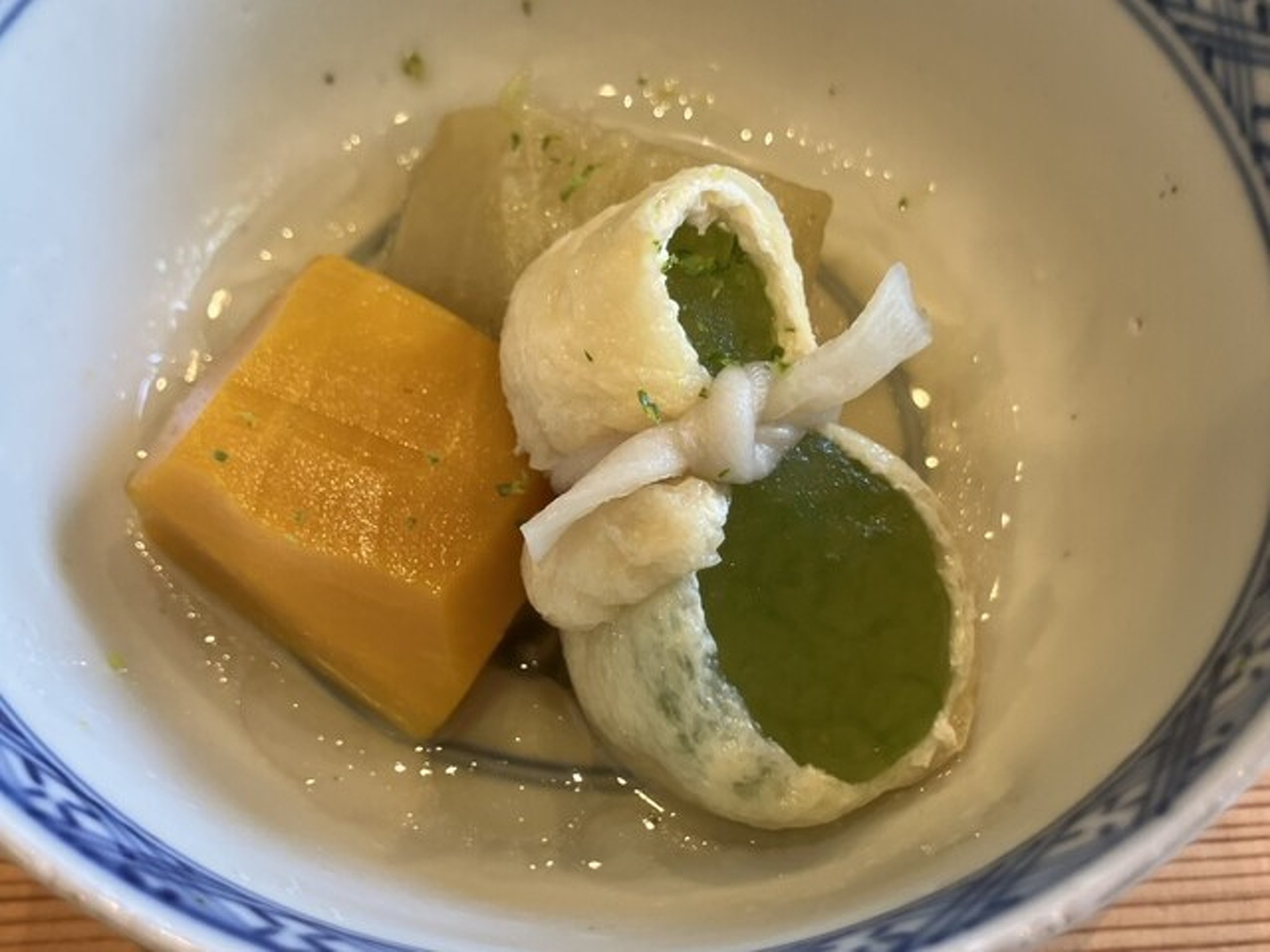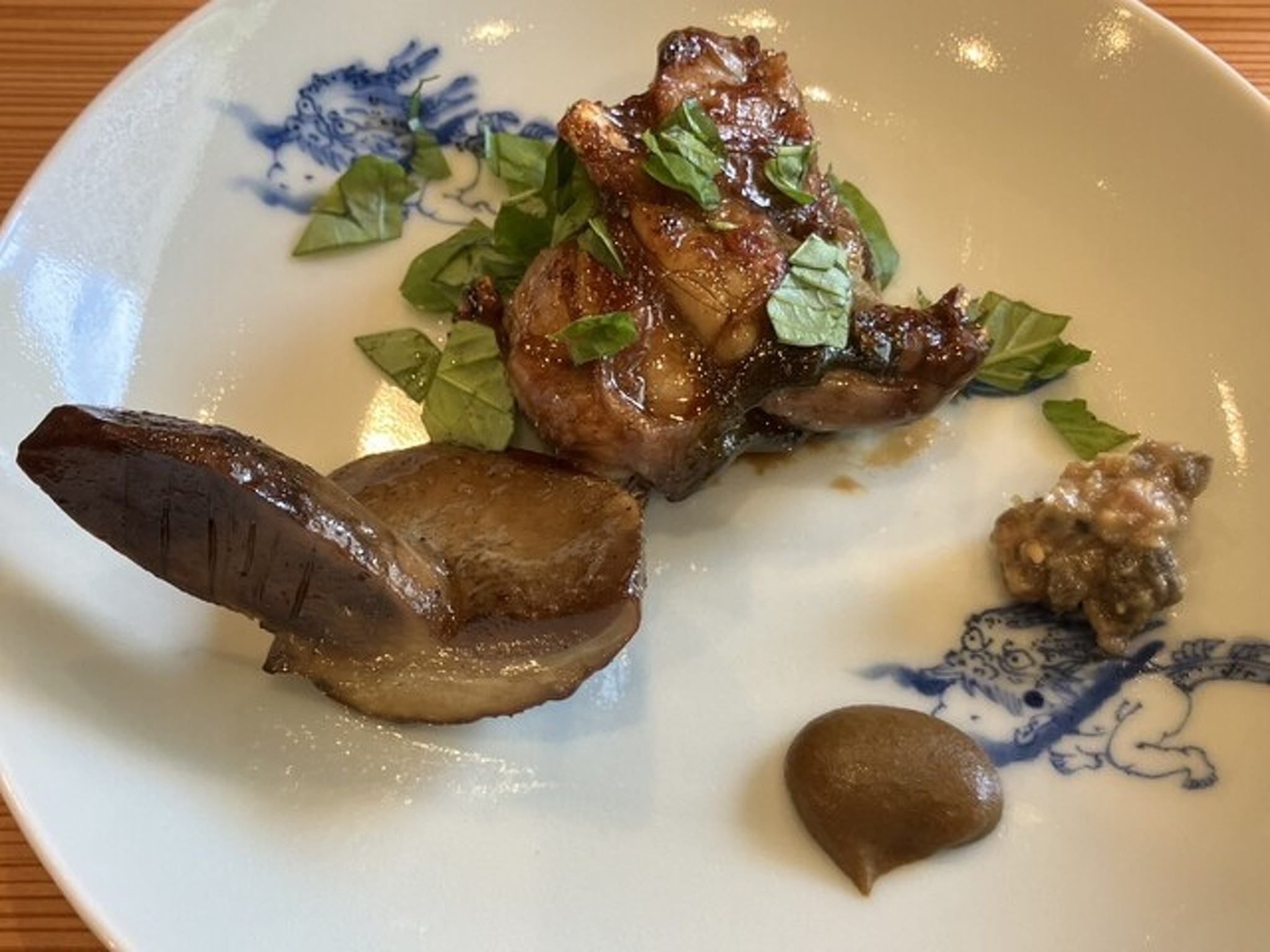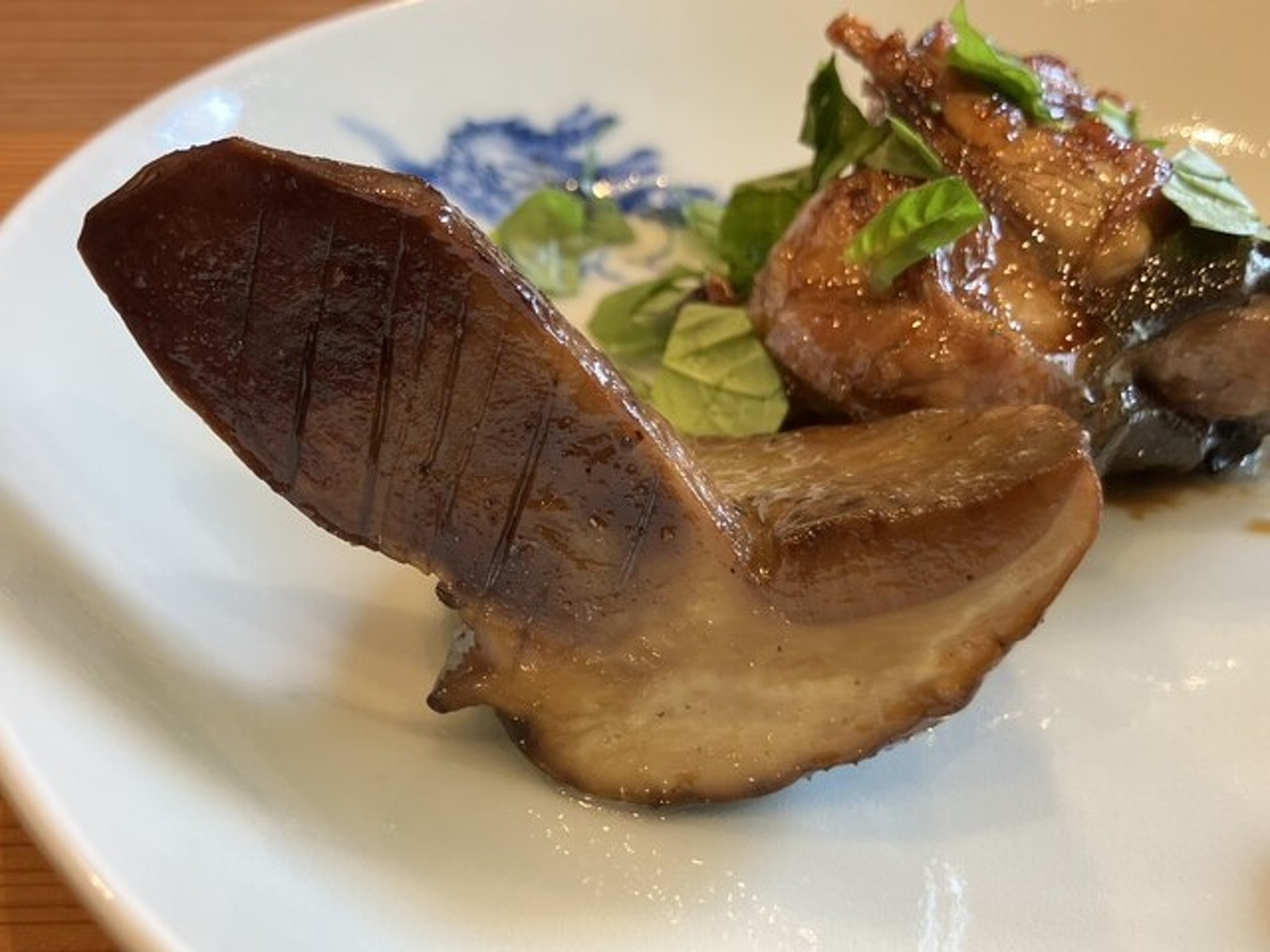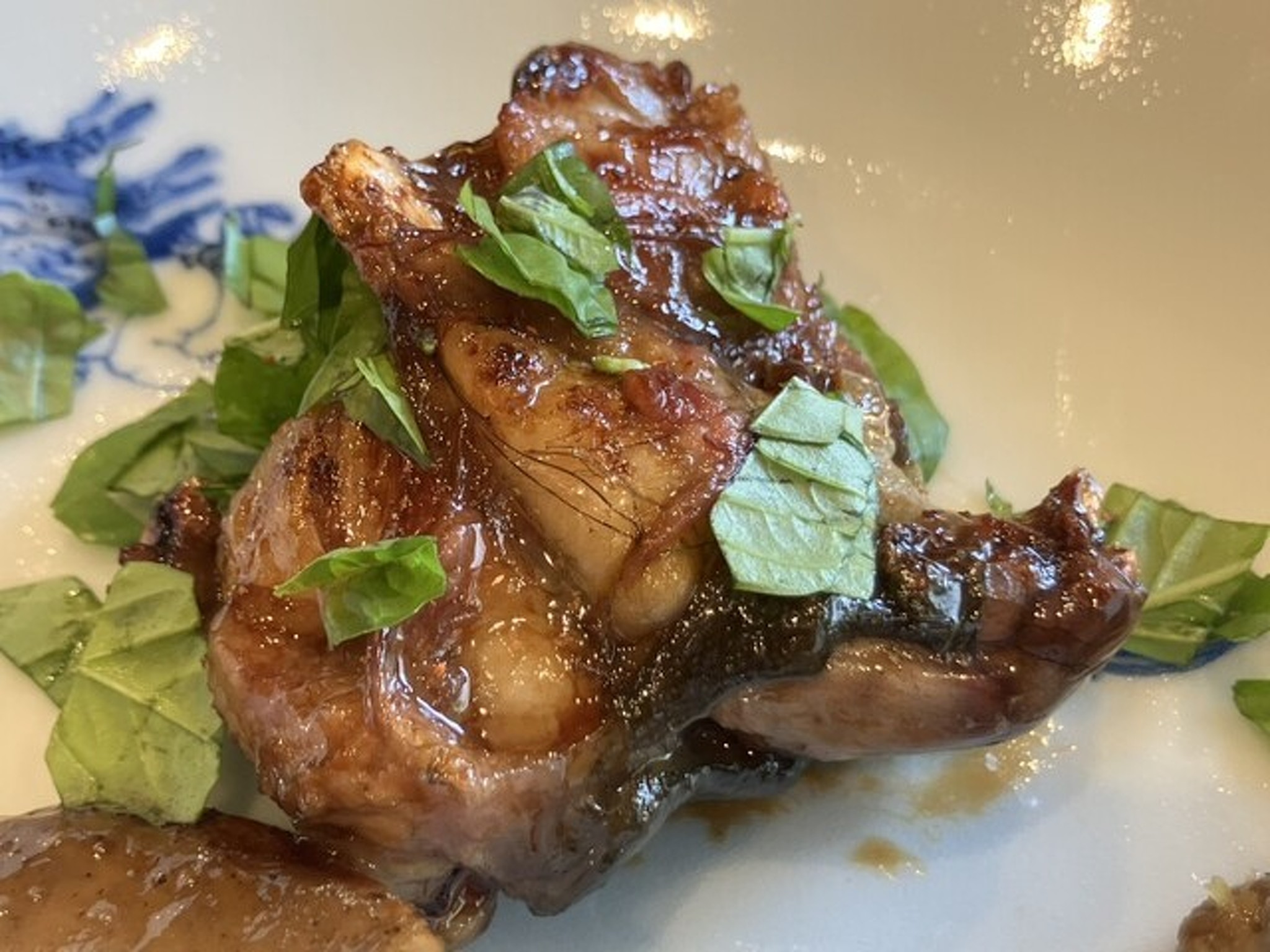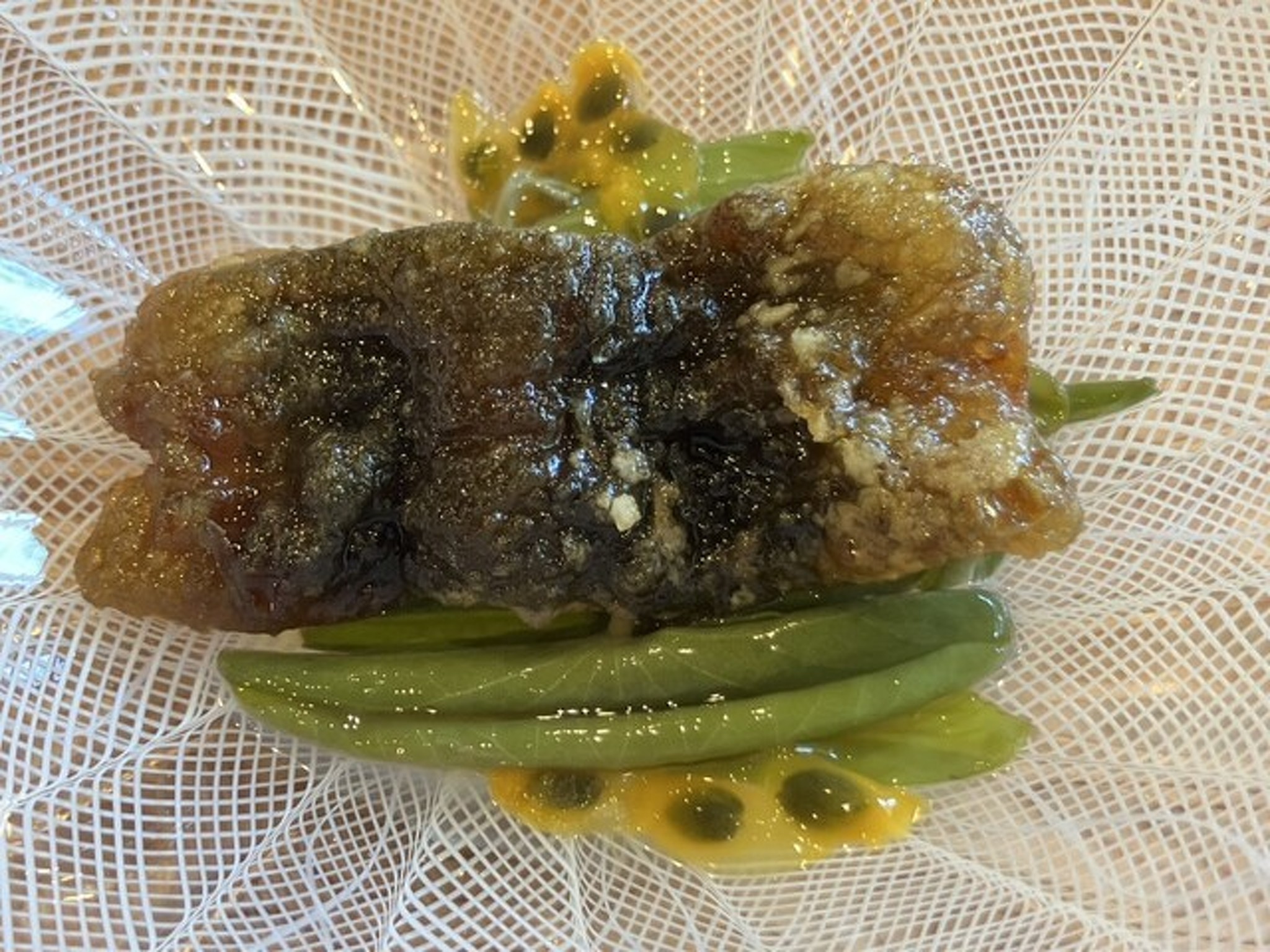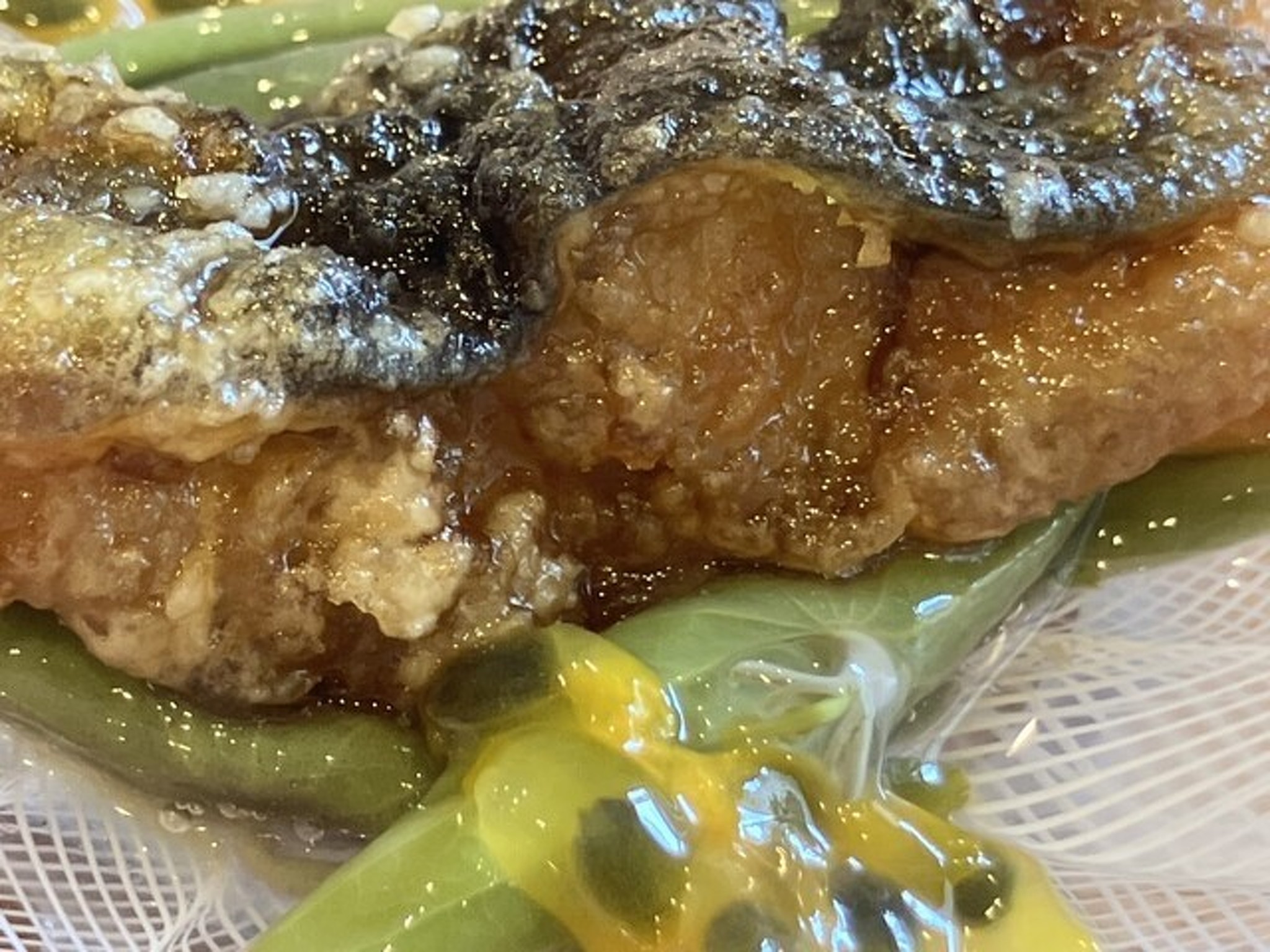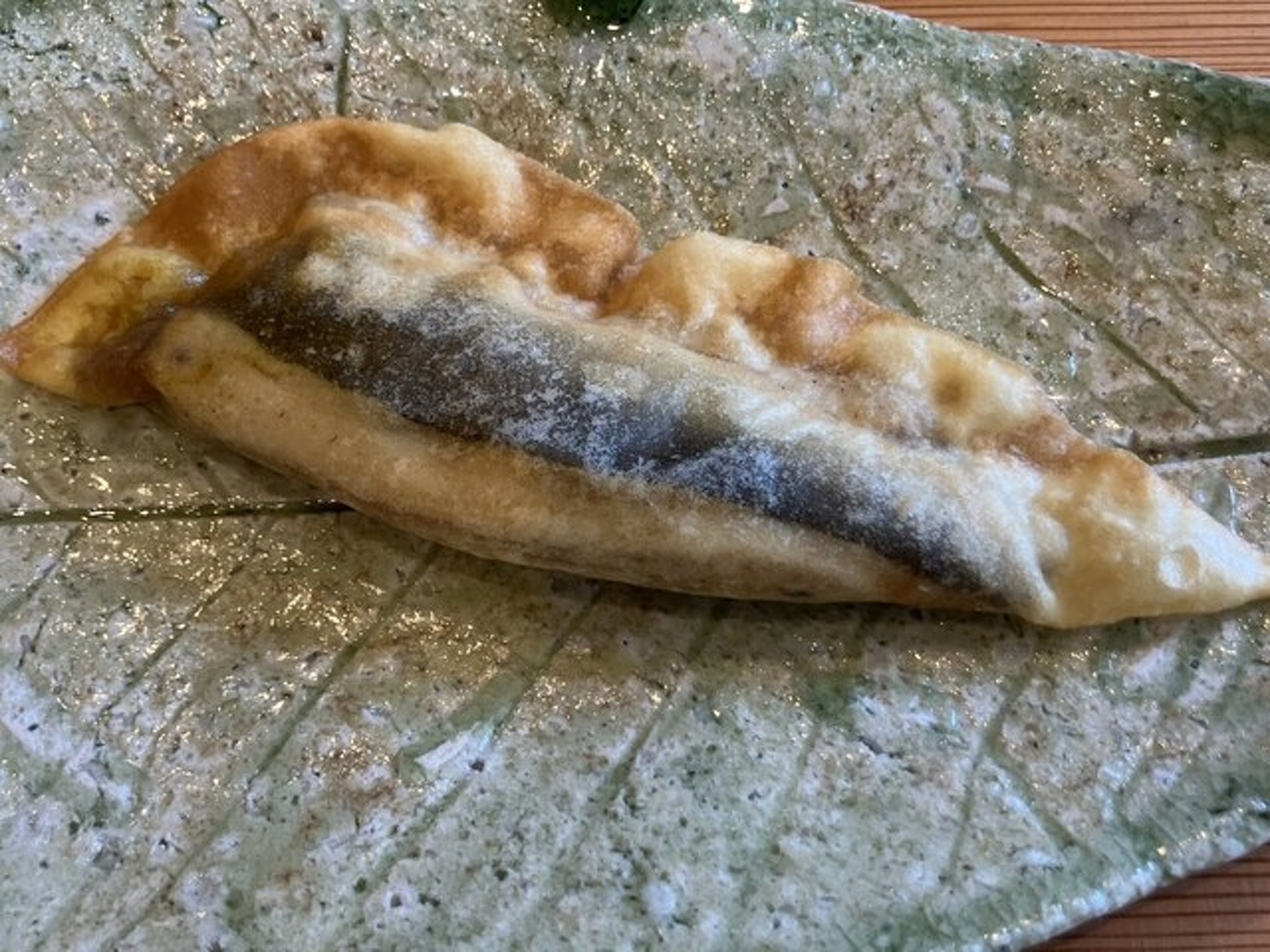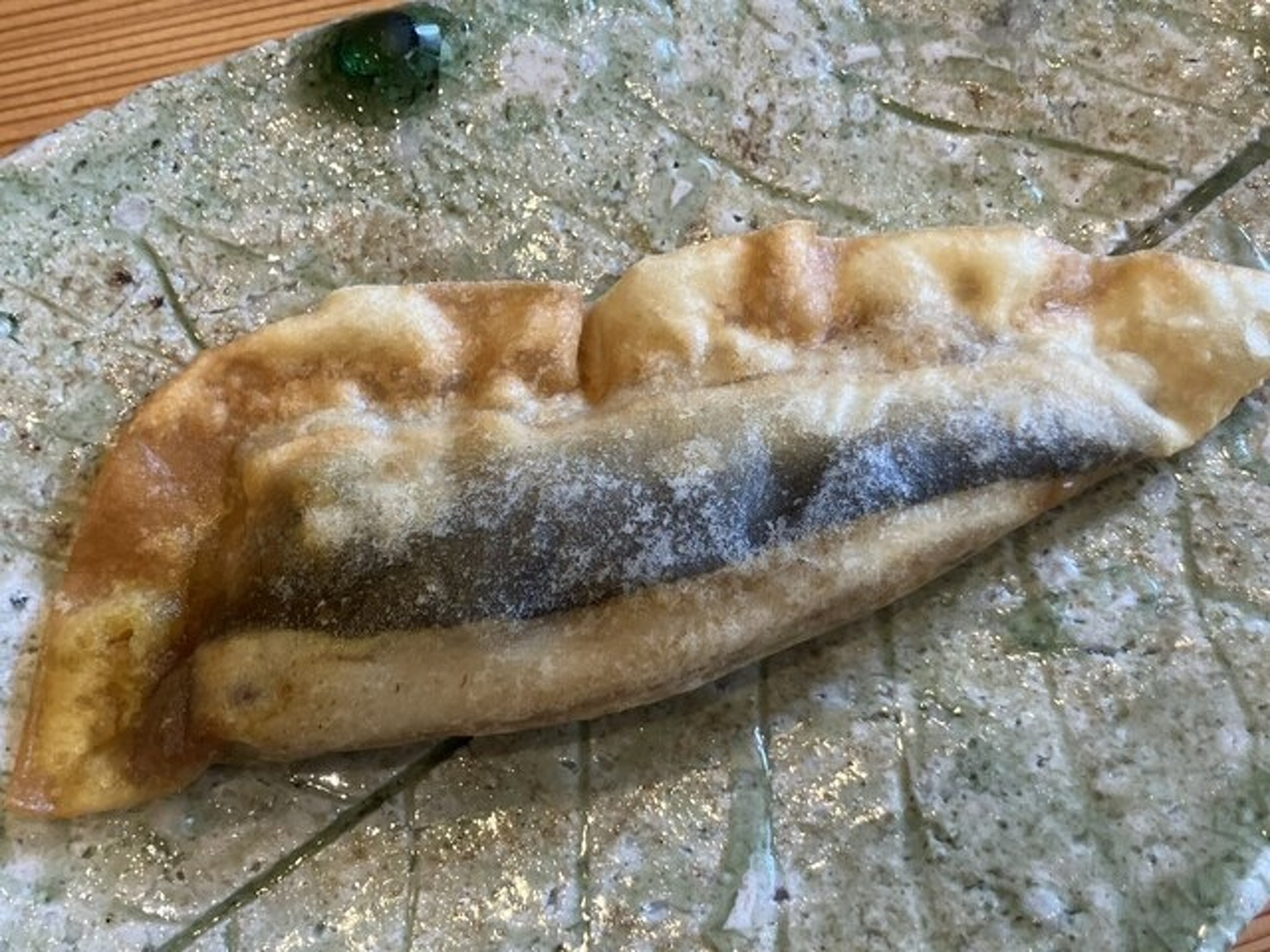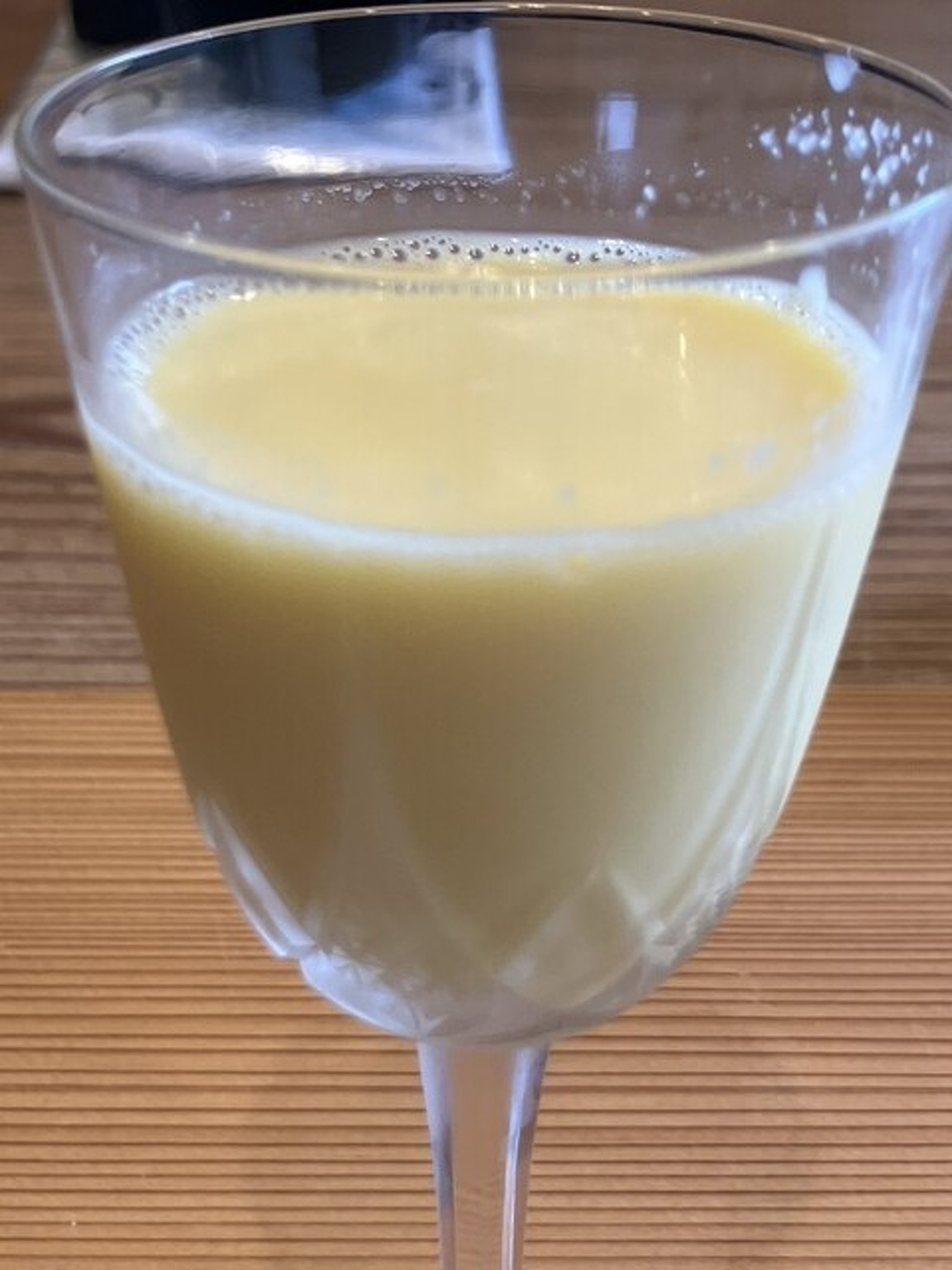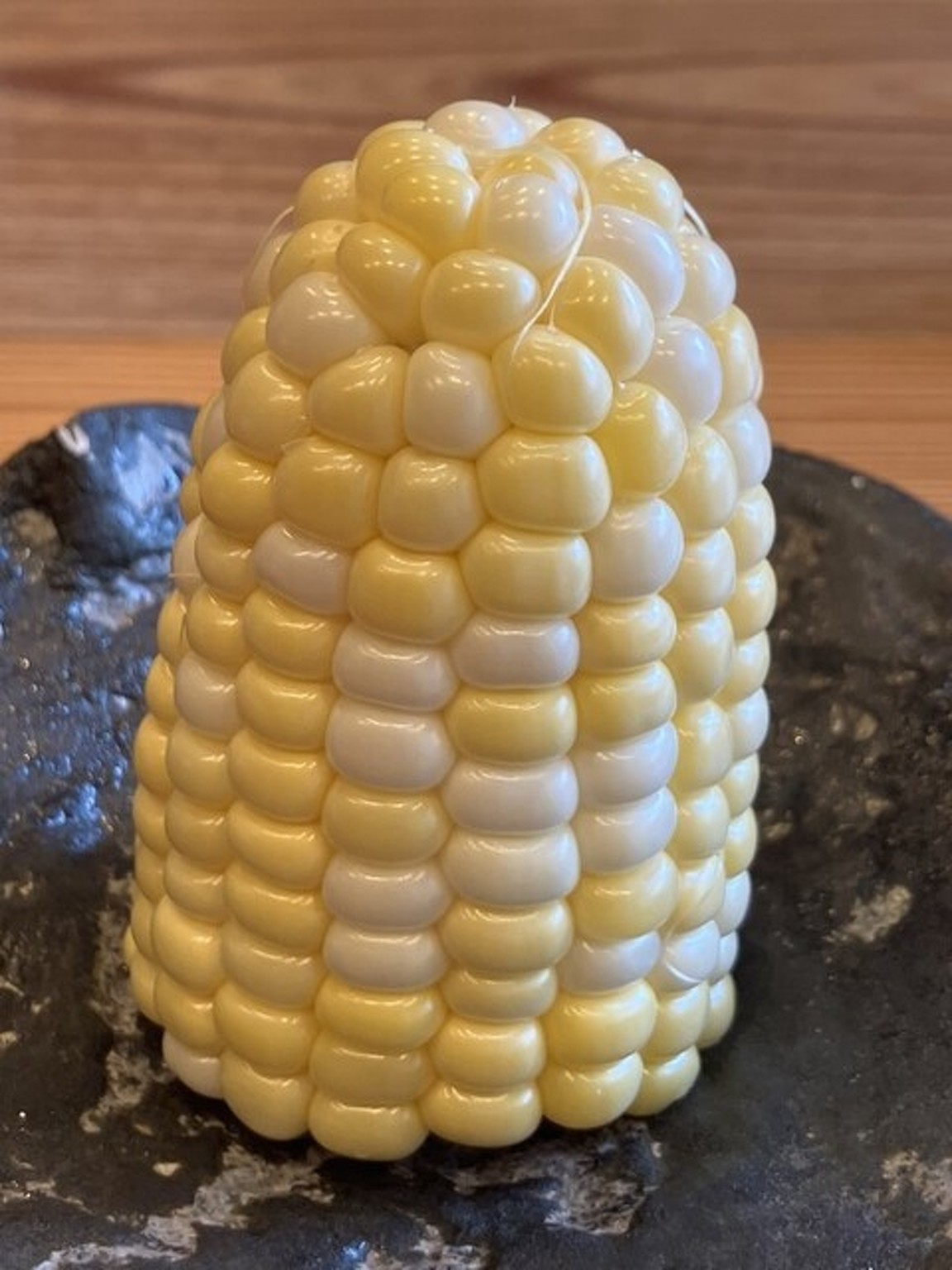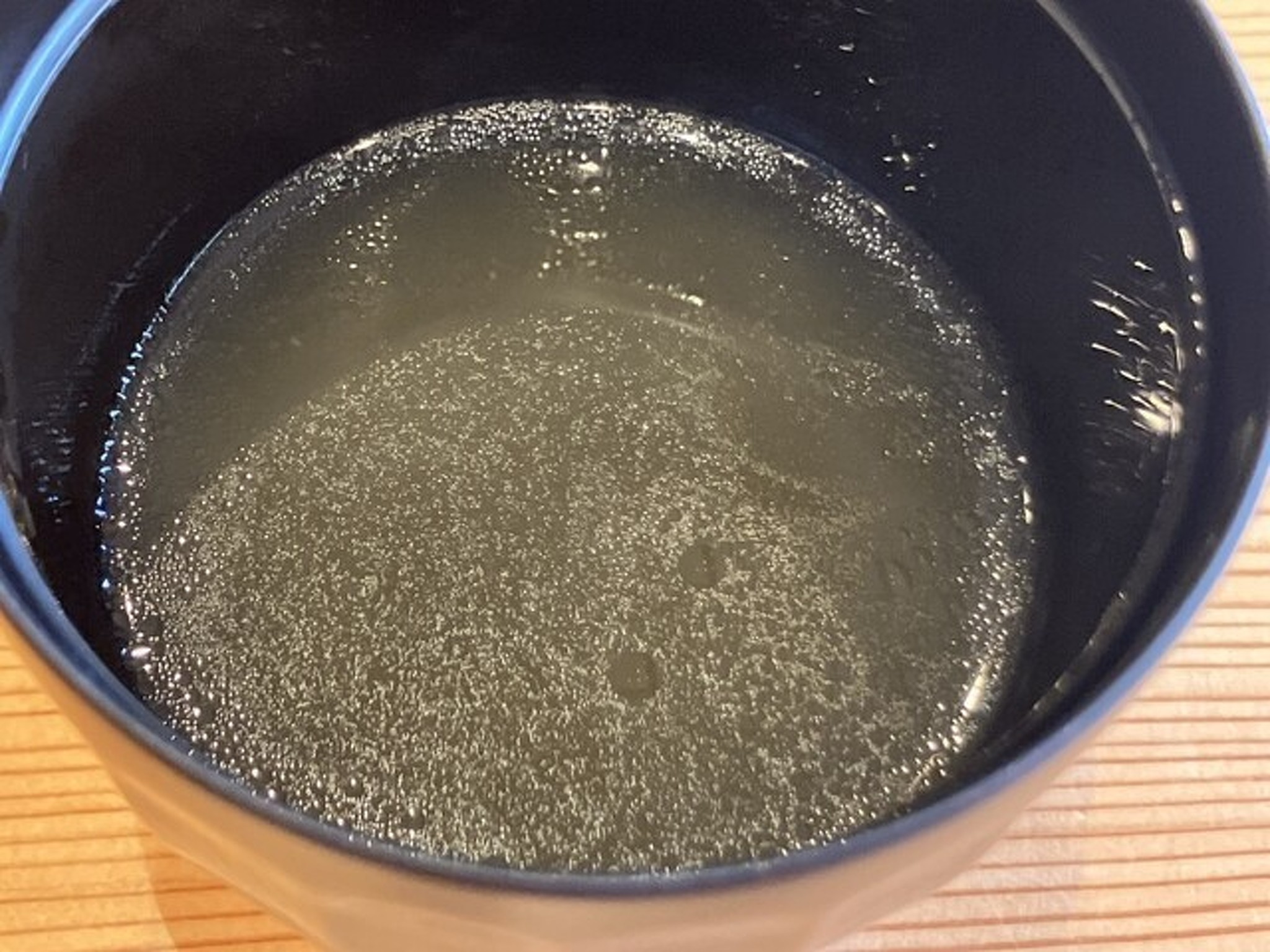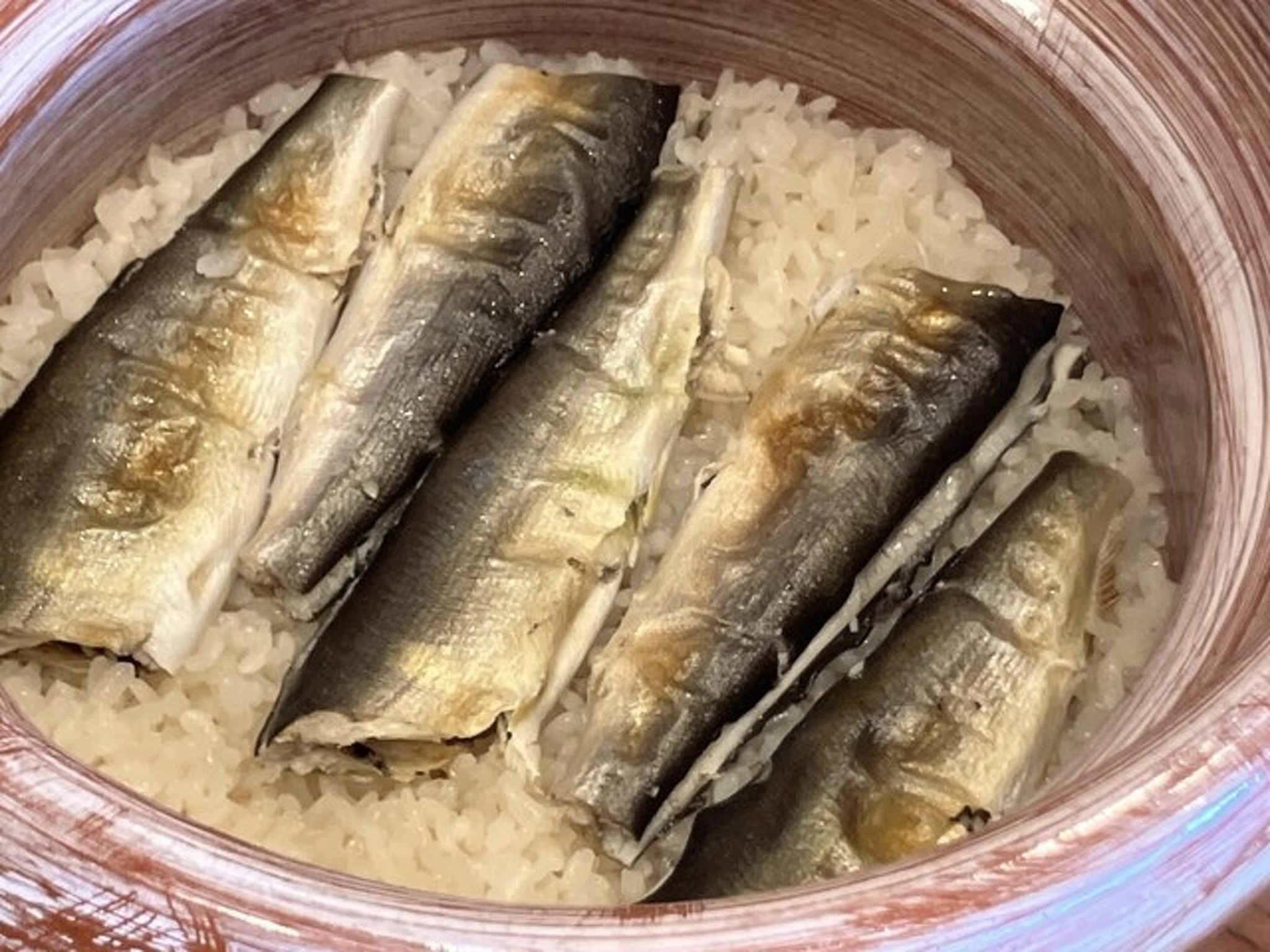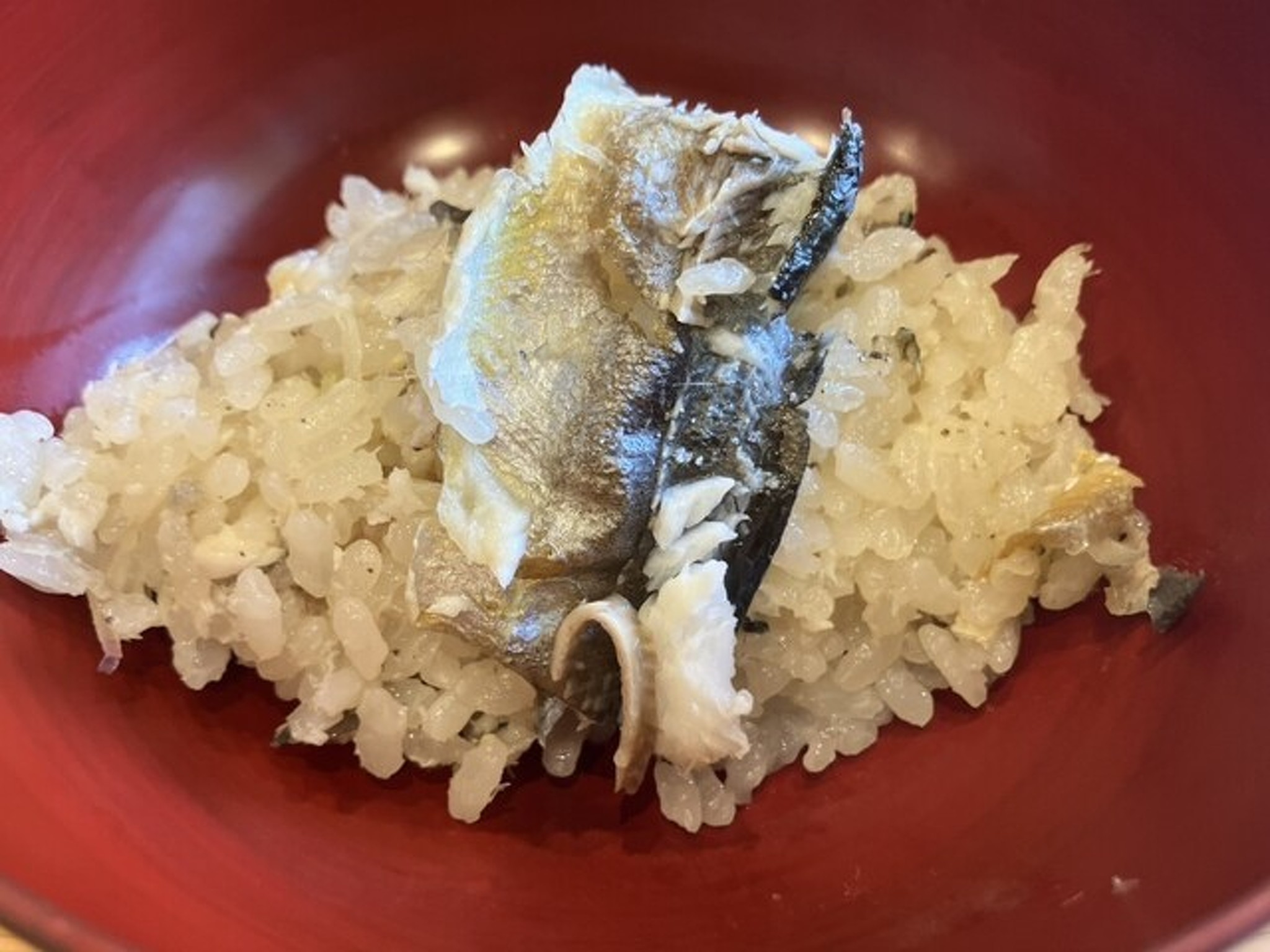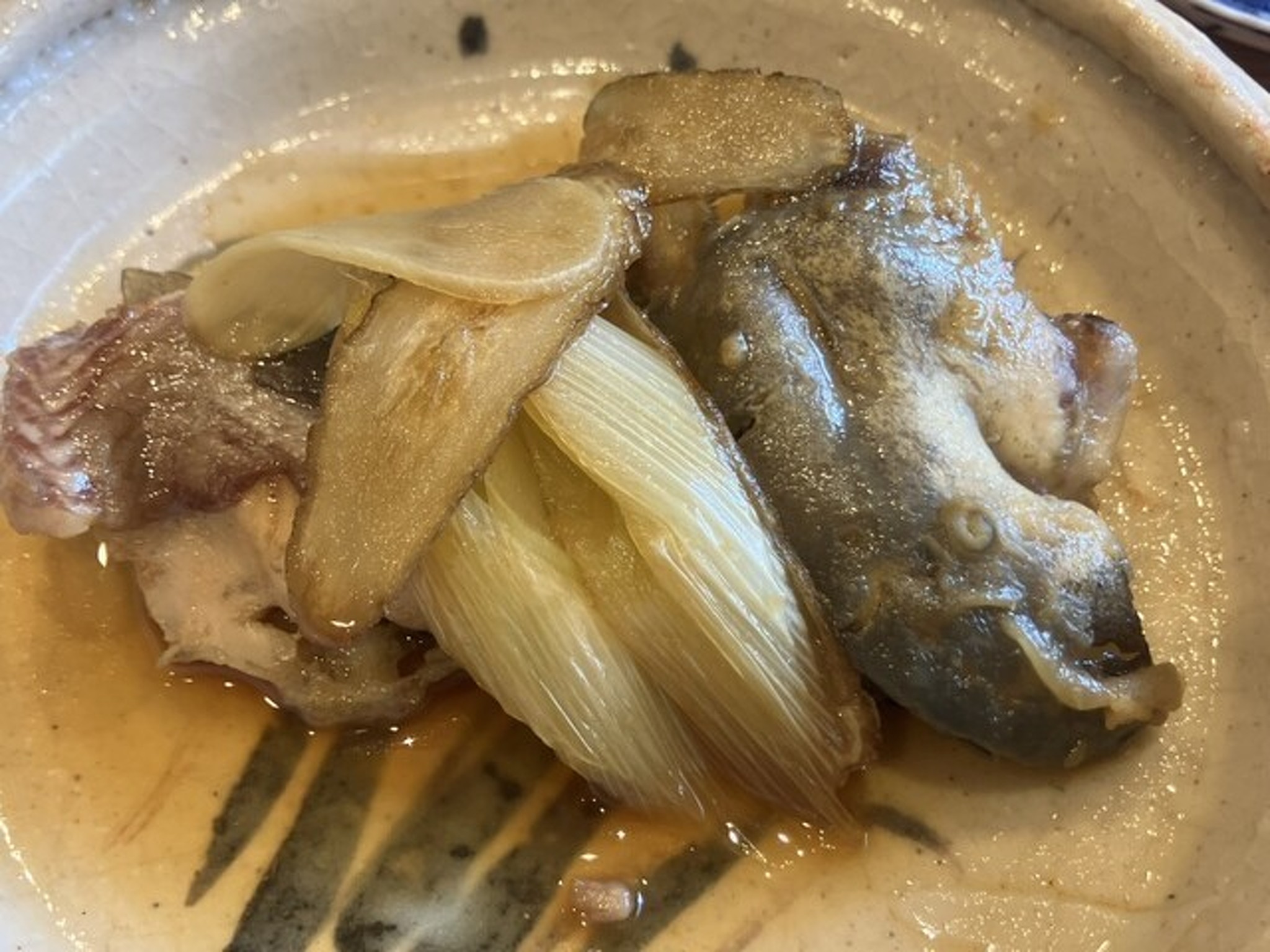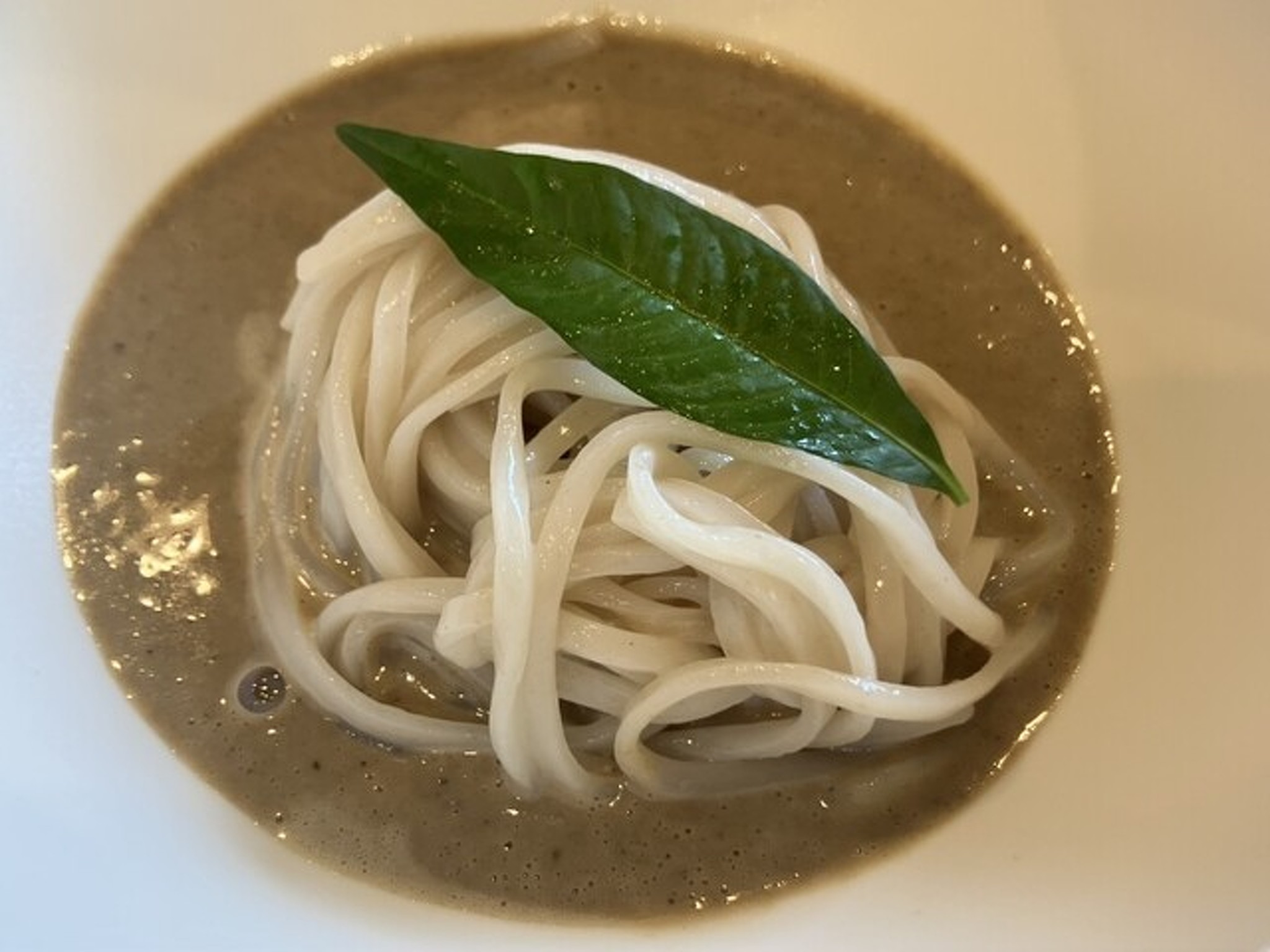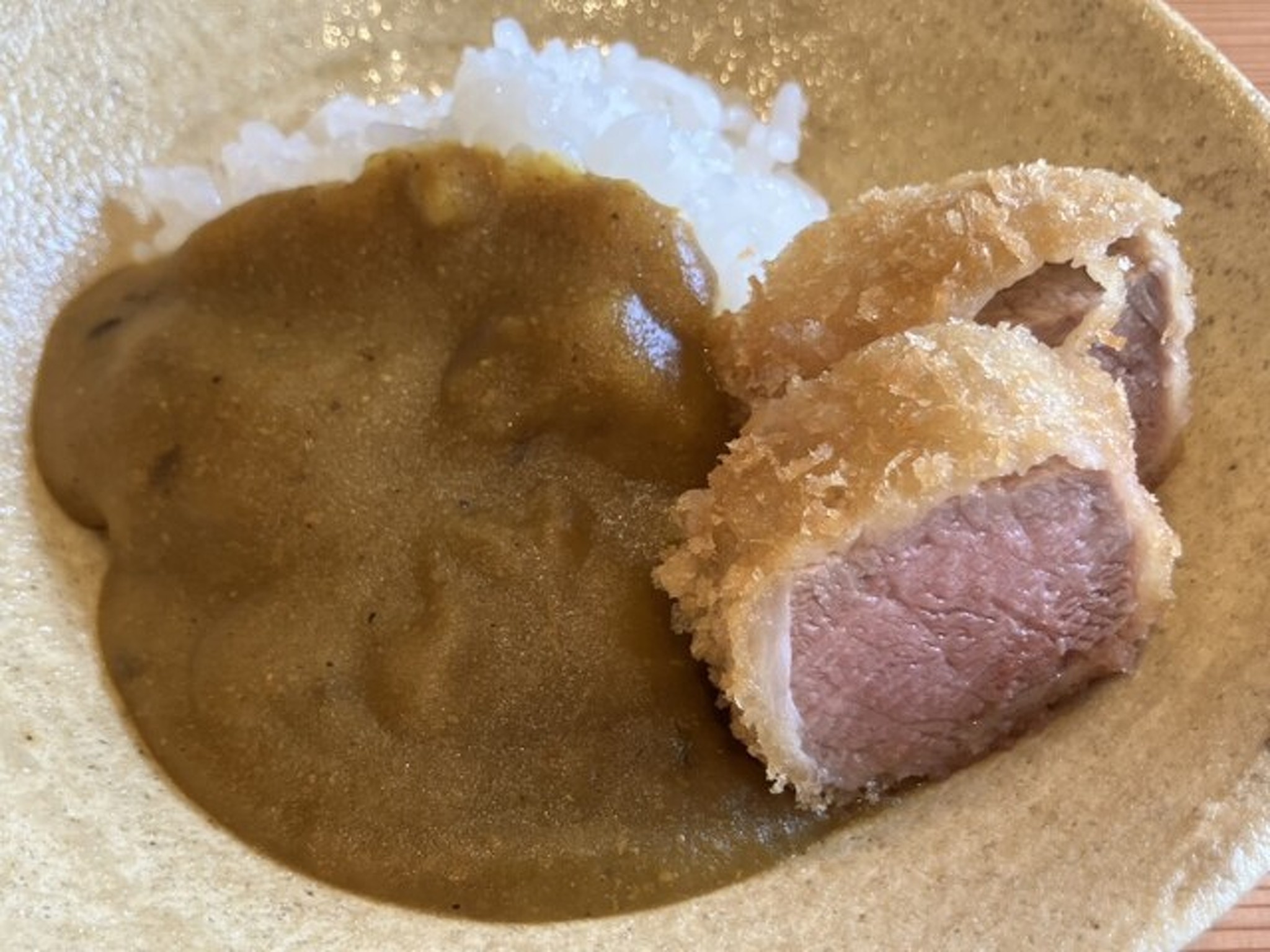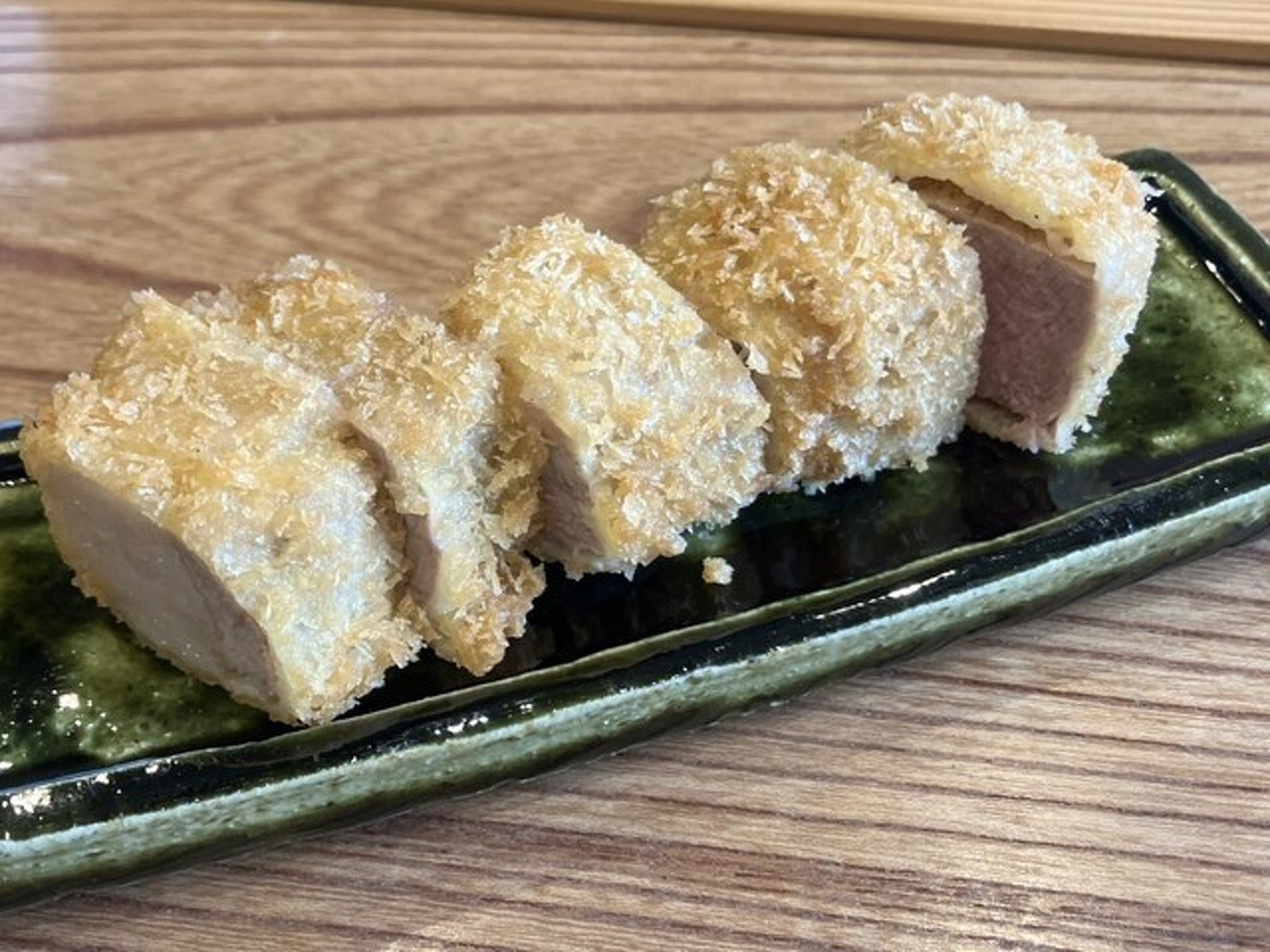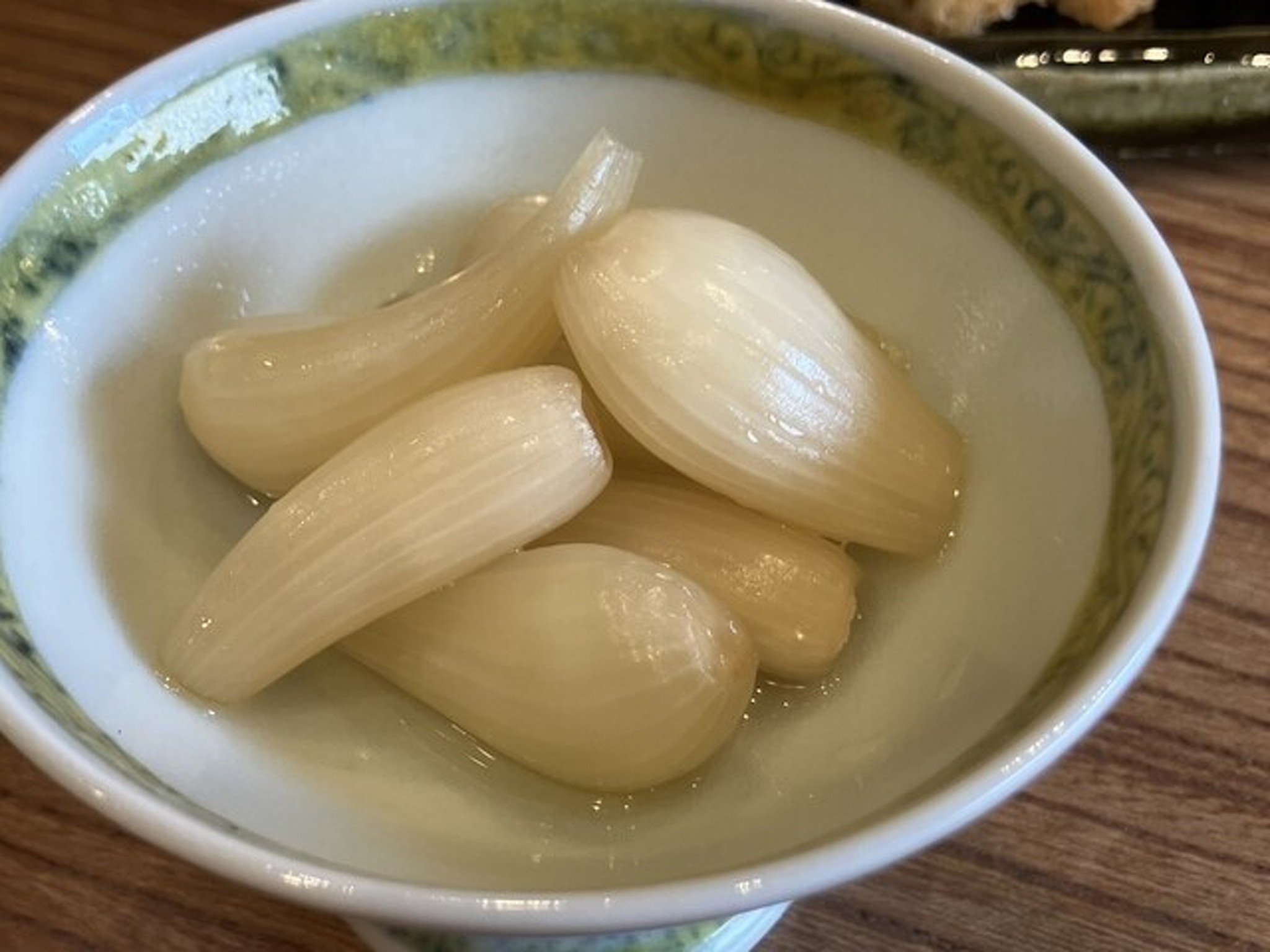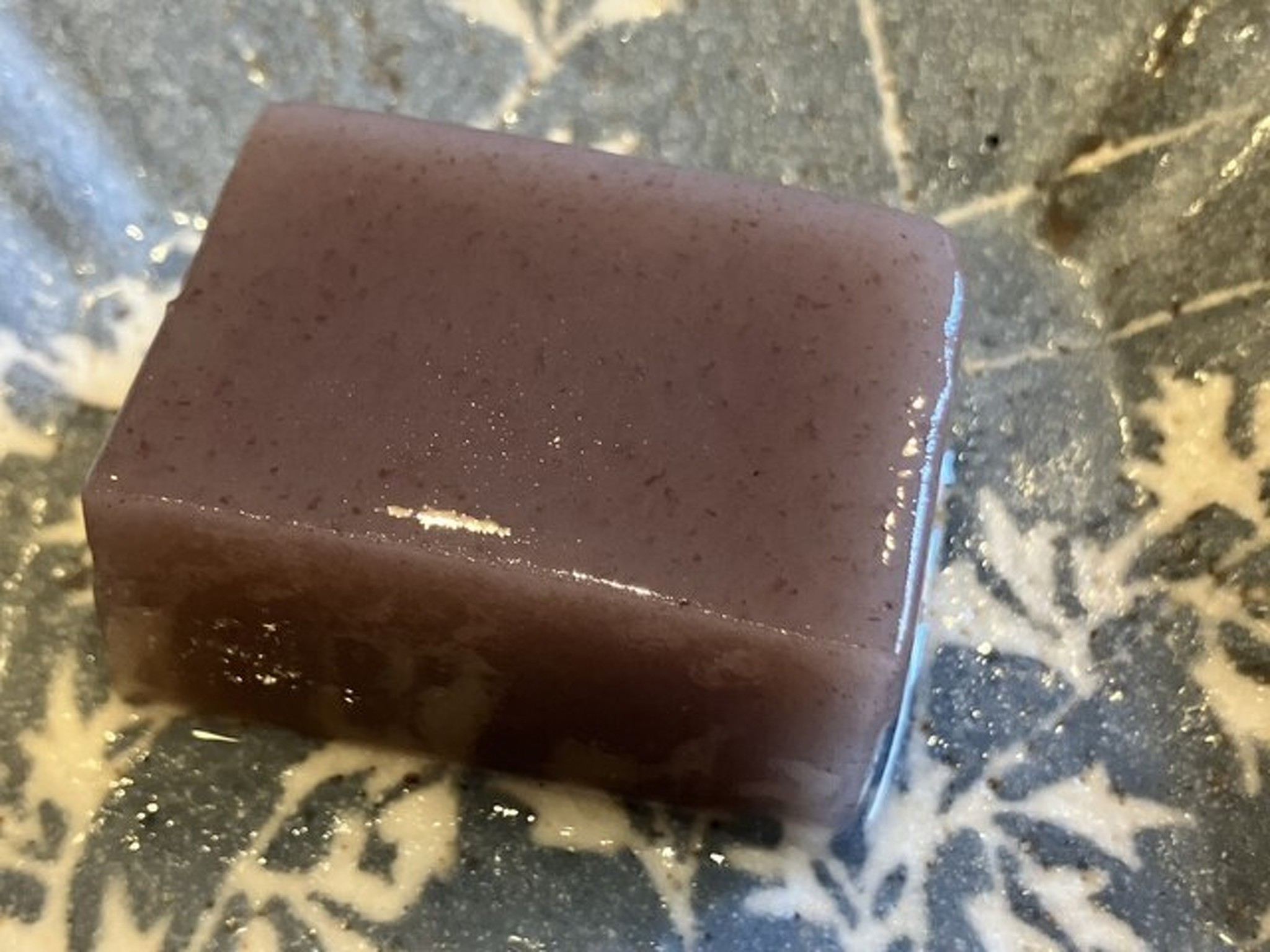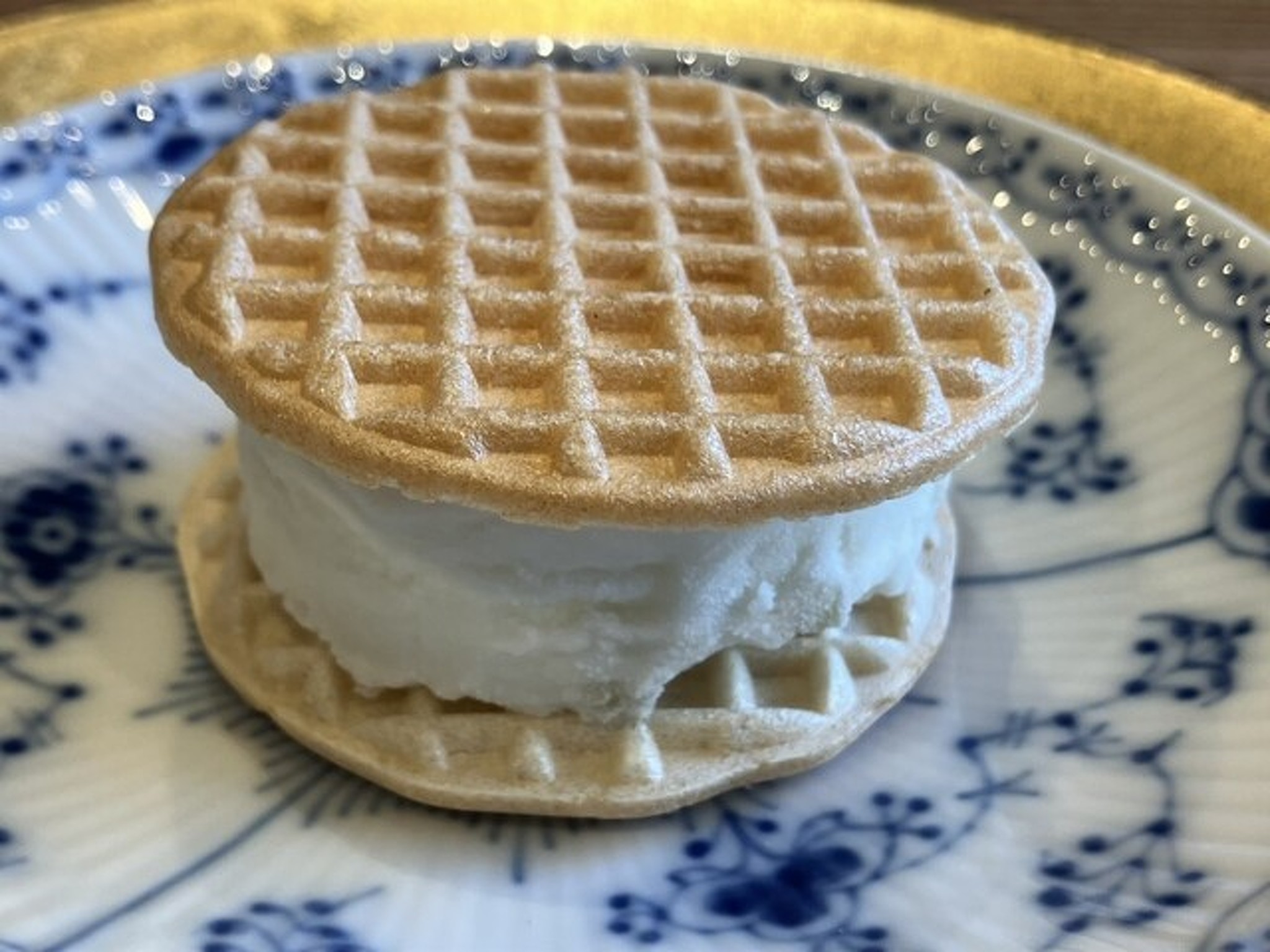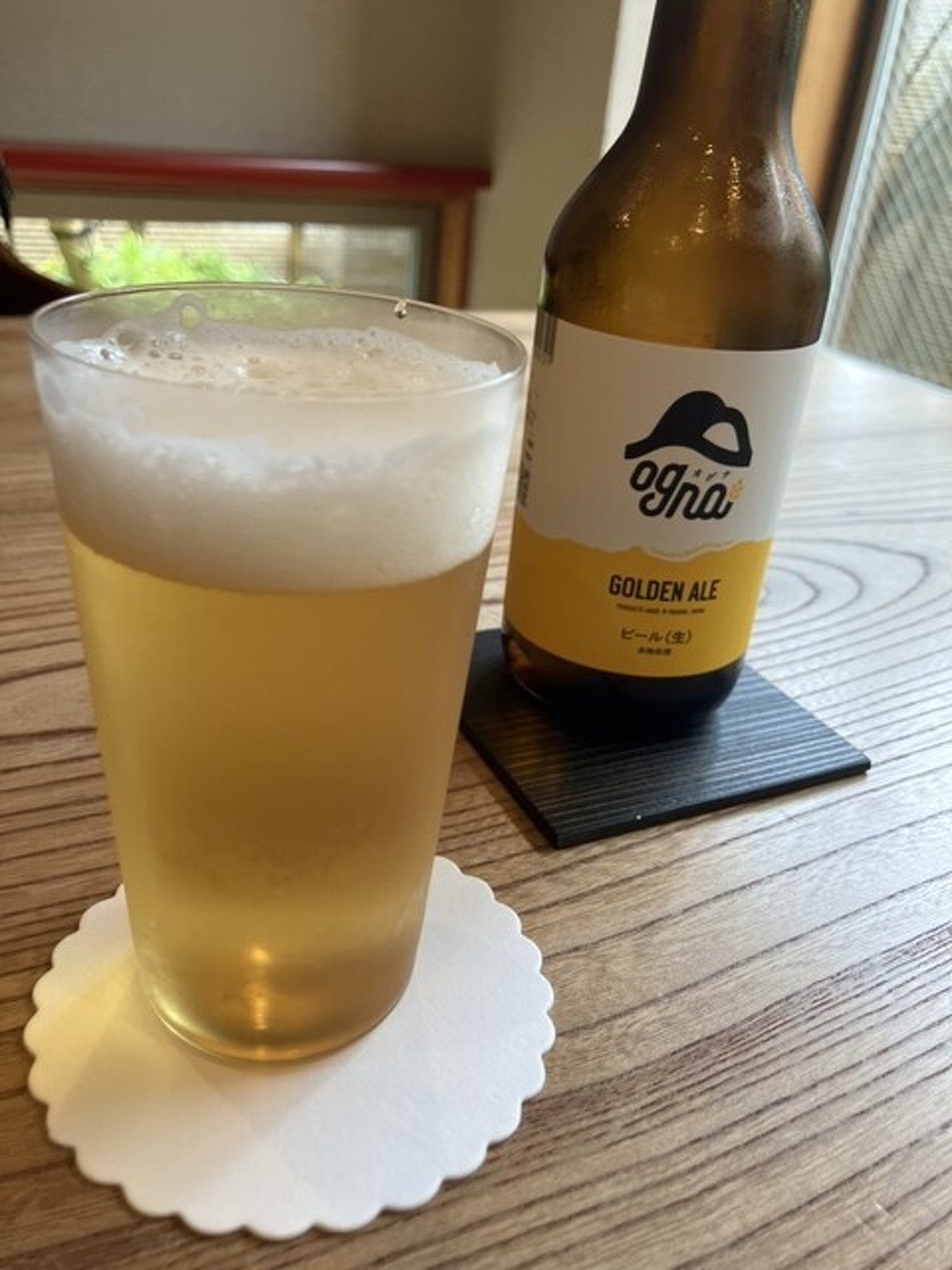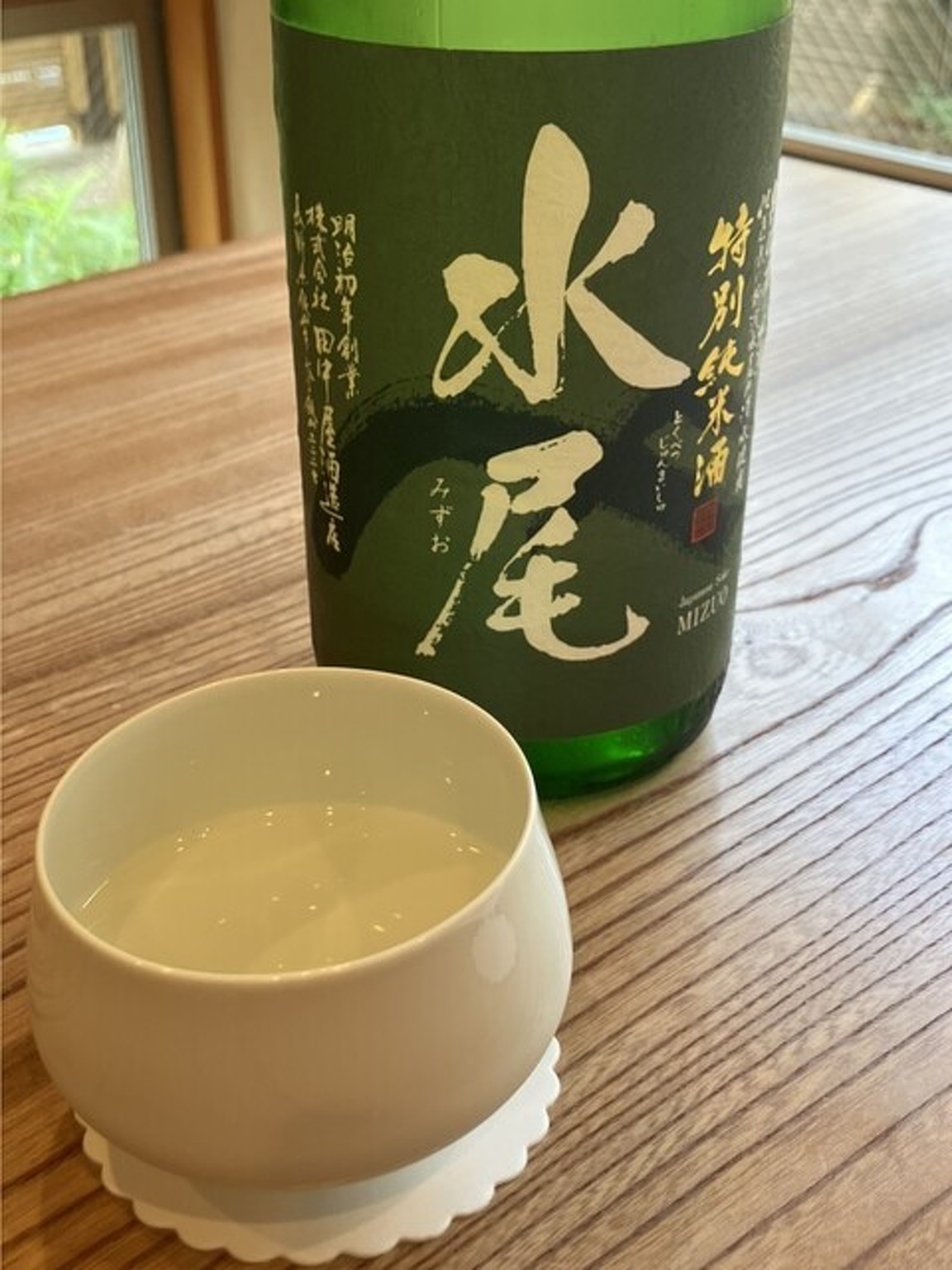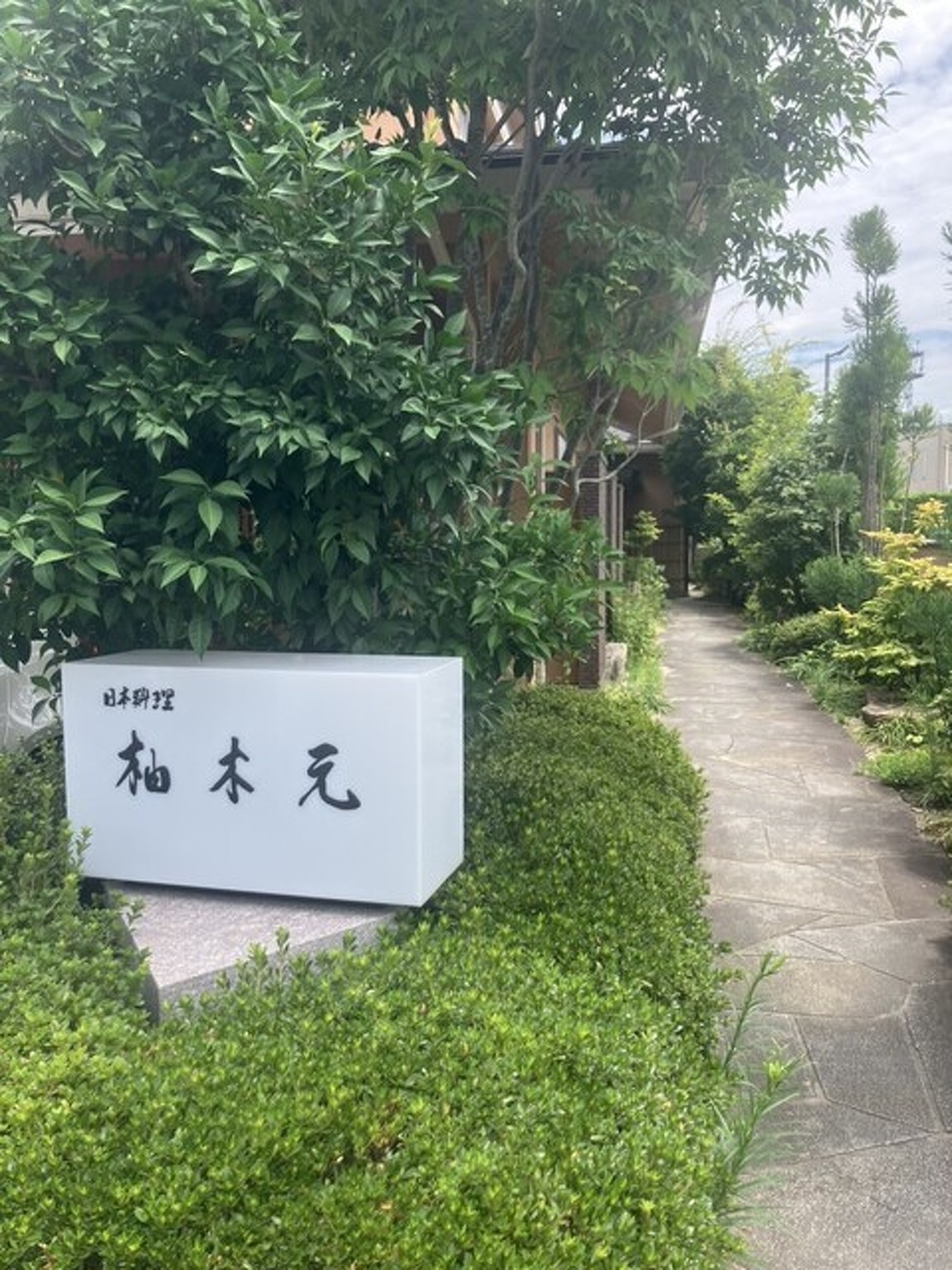
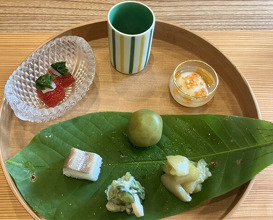
Revisit. This is my fourth time.Located in Iida City, Nagano Prefecture, just a short walk from Iida Station.A Japanese cuisine restaurant.My companion made various requests, and we opted for the omakase course.We also enjoyed some local beer and Japanese sake, with a total bill of JPY 59,800.In my previous visits, I had the game meat course.This time, it was the summer course, which was my first experience with it.(Interestingly, my first visit 11 years ago was also in the summer!)As summer arrives, it’s natural for the ingredients to change dramatically.The cooking methods and seasonings also shift significantly, showcasing a summer theme.The overall flavor profile of the dishes is lighter, with minimal salt usage,allowing the robust flavors of each ingredient to shine through,resulting in a very unique taste without being masked by salt.As a result, the dishes were quite adventurous and bold.They weren’t innovative but rather traditional Japanese cuisine with a daring twist.It was interesting.However, given the price range, I felt there was a desire for something truly exceptional.The grilled catfish was an experience unlike any I’ve had before and was incredibly delicious.Here’s a summary of the course. I was quite full.(1) Hassun (1-1) Morohiya Ohitashi (1-2) Charred and peeled plum (1-3) Quail egg onsen tamago (1-4) Simmered green plum in syrup (1-5) Tenryu sweetfish sushi (1-6) Cucumber and salted squid with sake lees (1-7) Shigeko eggplant in vinegar(2) Natural amago trout and amitate soup(3) Grilled catfish(4) Summer bear dumpling(5) Asahimatsu koya tofu cooked in local celery broth(6) Grilled natural eel, 400g(7) Simmered sweetfish(8) Matsumoto watermelon(9) Cold simmered vegetables(10) Grilled soft-shelled turtle(11) Namban-zuke of natural eel from Hamana Lake(12) Reconstructed spring rolls with natural sweetfish(13) 100% freshly squeezed corn juice(14) Freshly harvested corn(15) Meal (15-1) Natural sweetfish broth (15-2) Cucumber with mustard (15-3) Sweetfish rice (15-4) Simmered catfish (15-5) Hand-made sweetfish udon (15-6) Chiyo Maboroshi pork tenderloin katsu curry(16) Homemade water yokan(17) Yogurt-style ice cream with plum syrup and milk sandwiched in a waffle monakaBelow are my brief impressions of the dishes.Feel free to skip this as it’s just a personal note.(1) HassunThe hassun was diverse and intricate, which was interesting,but in terms of standout individual items, the following two were exceptional: (1-6) Cucumber and salted squid with sake lees (1-7) Traditional vegetable shigeko eggplant in vinegarThese were simply prepared, but the quality of the ingredients and cooking techniques shone through.(2) Natural amago trout and amitate soup (broth made from kombu and amago)The amago was lightly grilled to remove its sliminess, while the amitate had a slight sliminess that complemented the amago.The amago flesh crumbled easily, spreading its umami flavor.The broth was a strong combination of kombu and amago, resulting in a rich umami.(3) Grilled catfish from Nagiso with ume paste and wasabiThis was a flavor of fish I had never experienced before. What is this? It’s hard to compare to anything else.If I had to describe it, it felt like grilled eel with skin on, but it was different.It had a deep, rich flavor.It wasn’t watery, so the flavor hit my taste buds directly,allowing me to experience the catfish’s umami in a straightforward manner.(4) Summer bear dumpling (with tomato, garlic chives, and cheese from Hiraya Jersey milk)Yukimoto’s dumplings are always delicious, but this time it was the best I’ve had.Being summer bear meat, it was low in fat but not dry, with a vibrant umami.This was likely due to the chef’s expertise in handling bear meat.The addition of Jersey milk cheese added richness to the bear meat,and the combination was excellent.(5) Asahimatsu koya tofu cooked in local celery broth with celery sauceThis dish aimed to highlight the flavor of celery broth.Celery broth is usually quite strong, but it felt restrained here.It had a fresh green quality, possibly using some celery leaves, which added a subtle accent.(6) Grilled natural eel, 400g, from Hamana Lake with wasabi and salt from Ohkura VillageThis was a sizable, thick eel, grilled over charcoal.The skin was beautifully charred, and the fat was rendered well.The flavor was concentrated in the flesh, as it was a summer natural eel.The texture was surprisingly different even though the parts were not far apart.Was it due to the individual fish or the grilling technique?Both eels used had different textures, so it was likely the grilling method.(7) Simmered sweetfish (Tenryu sweetfish, sansho pepper, sweetfish ponzu)The simmering sauce was delicious. It was distinctly different from other restaurants’ sweetfish.It wasn’t overly salty, and it had a refreshing quality that complemented the sweetfish.As a result, the sauce melded with the sweetfish.When biting into the sweetfish, the sauce burst forth, bringing out the fish’s umami and bitterness.It was delicious.(9) Cold simmered vegetables (shigeko eggplant, pumpkin, and winter melon)The unique flavor of the traditional vegetable shigeko eggplant was delightful.I personally enjoy eggplant, and I feel like I’ve had it at various places this year.The cold broth from the simmered vegetables became even more delicious as it passed through the eggplant, soaking into my body.(10) Grilled soft-shelled turtle (farmed soft-shelled turtle from Takayama) with sautéed matsutake mushroomsThe soft-shelled turtle had a firm texture and rich flavor.The meat around the bones was also delicious, and I savored every bit.While soft-shelled turtle is delicious in soup, grilling concentrates its flavor.I haven’t had much experience with grilled soft-shelled turtle, but this was on par with the one I had at "Isoda."The large sautéed matsutake mushrooms were also impressively delicious.(11) Namban-zuke of natural eel from Hamana Lake with junmai from Shinano Town and passion fruitThis was the namban-zuke made with the natural eel from (6).It seemed like the frying had further reduced the fat.The sweetness and acidity of the namban-zuke, combined with the sweetness and acidity of the passion fruit, seemed to overshadow the eel’s inherent flavor.I apologize if my opinion is not very helpful, as I tend to prefer more traditional flavors with eel.(12) Reconstructed spring rolls with natural sweetfish caught in a nearby riverThese were spring rolls with sweetfish.They were shaped like a whole sweetfish, but with a clever technique to retain the flavor of the innards, literally "reconstructing" the sweetfish.Wrapped in spring roll skin and fried like dumplings, the moisture was locked in, preserving the sweetfish’s texture and bitterness.However, the aroma leaned more towards the innards, which gave a slightly negative impression.The spring roll skin was not rolled but rather wrapped around the sweetfish, requiring the ends to be sealed,resulting in a thicker, crispier texture that clashed with the sweetfish’s bitterness.While the attempt was interesting and the sweetfish was delicious, it felt a bit wasted.(13) 100% freshly squeezed corn juiceThis juice was made from raw corn without any heat.It has a sweetness similar to fruit, making it a sweet drink.(14) Freshly harvested cornThis was the same corn from (13), just presented as is.I found it sweeter than the juice. It was interesting.It reminded me of the time I harvested corn in a field in Misaki on the Miura Peninsula about 30 years ago,and the taste of biting into freshly picked corn.(15) Meal(15-3) Sweetfish riceThe bitterness of the sweetfish permeated the rice, giving a strong impression of bitterness.It reminded me of the refined sweetfish rice from "Makimura."(15-5) Hand-made sweetfish udonThe bitterness of the sweetfish continued.(16) Homemade water yokanThis was a loose type with a high moisture content.(17) Yogurt-style ice cream with plum syrup and milk sandwiched in a waffle monakaThe acidity of the plum syrup gave it a yogurt-like flavor. It was interesting.
We use cookies on this site to enhance your user experience.