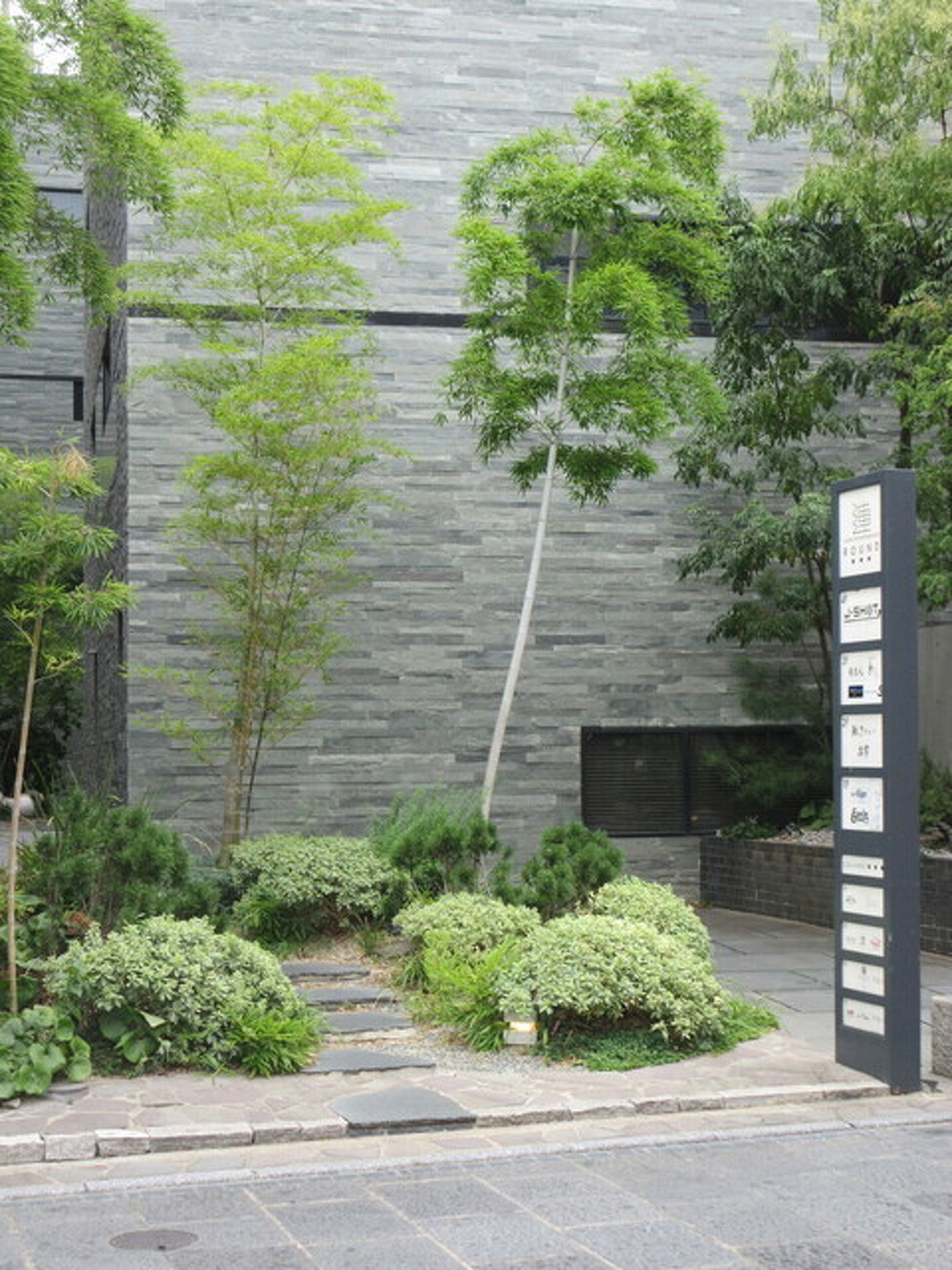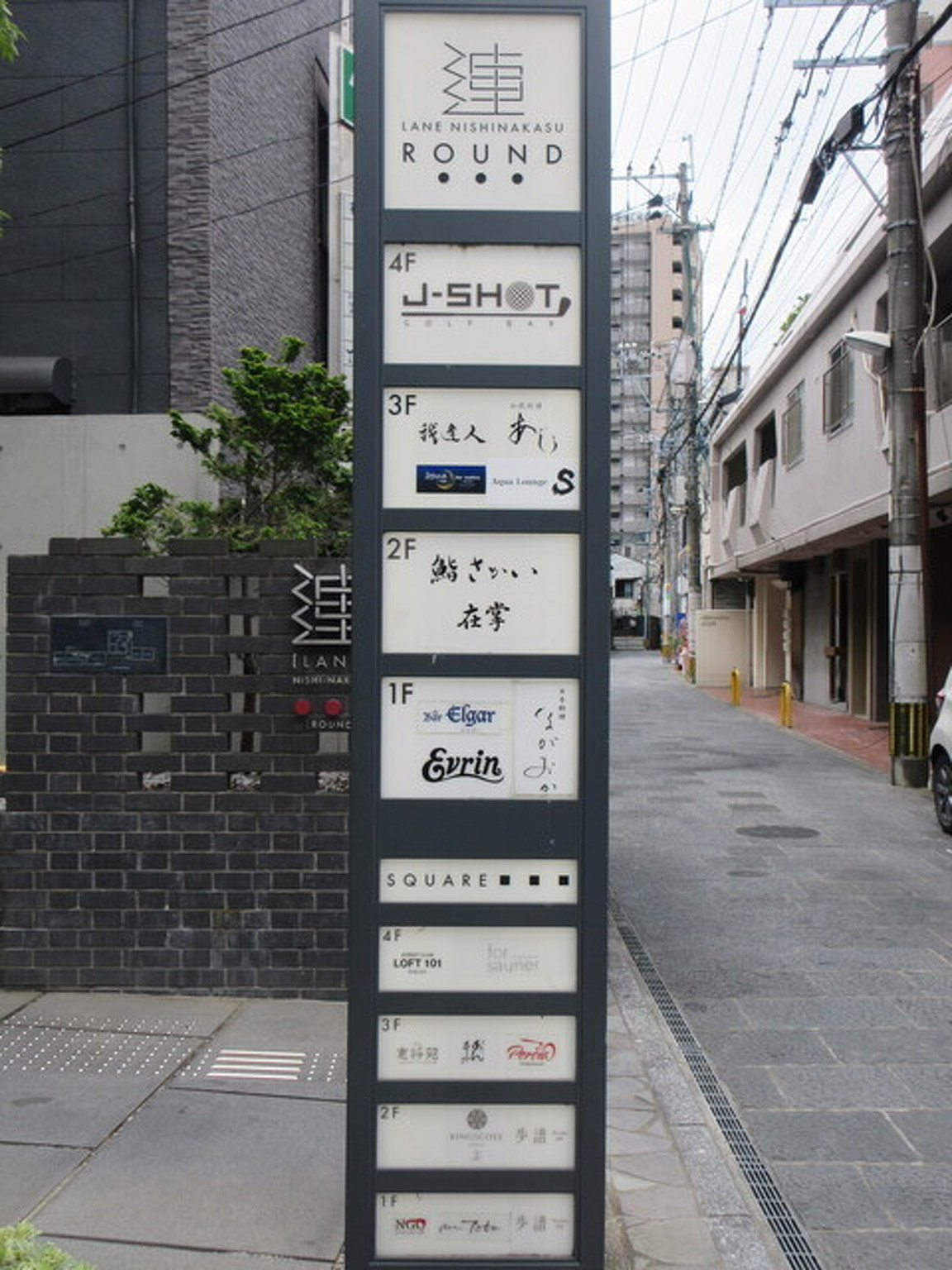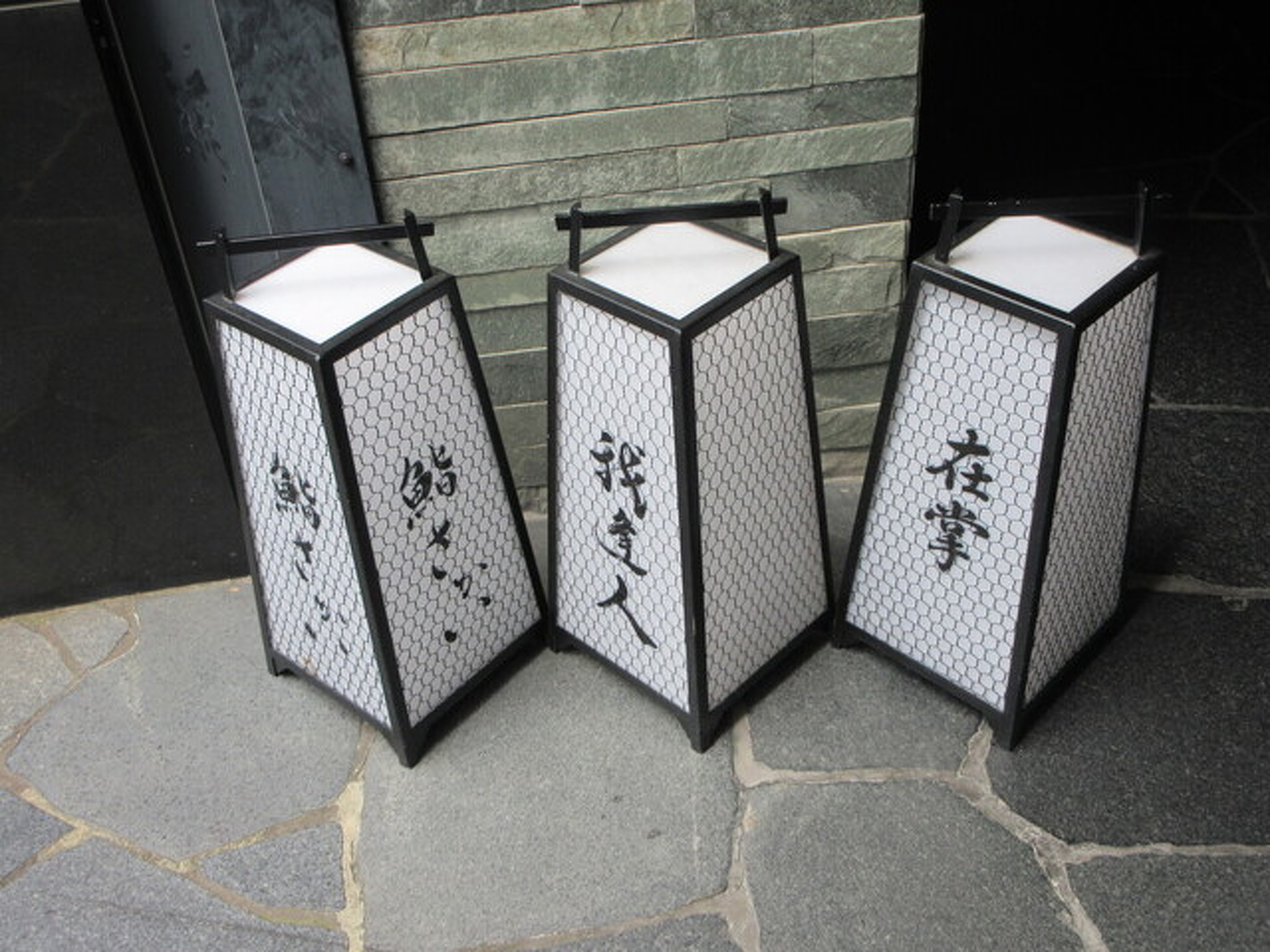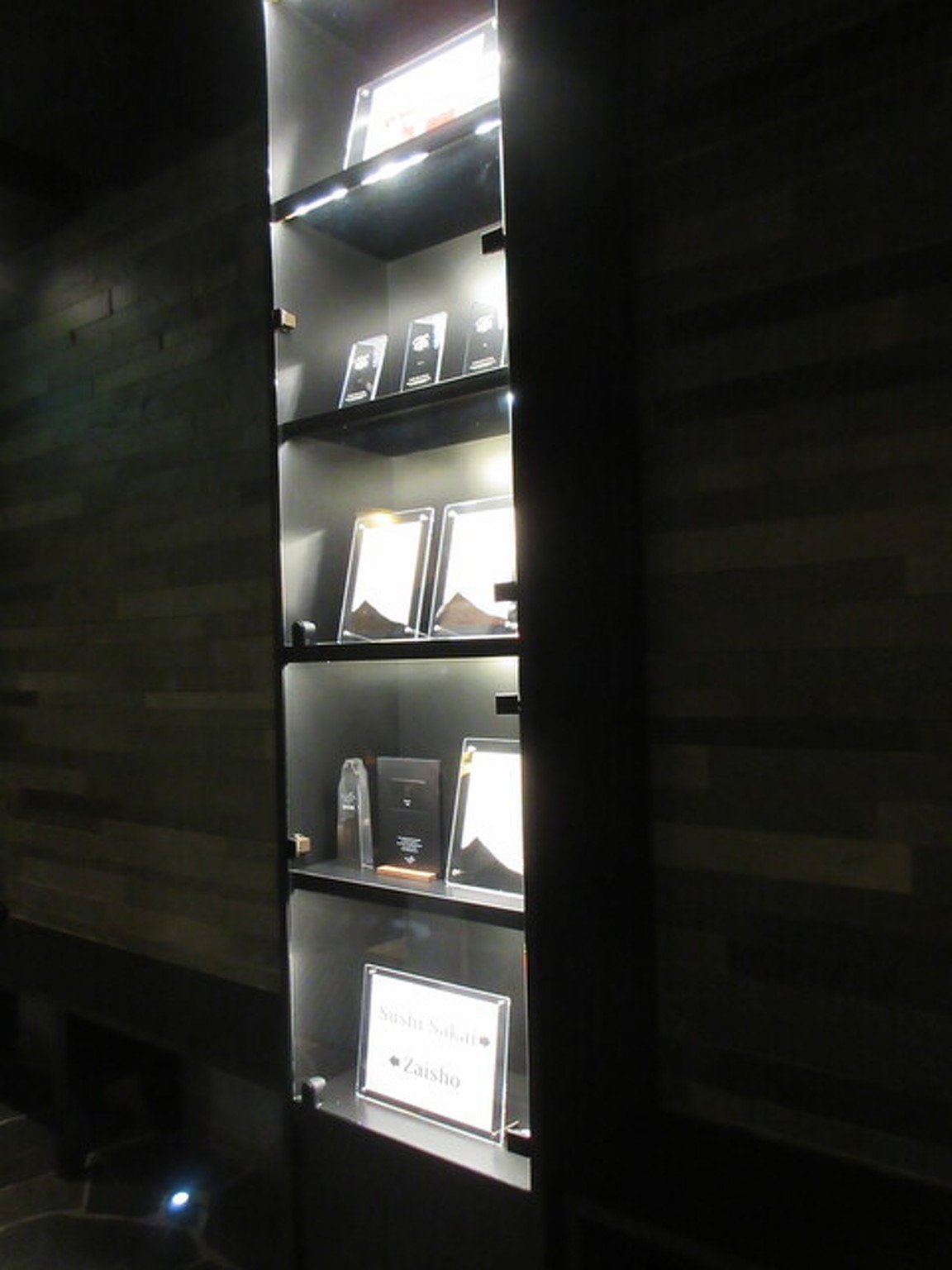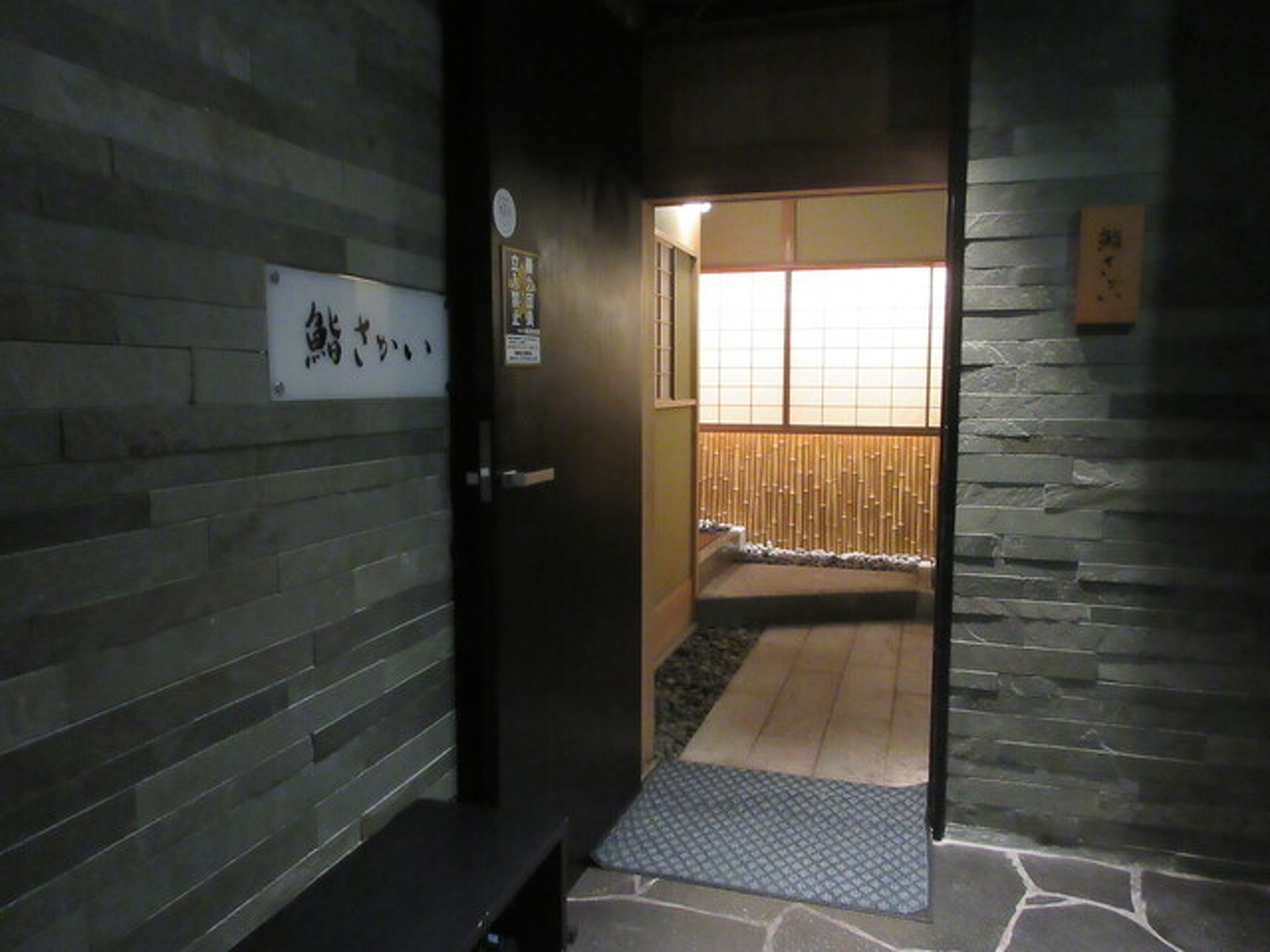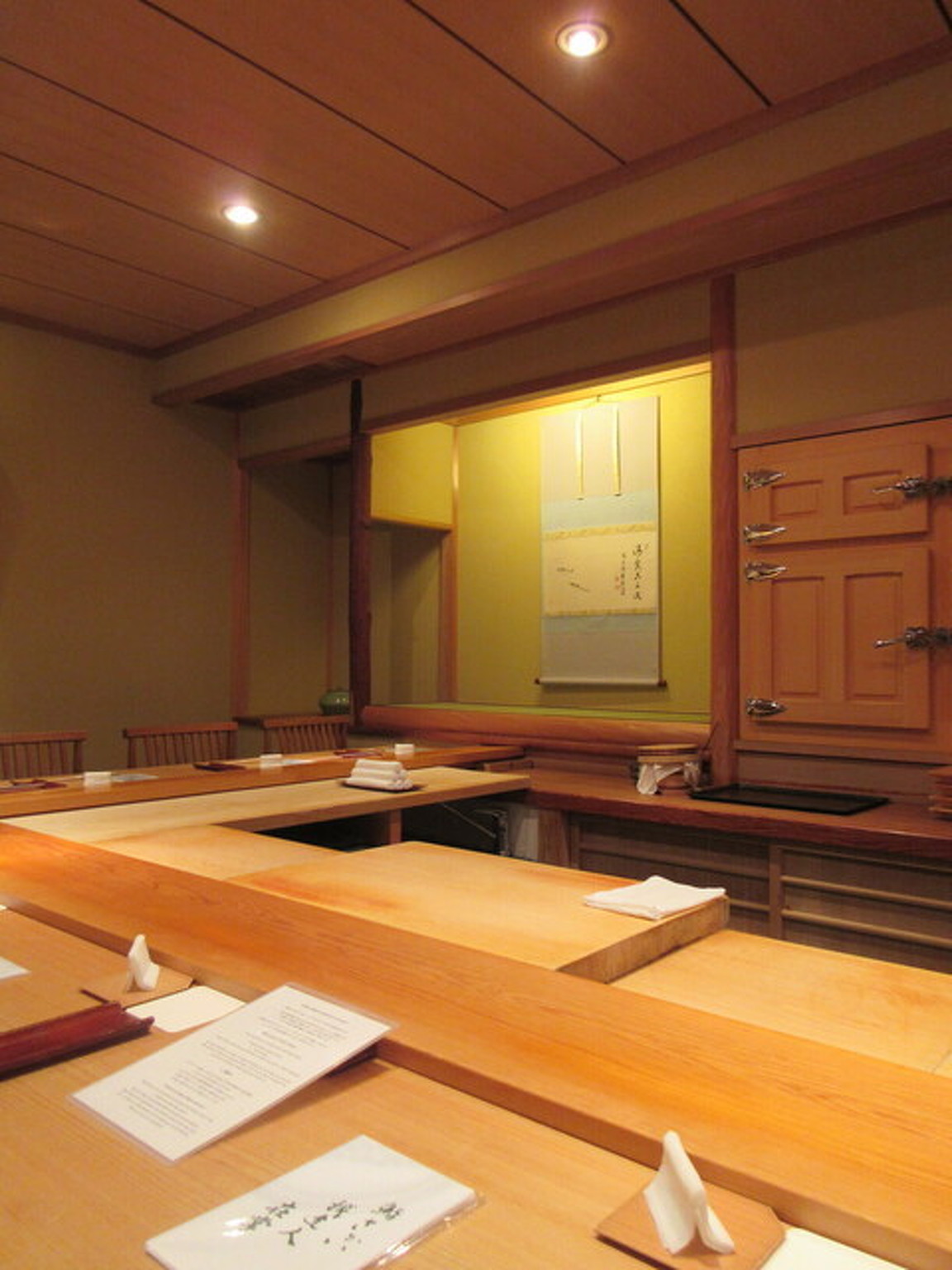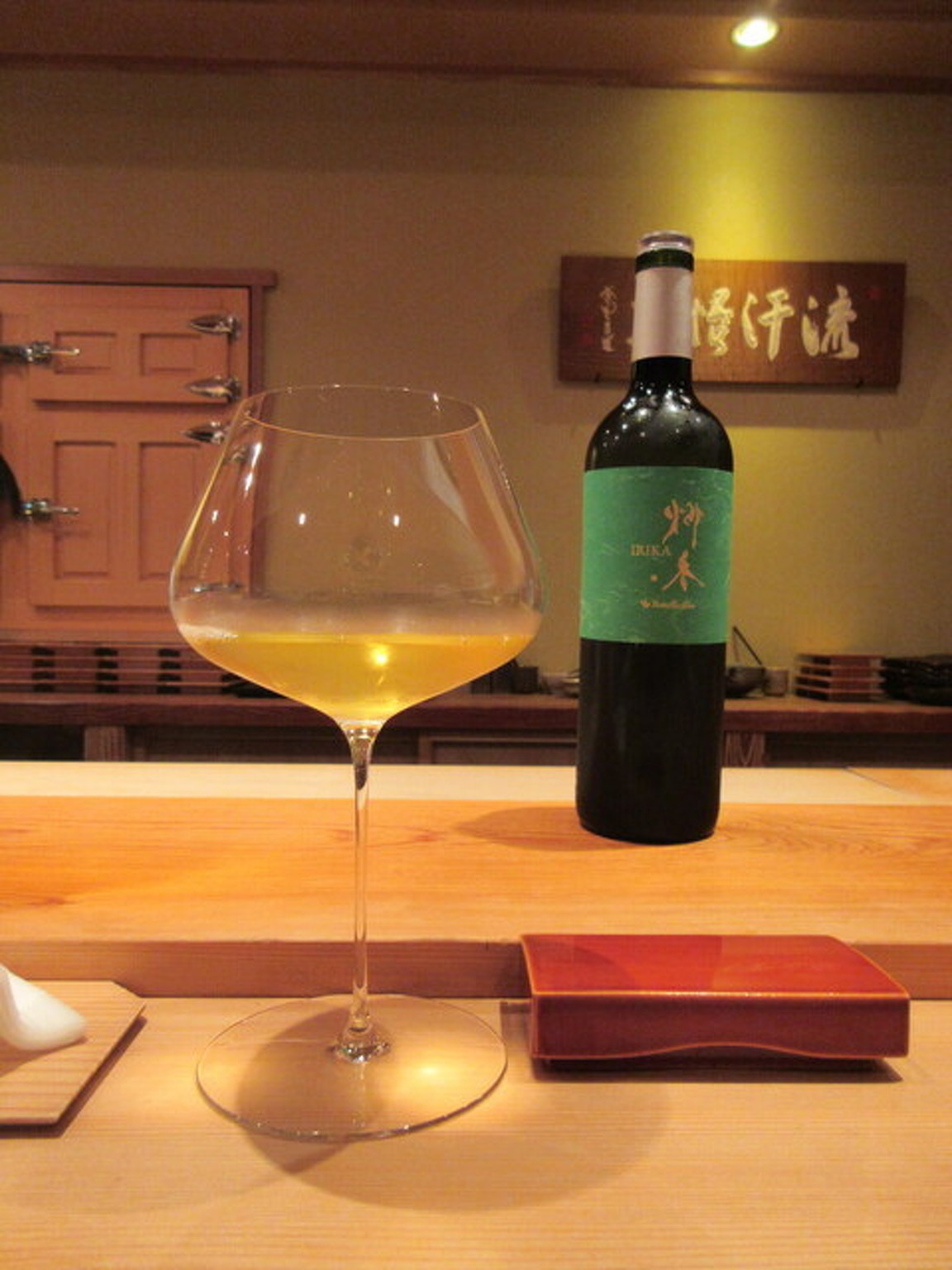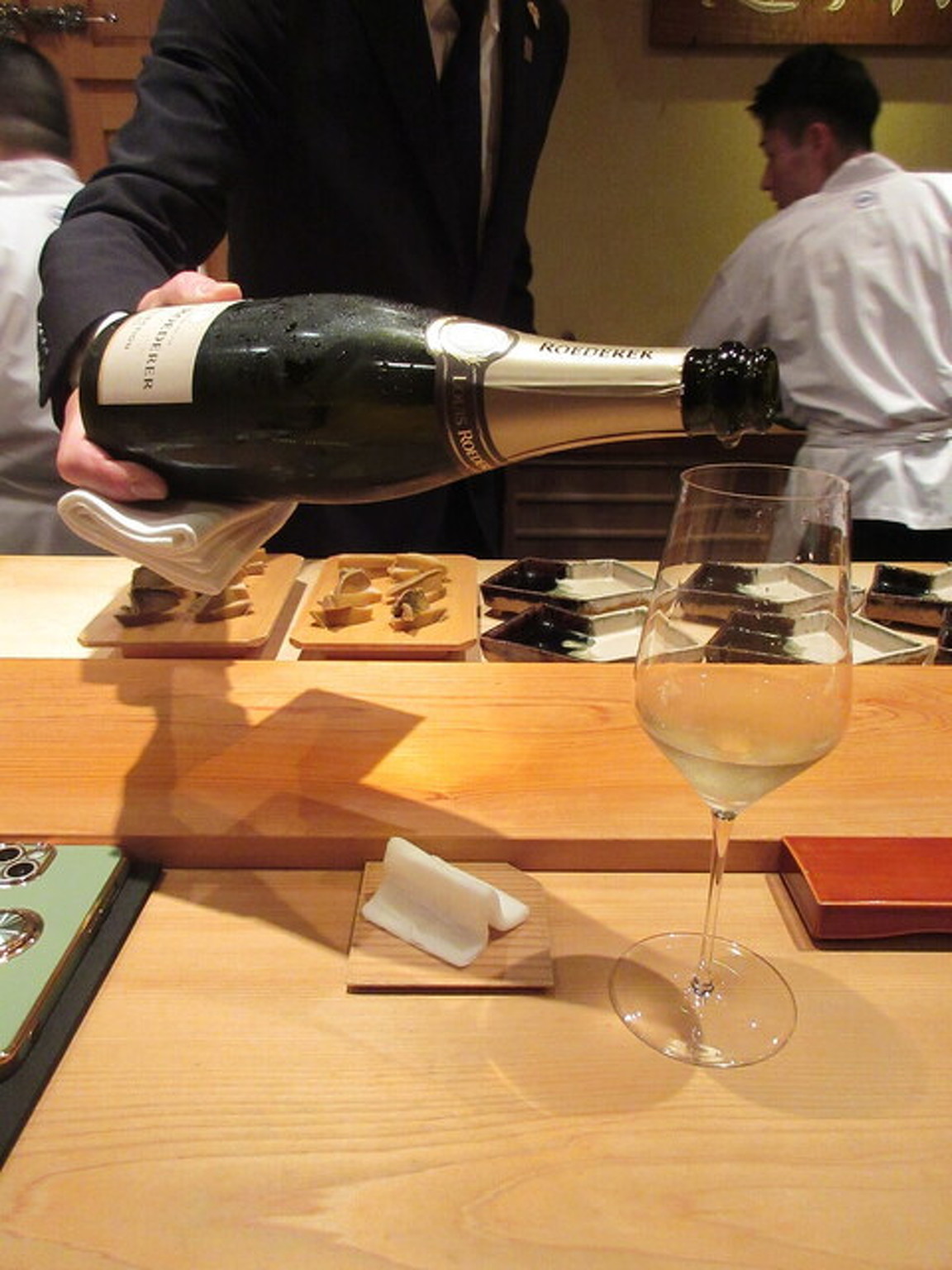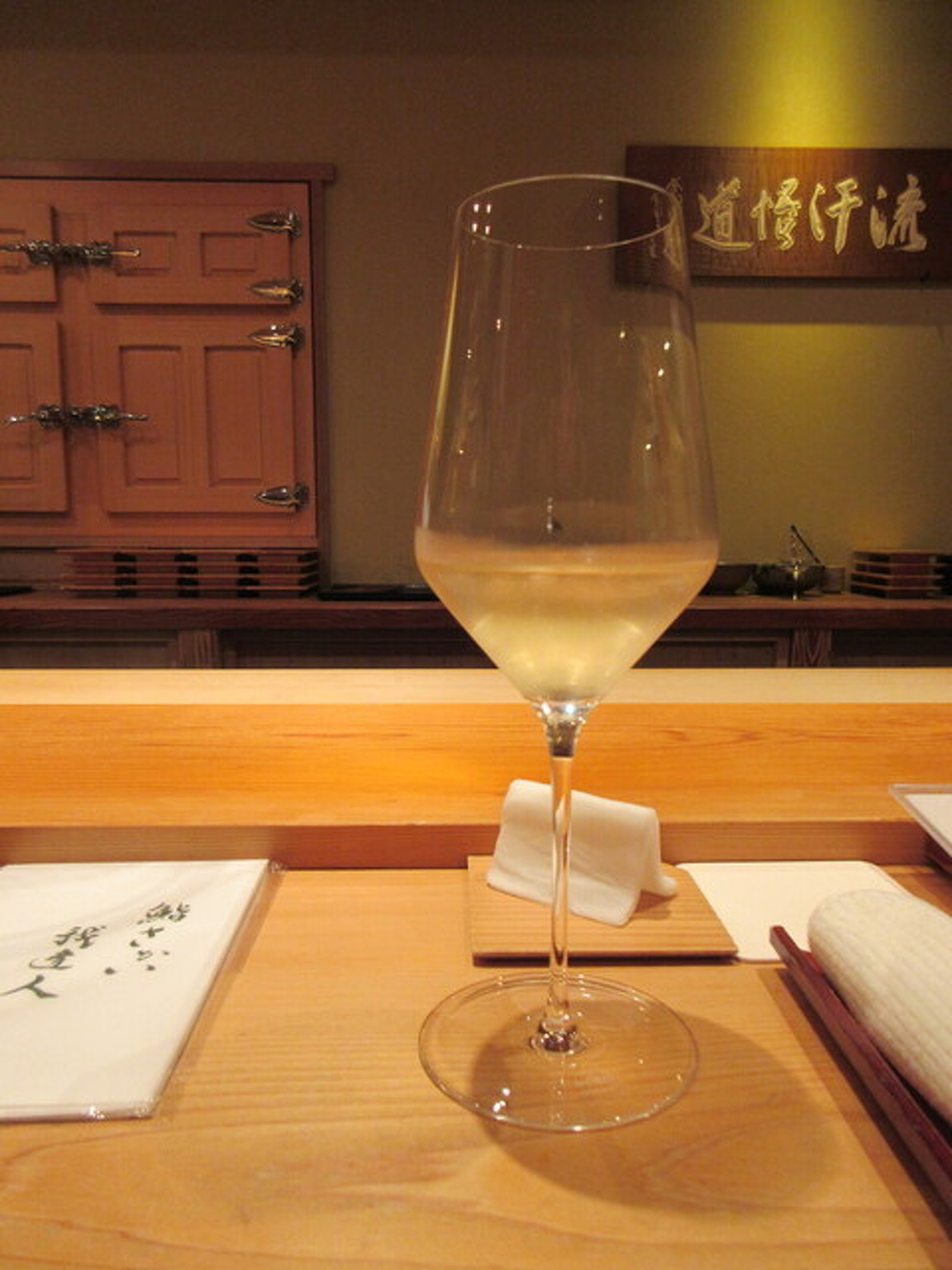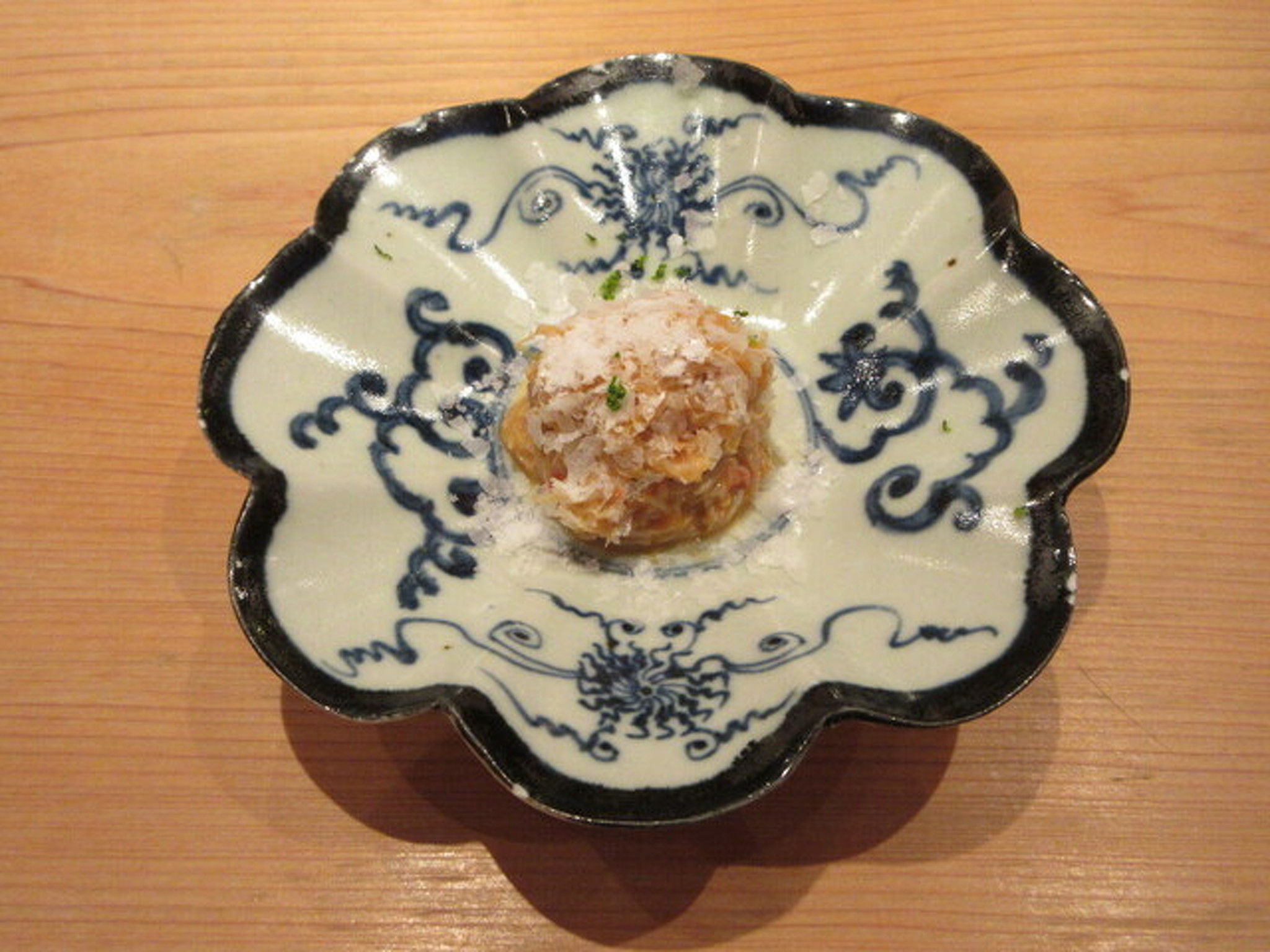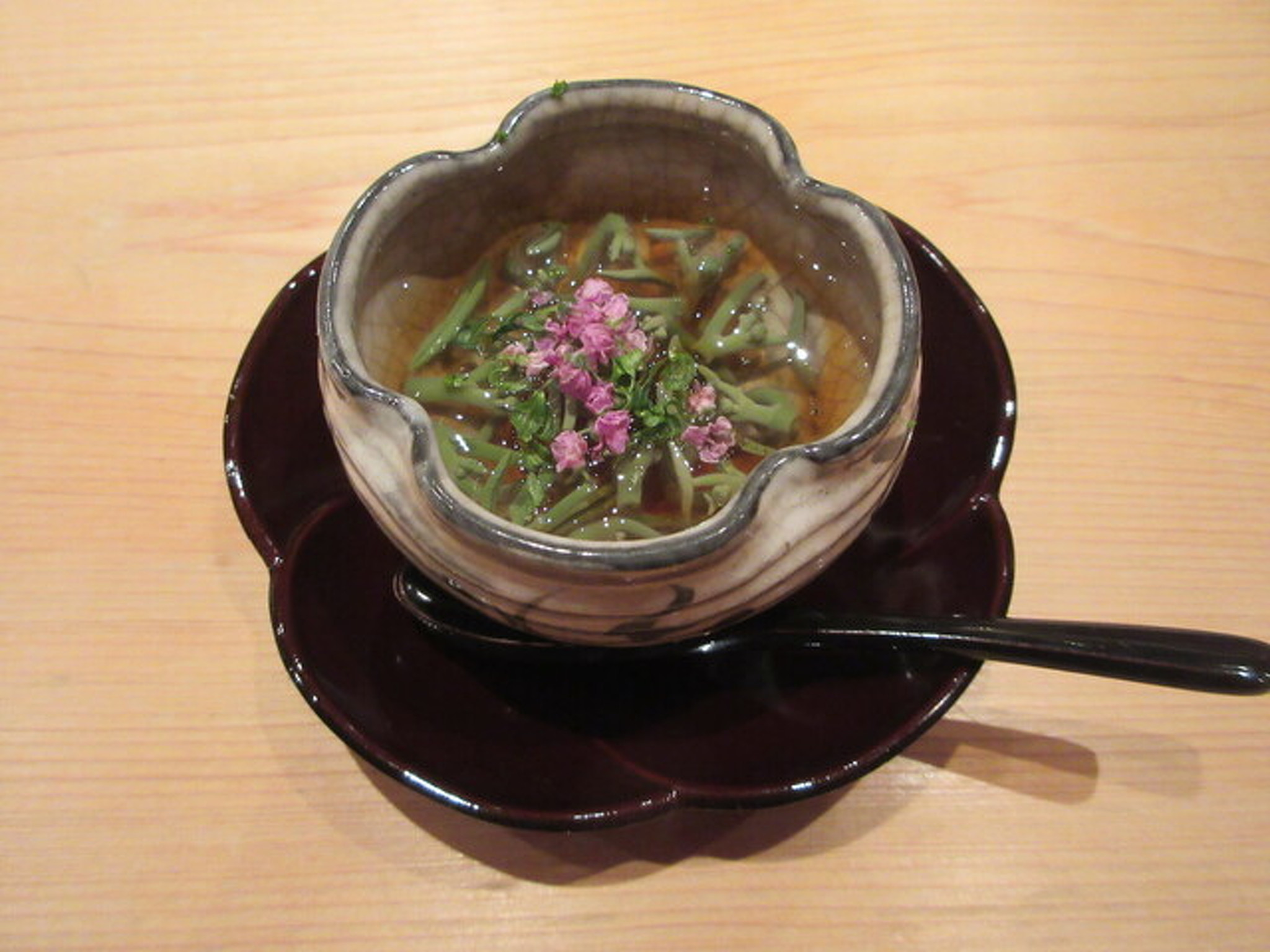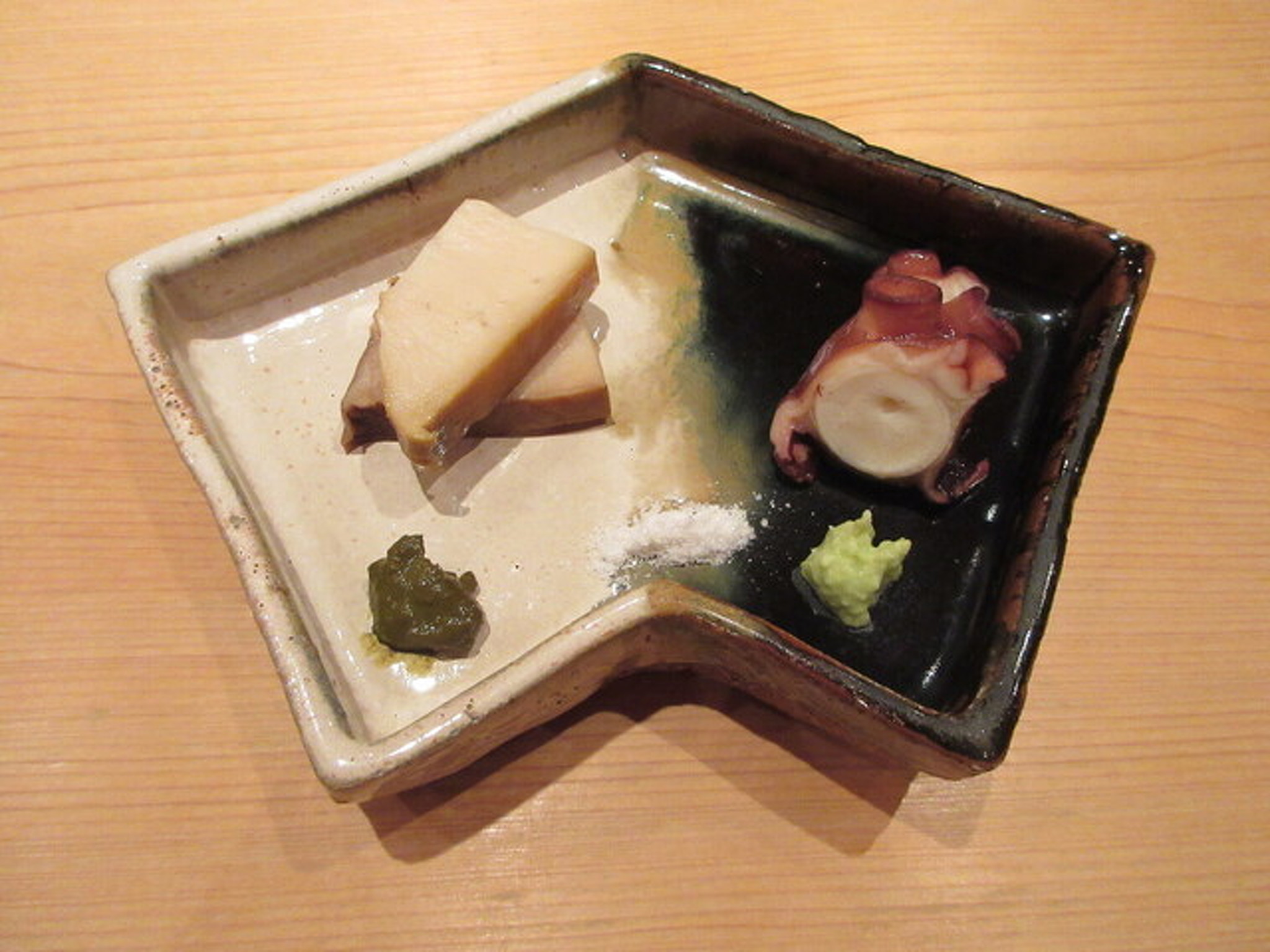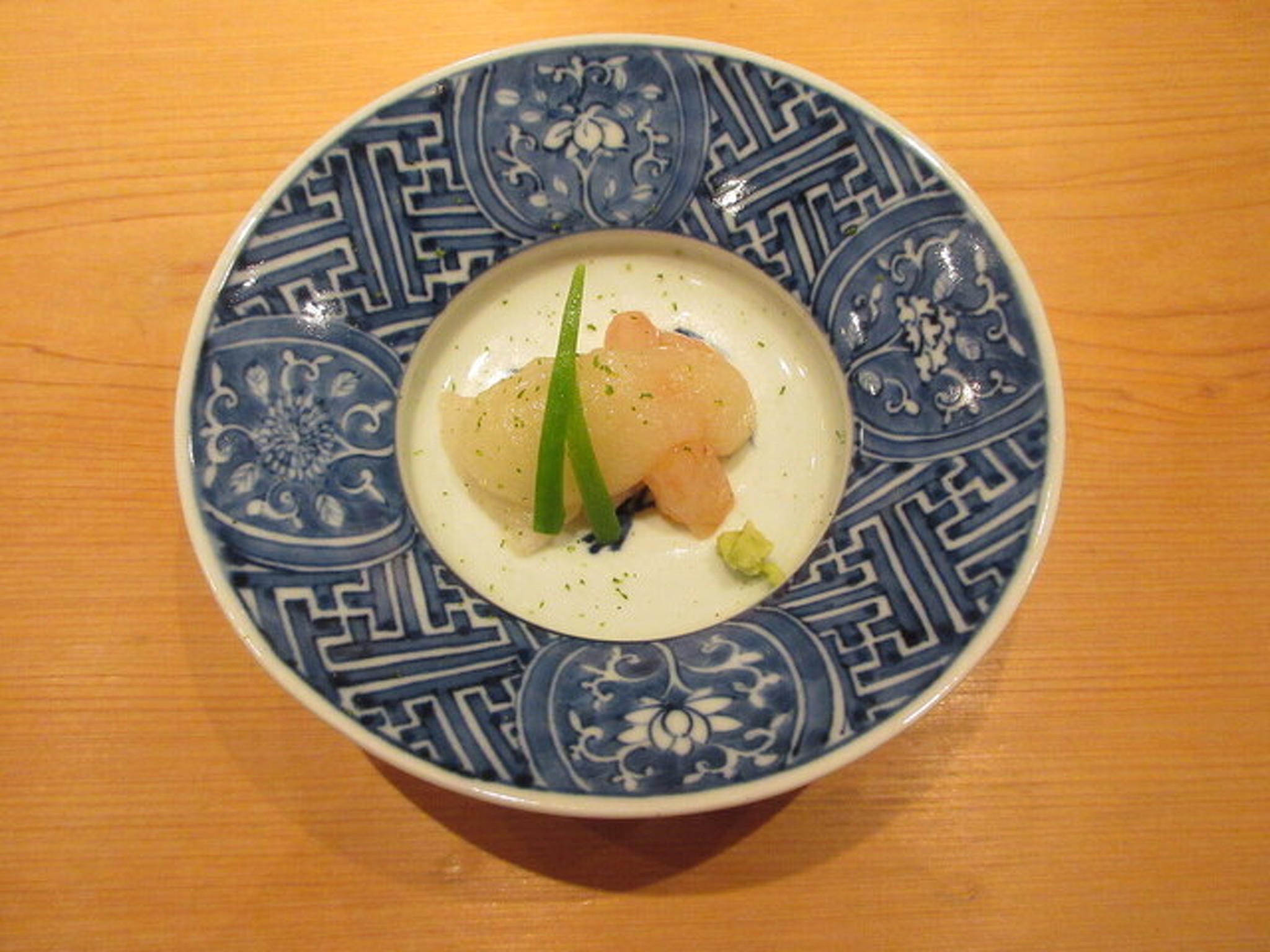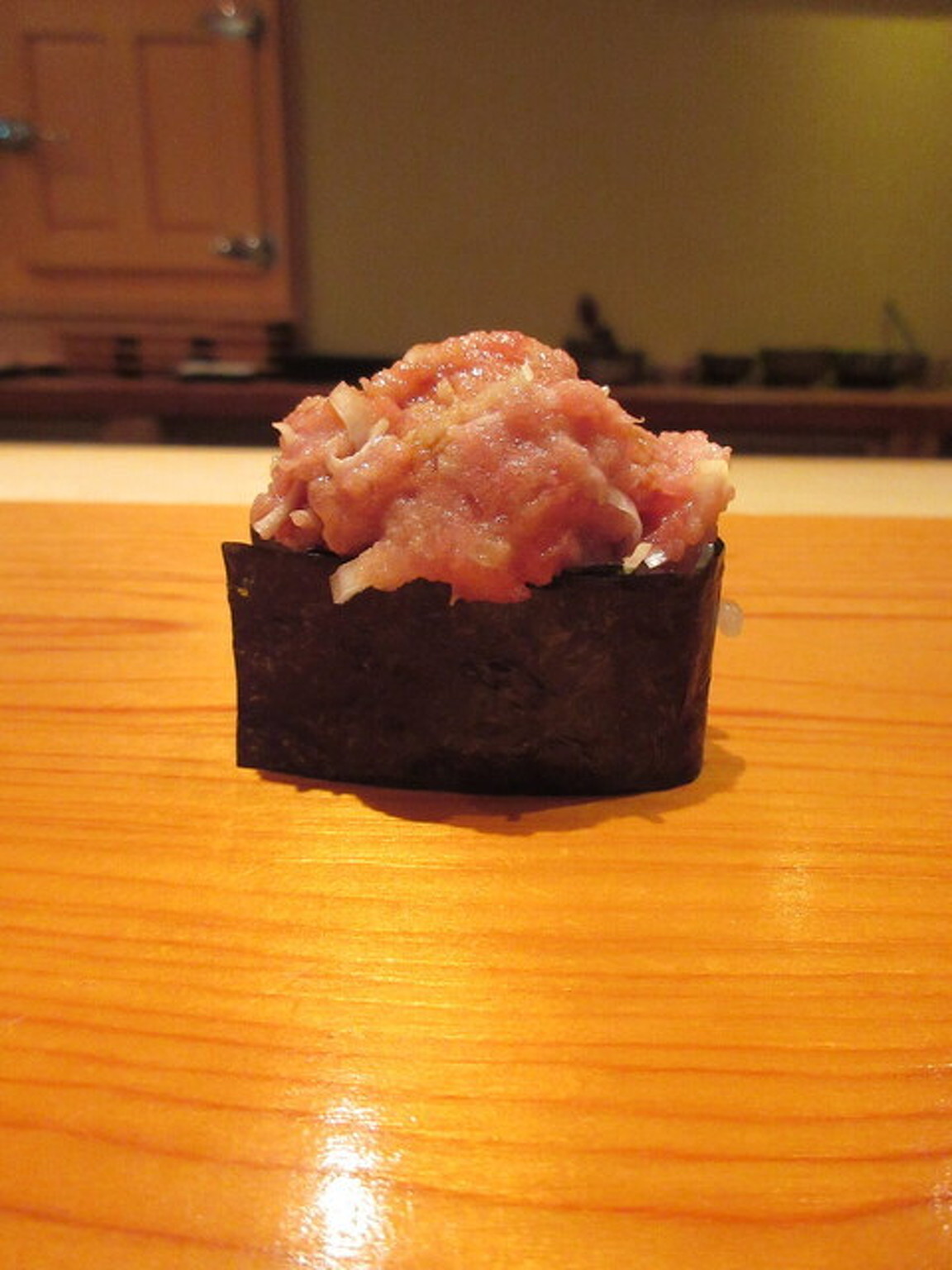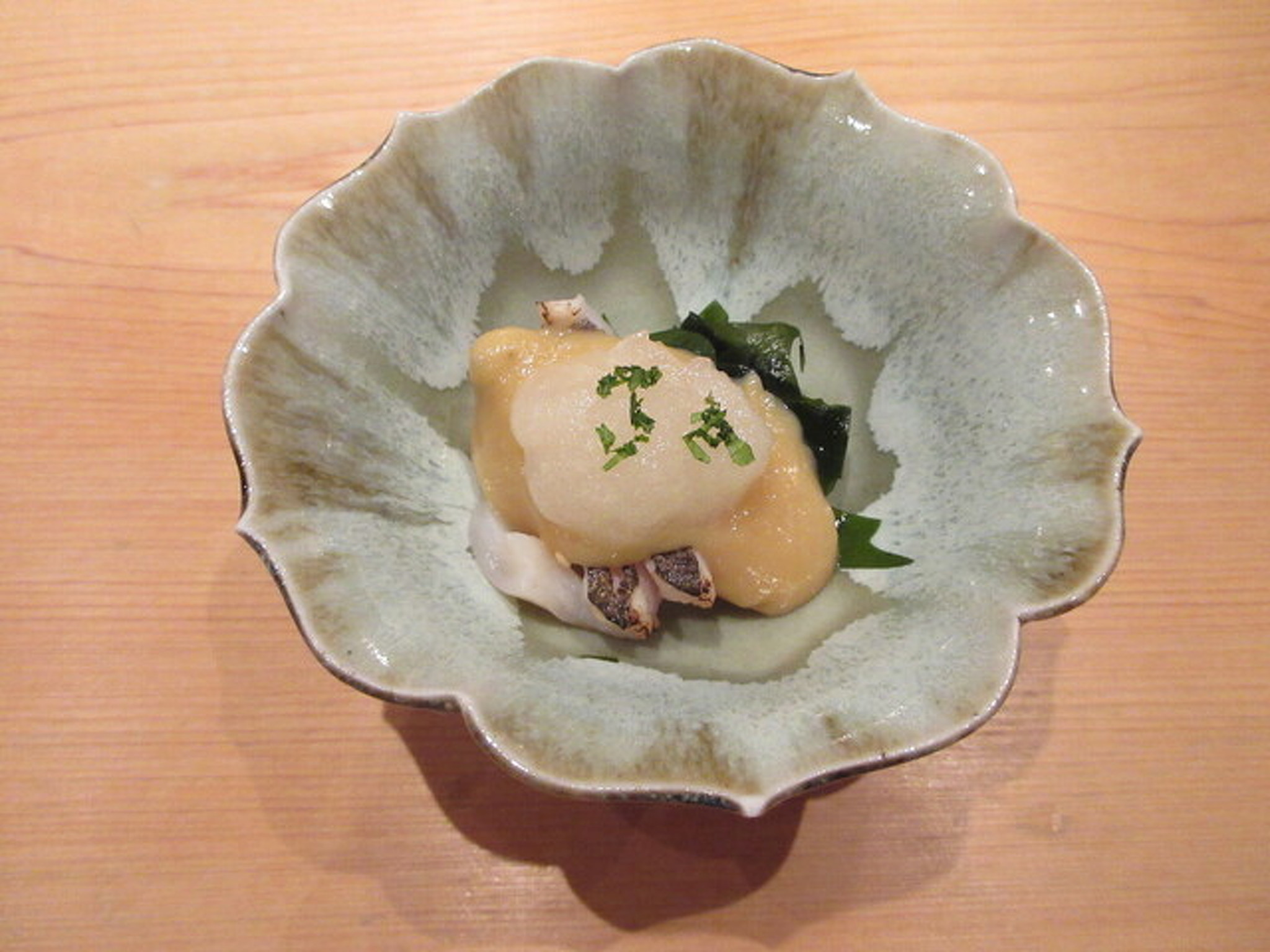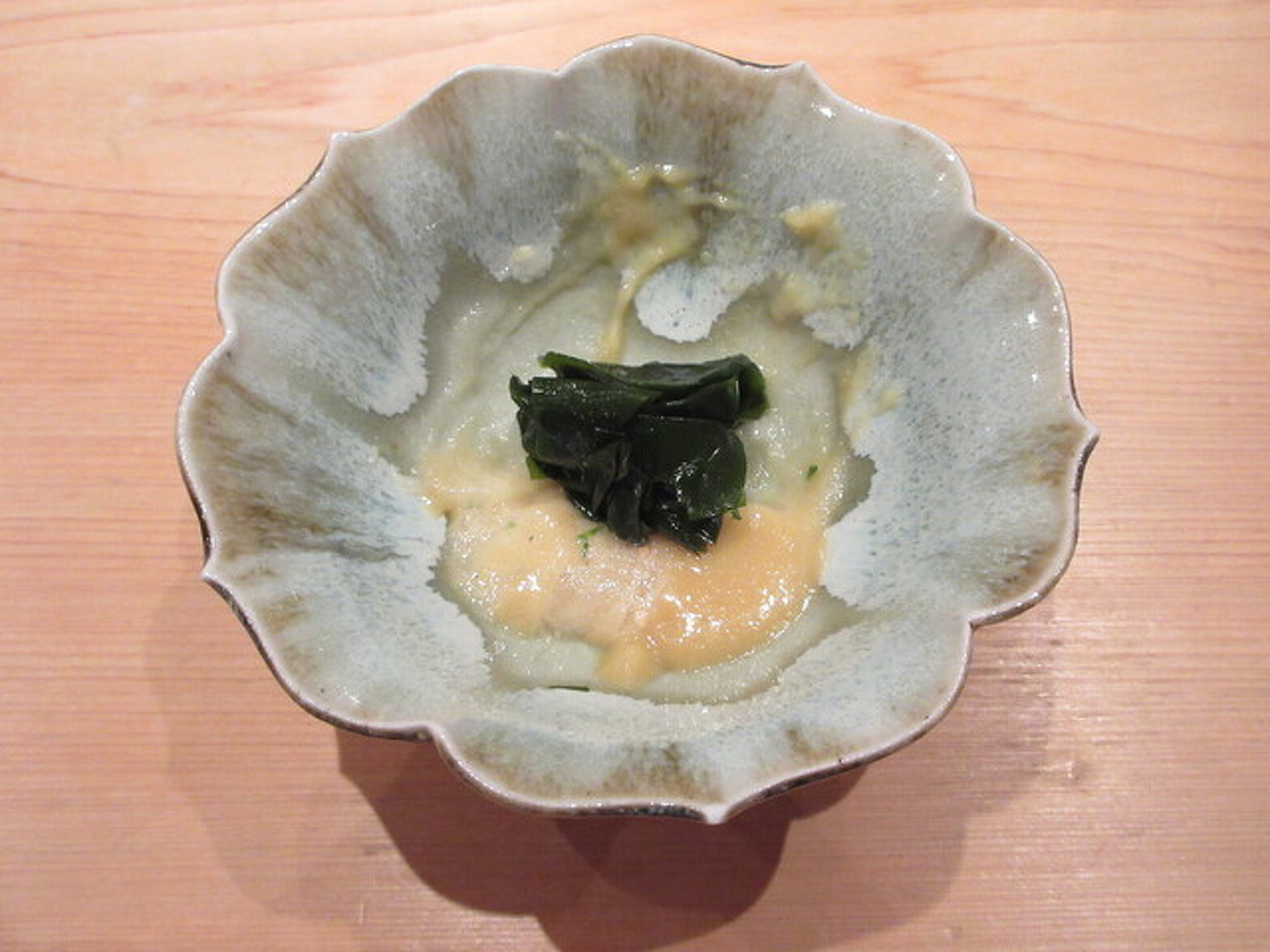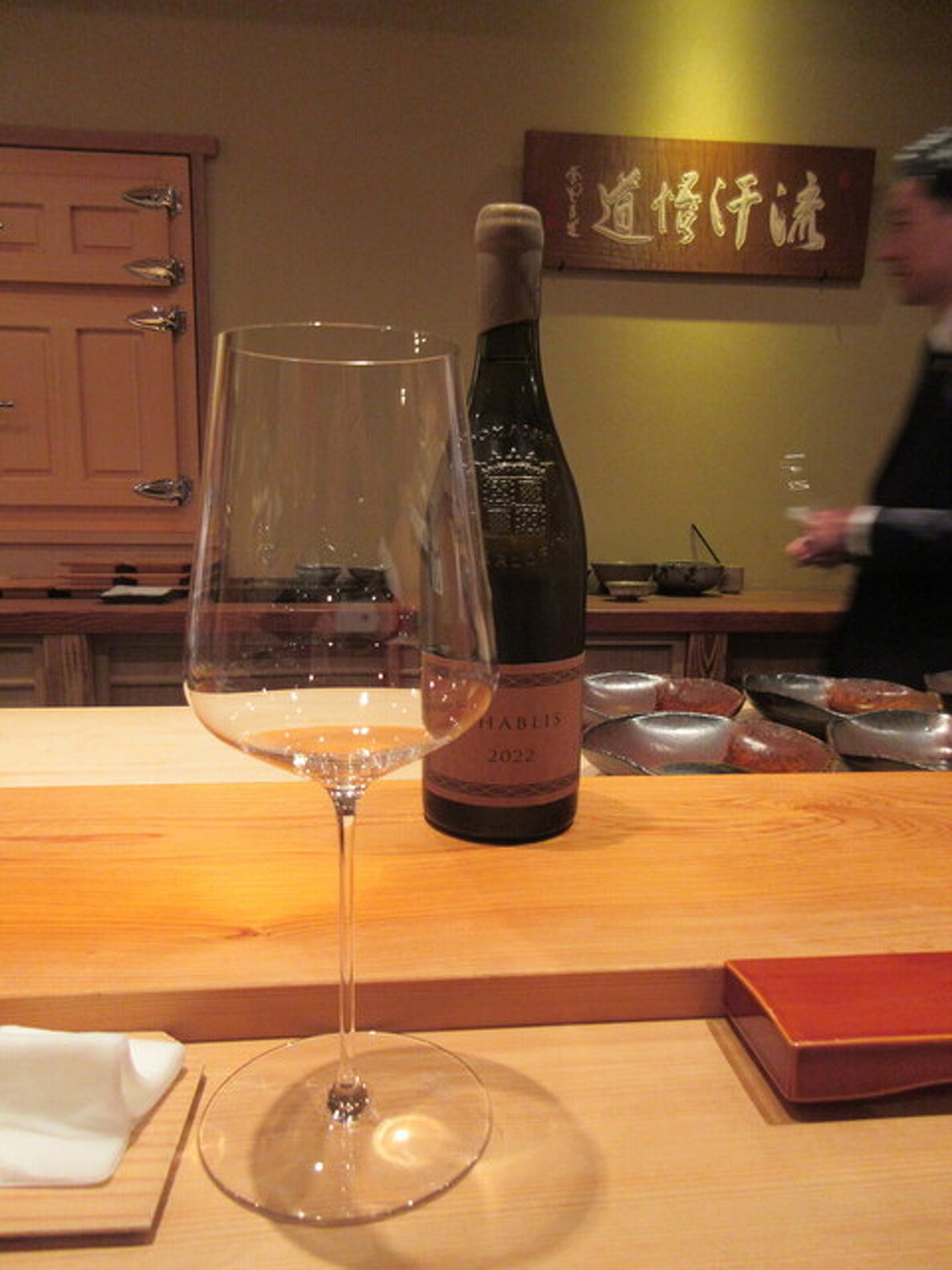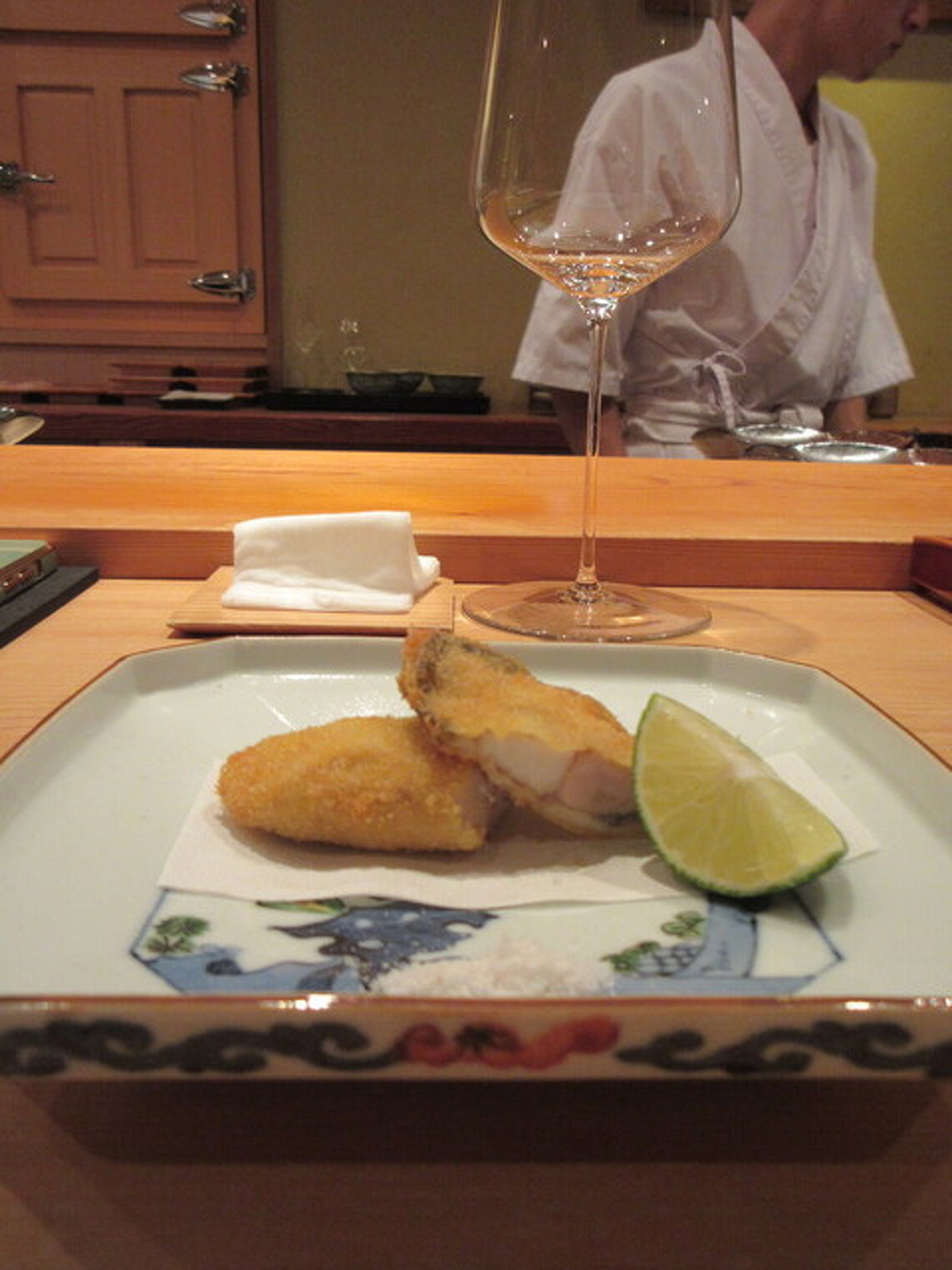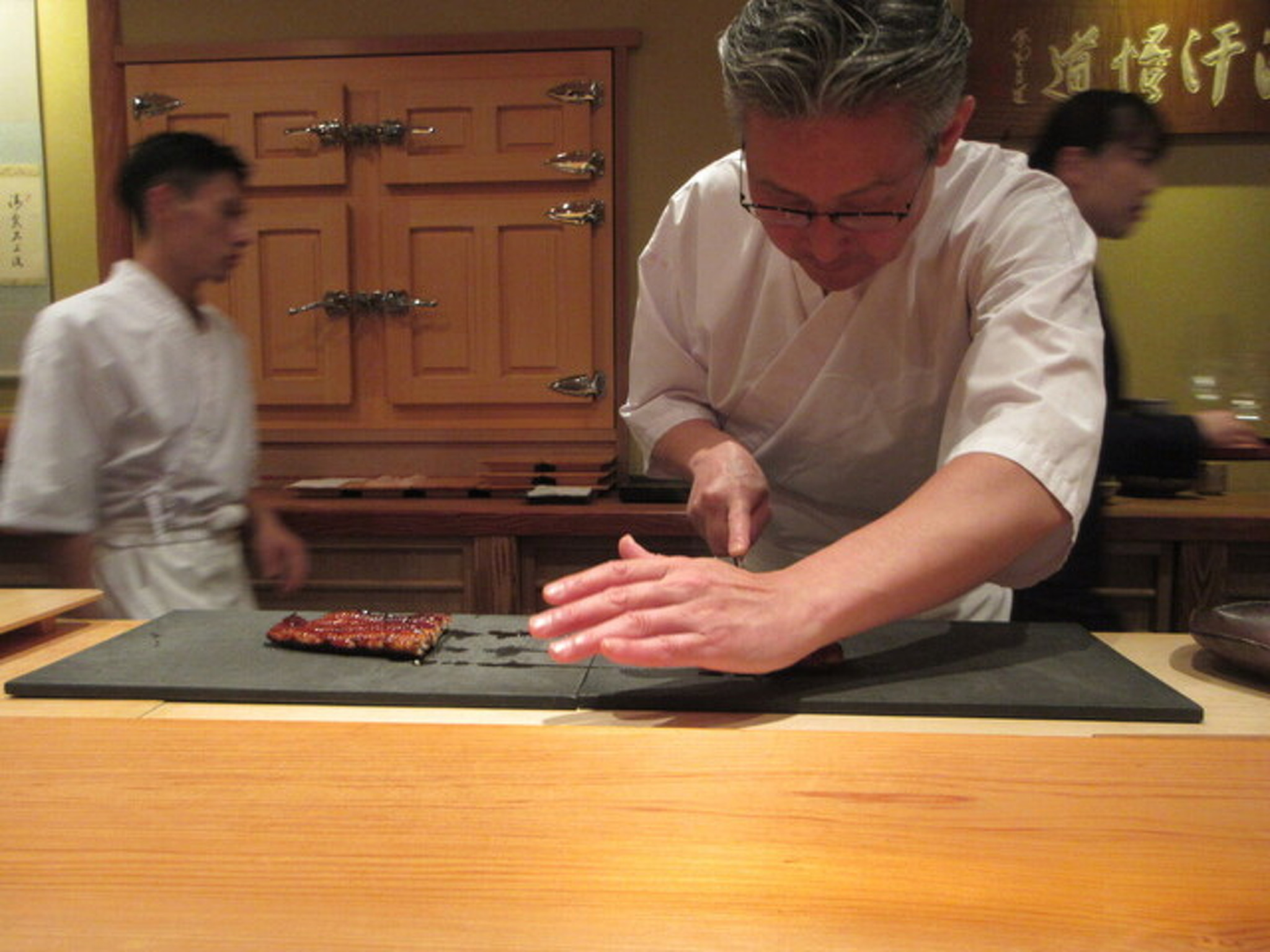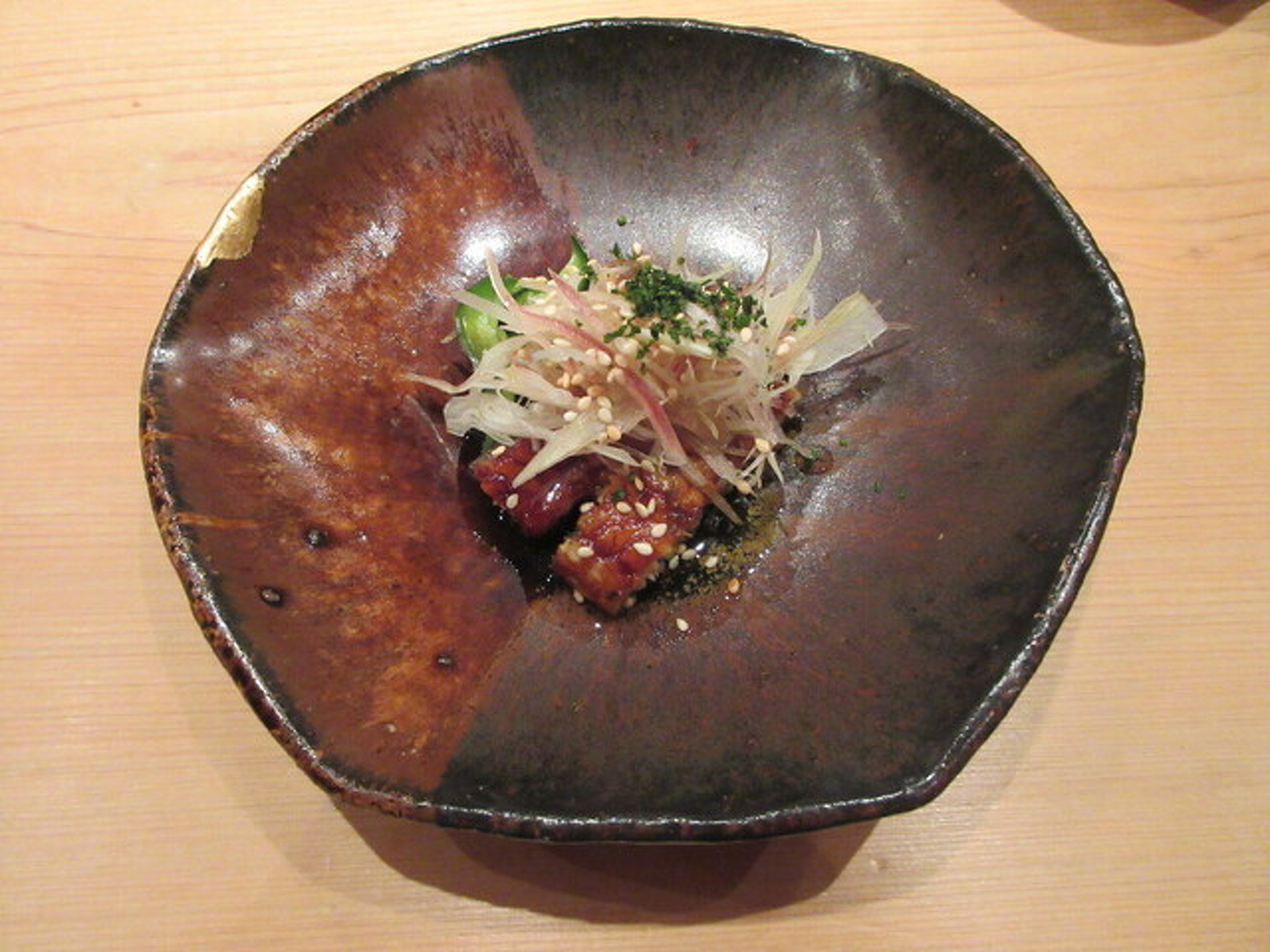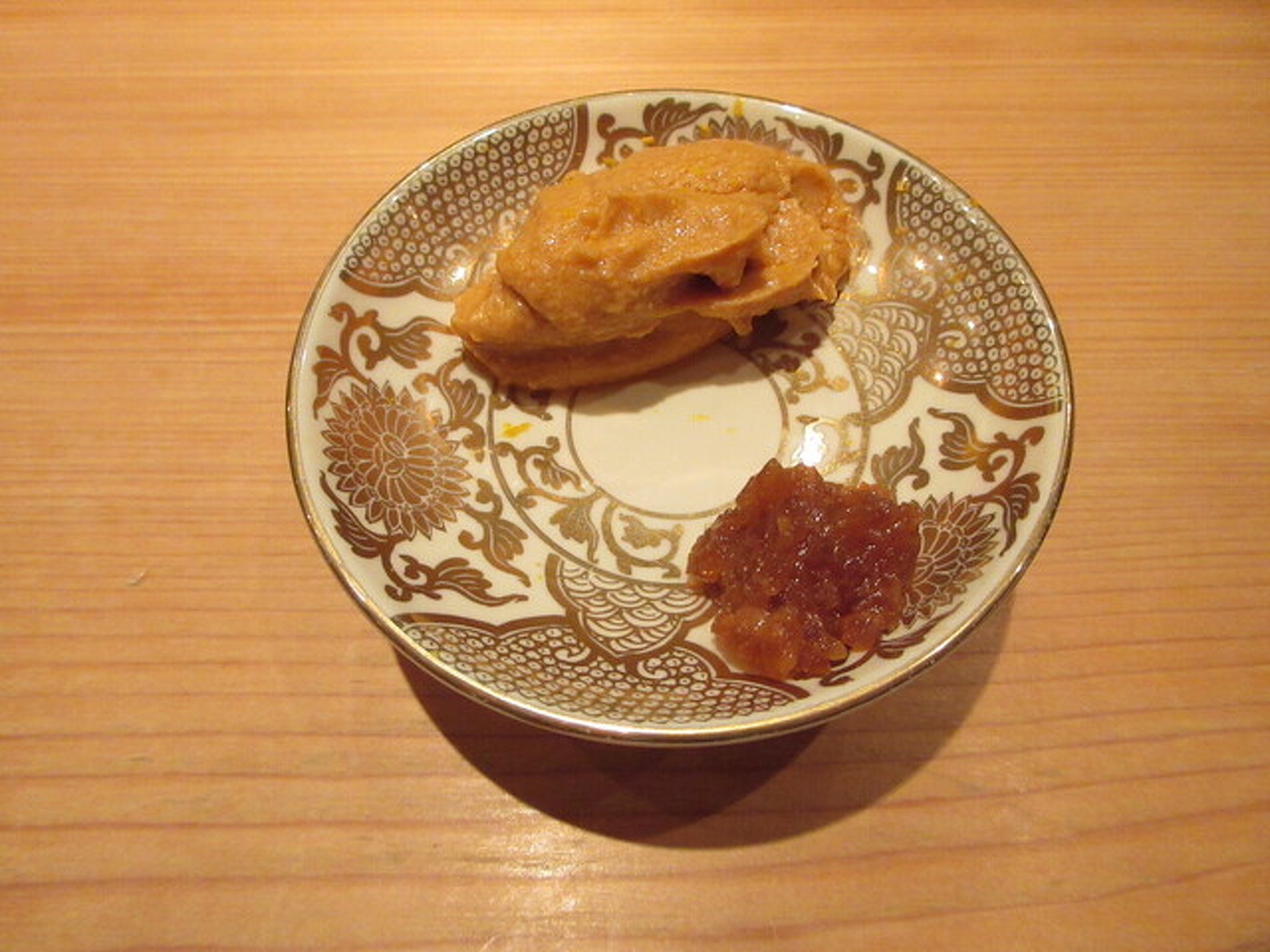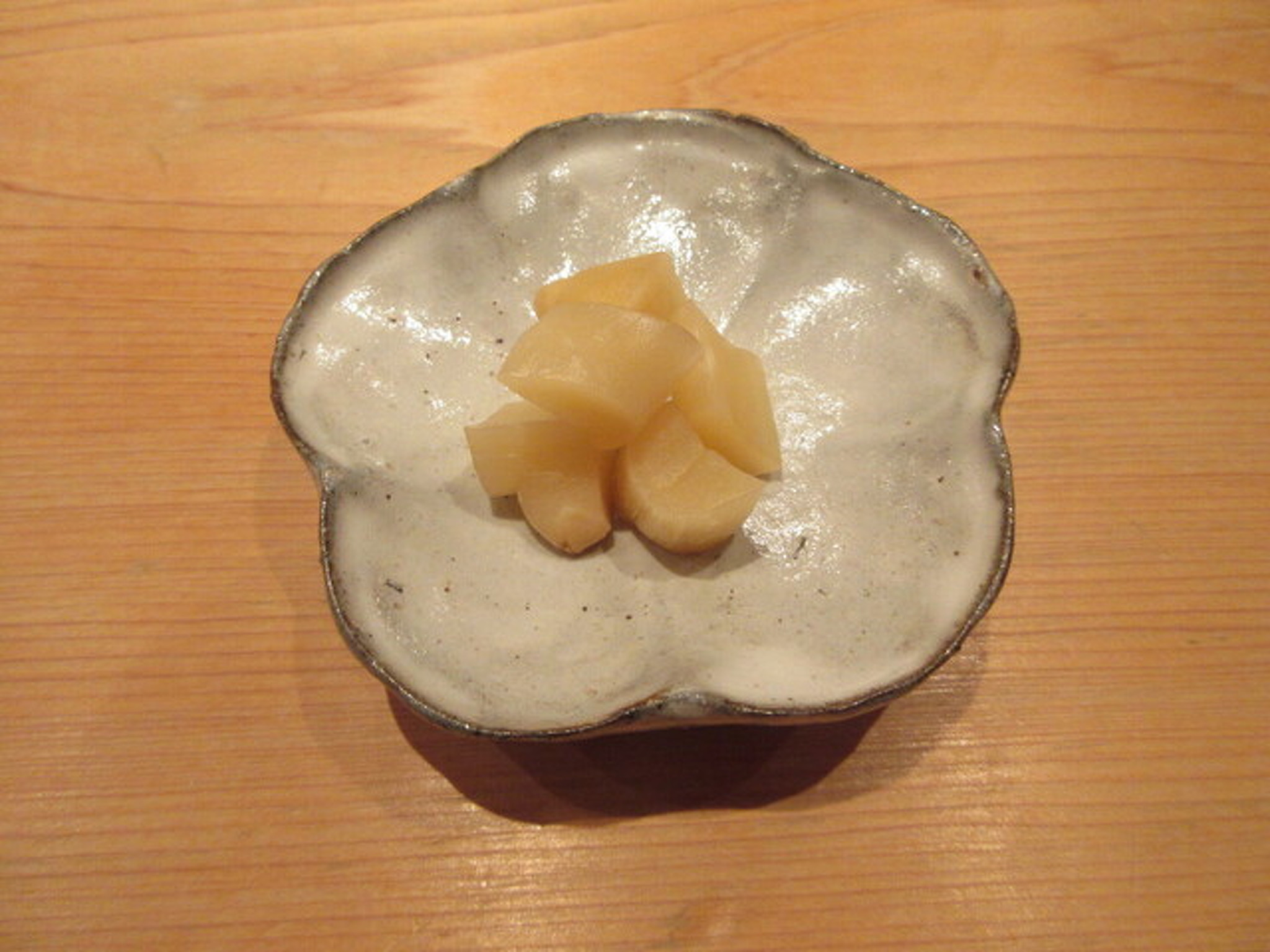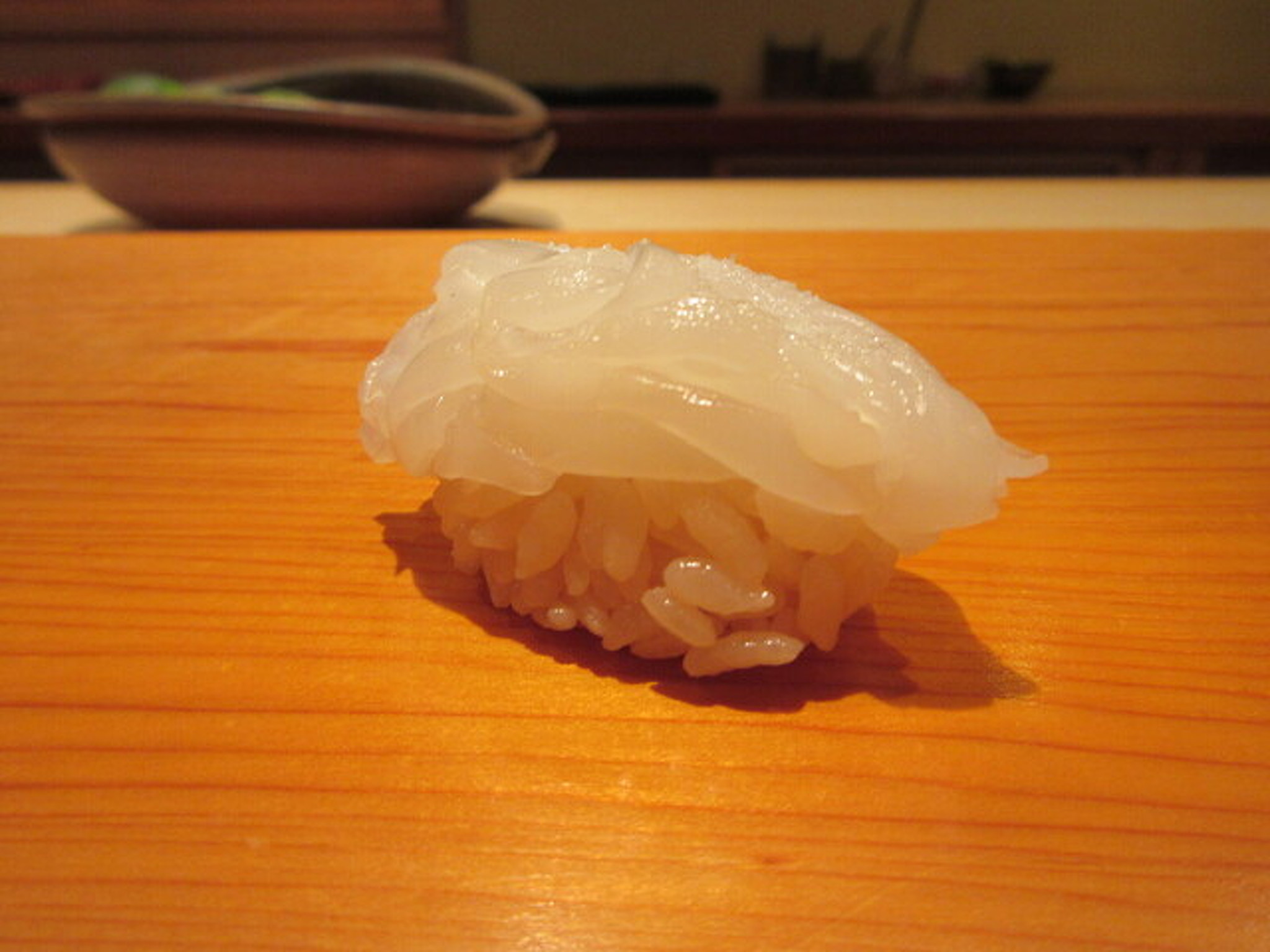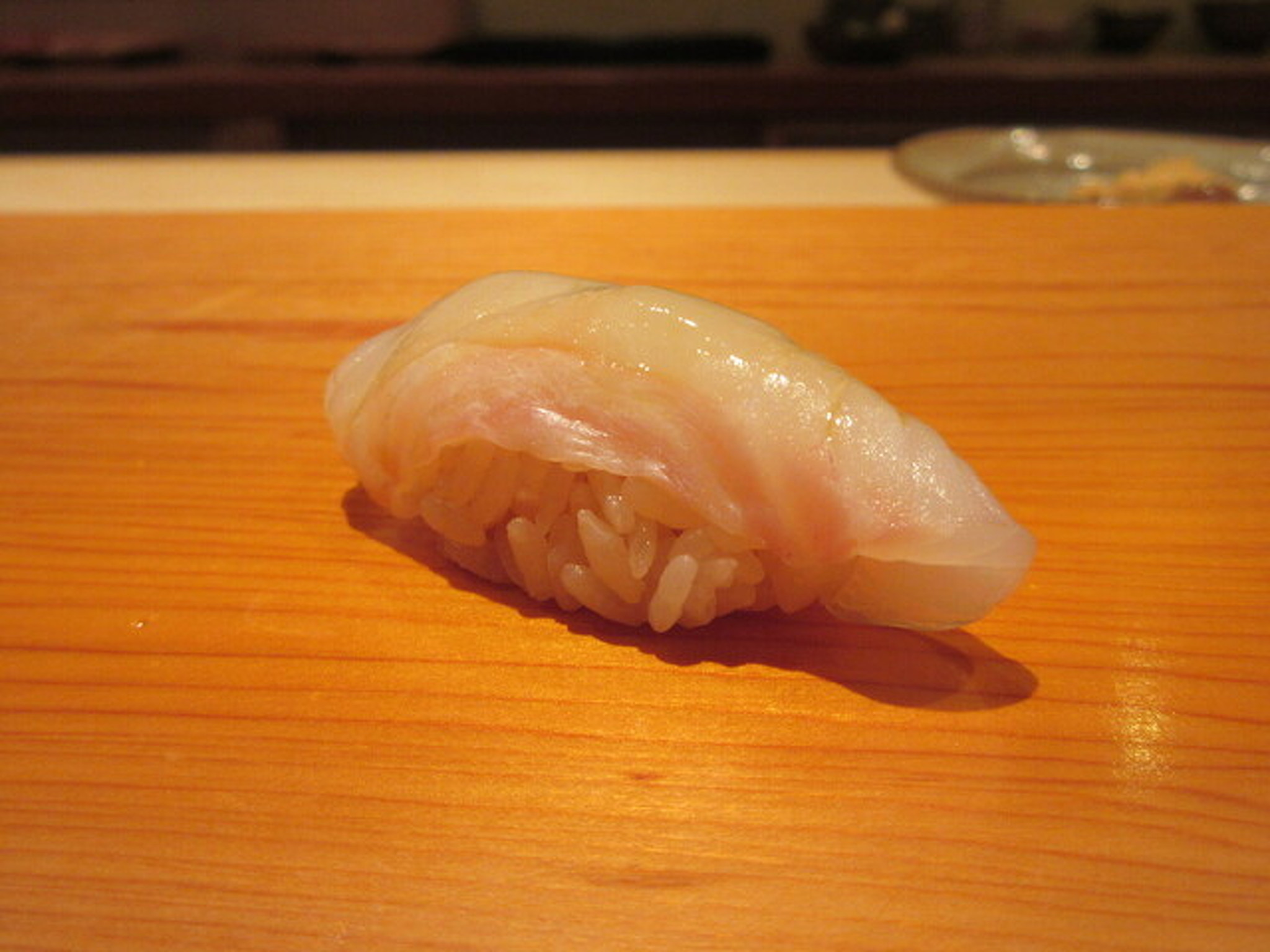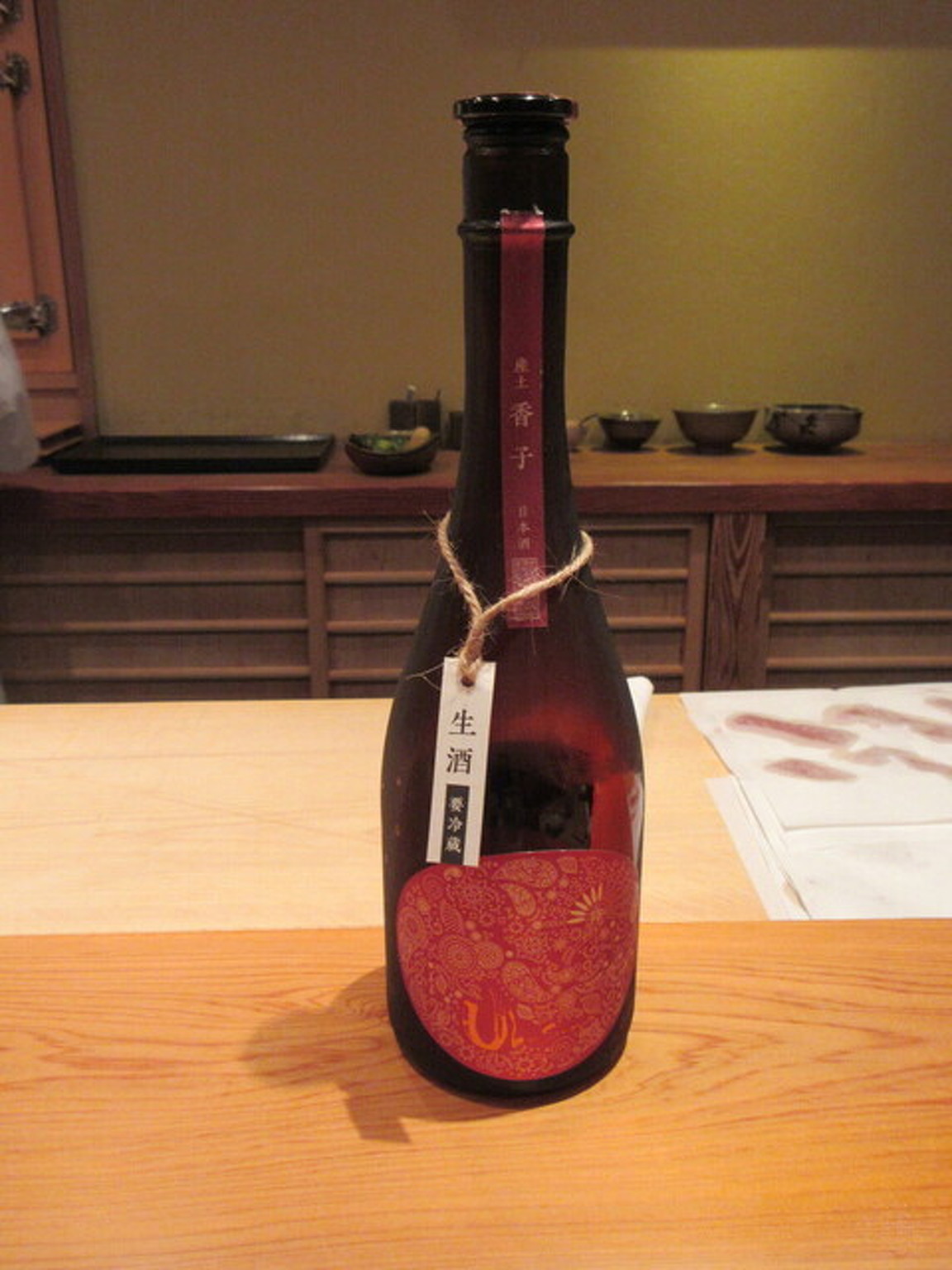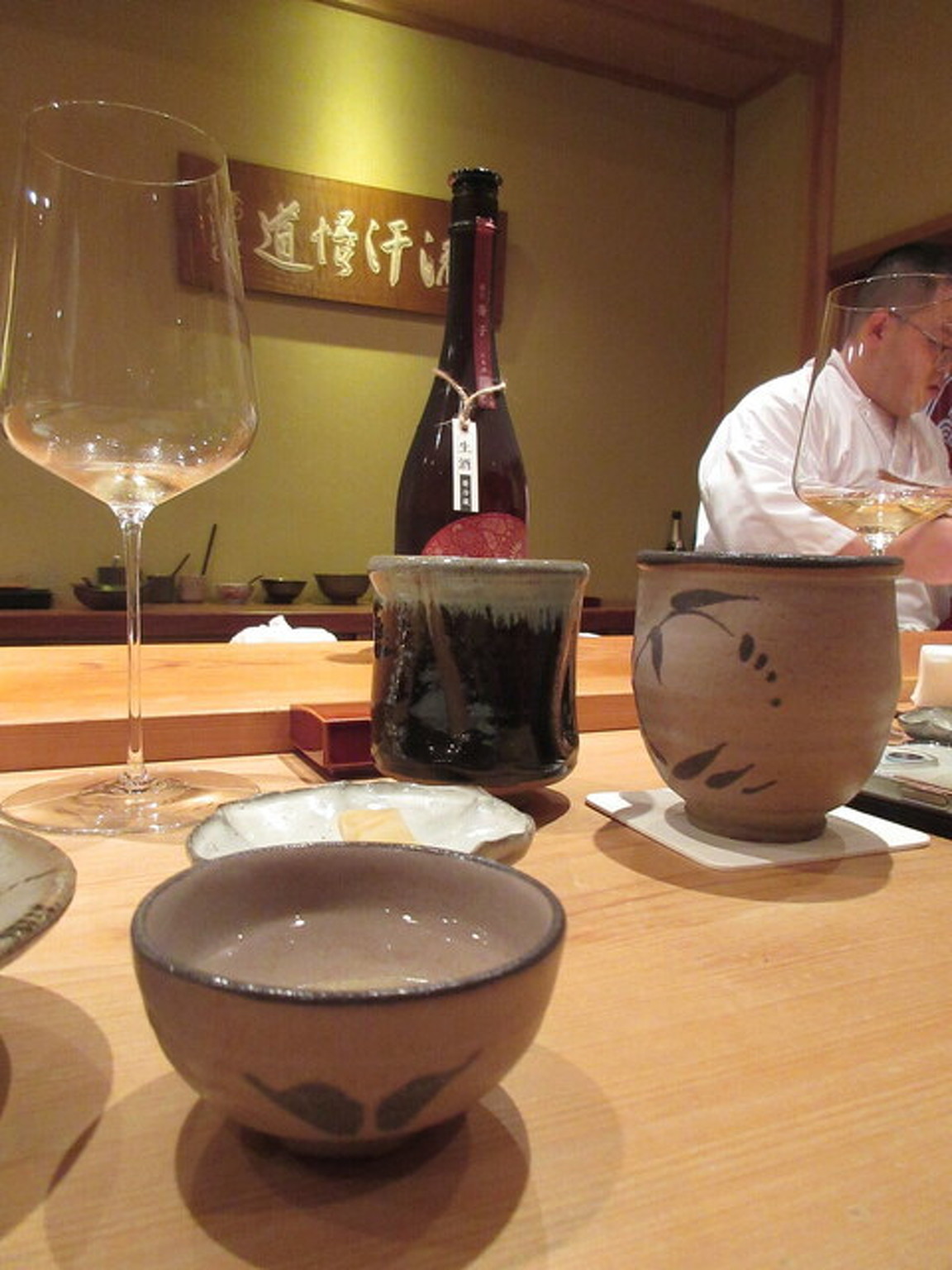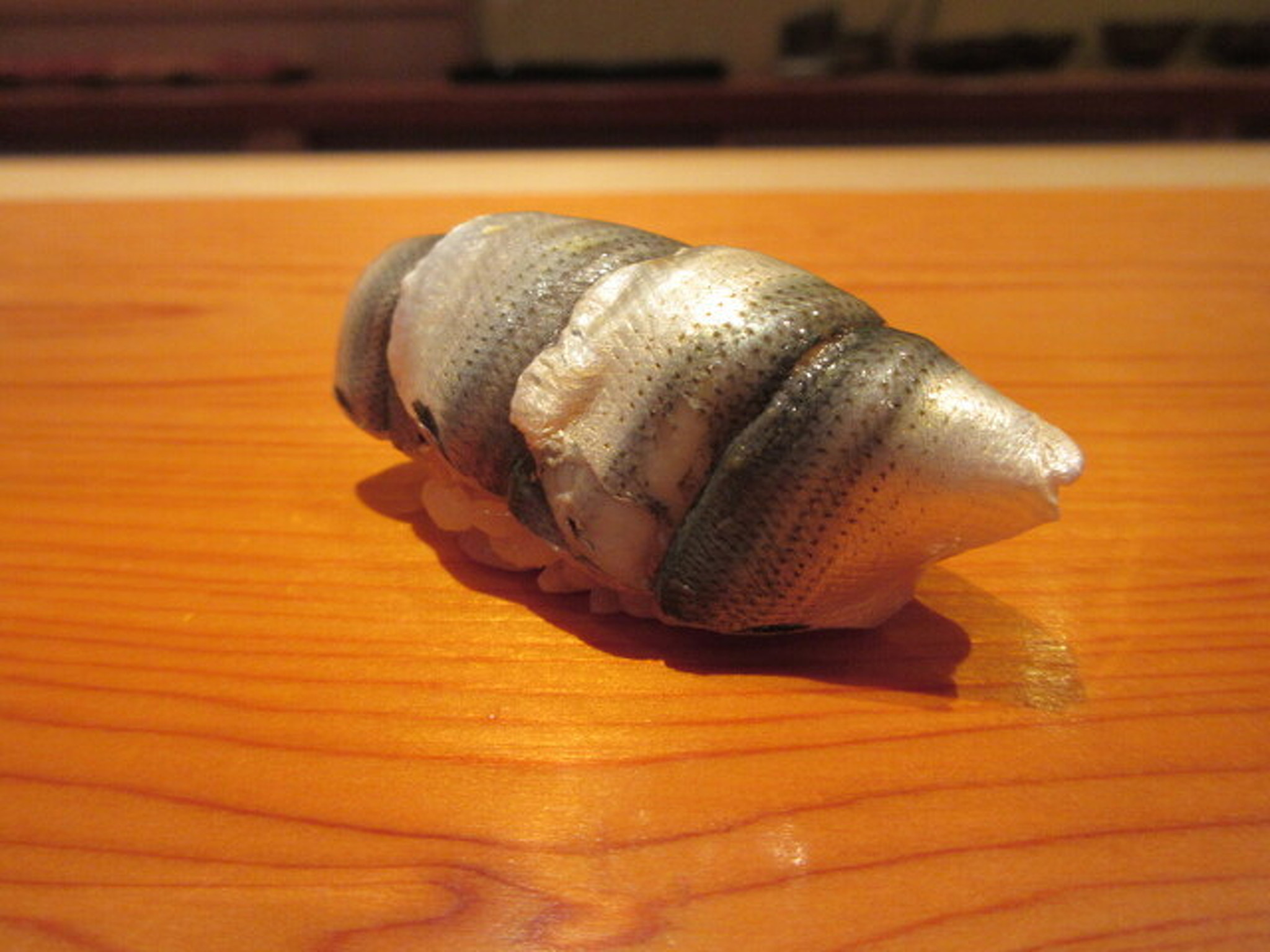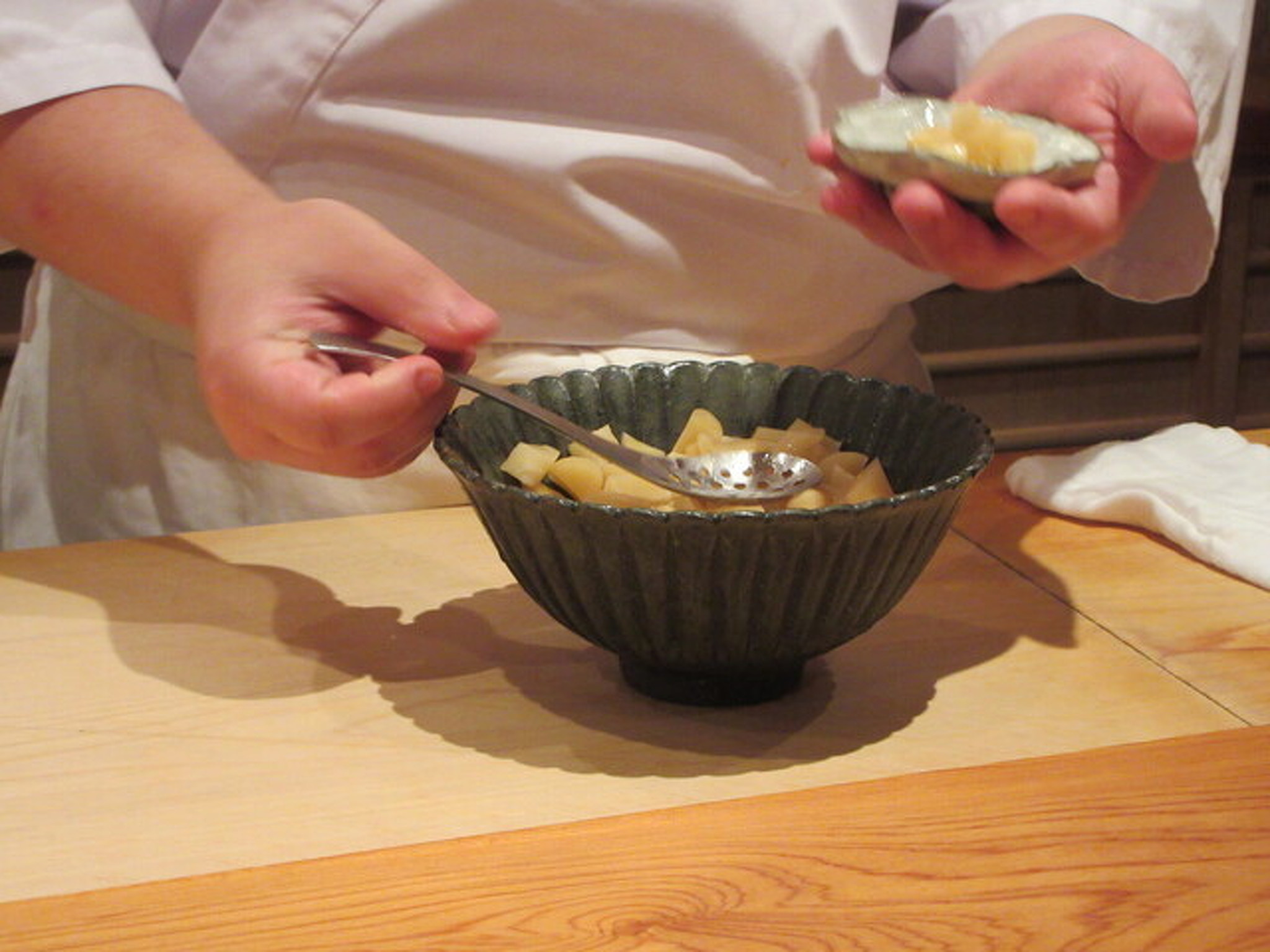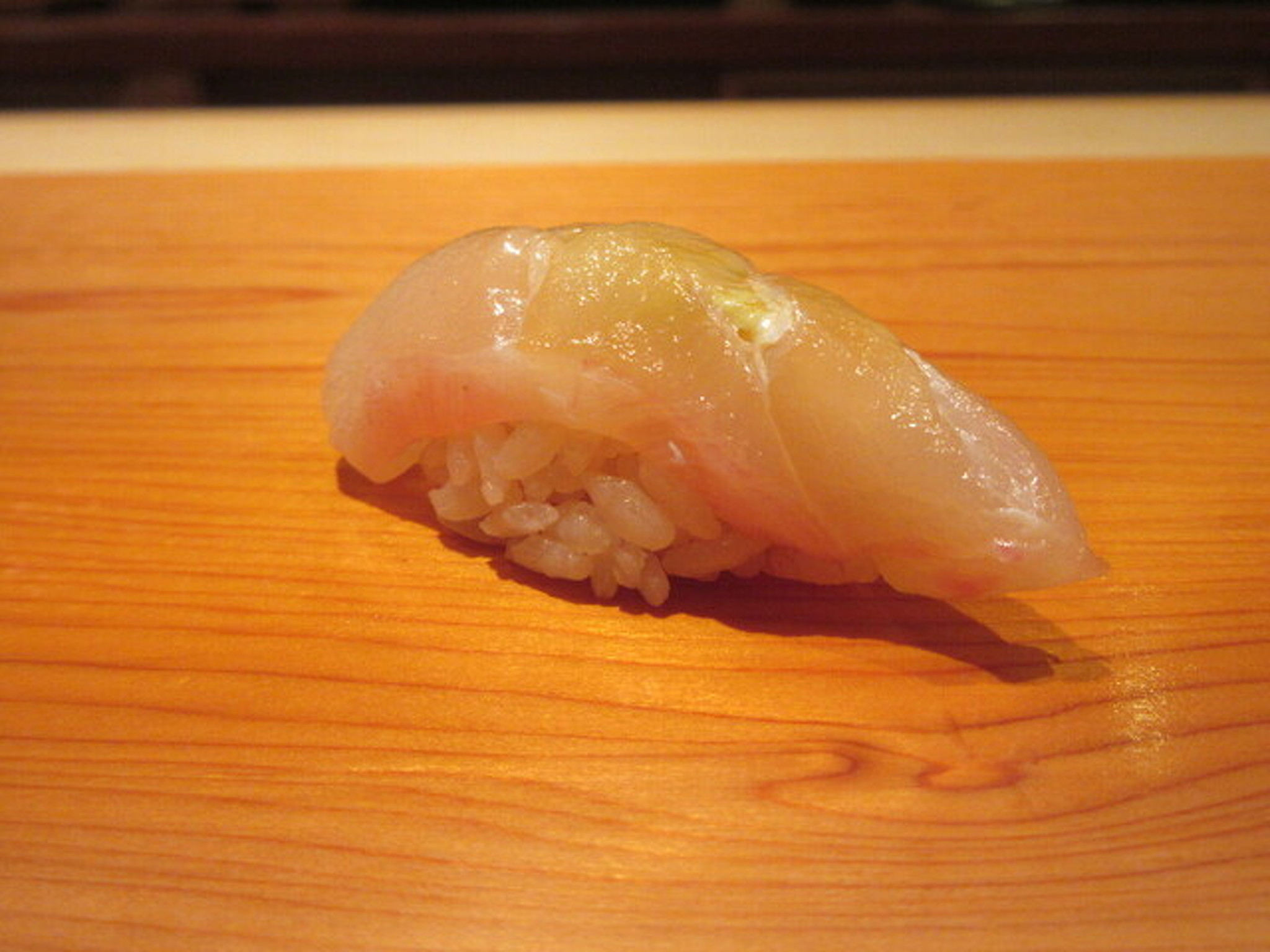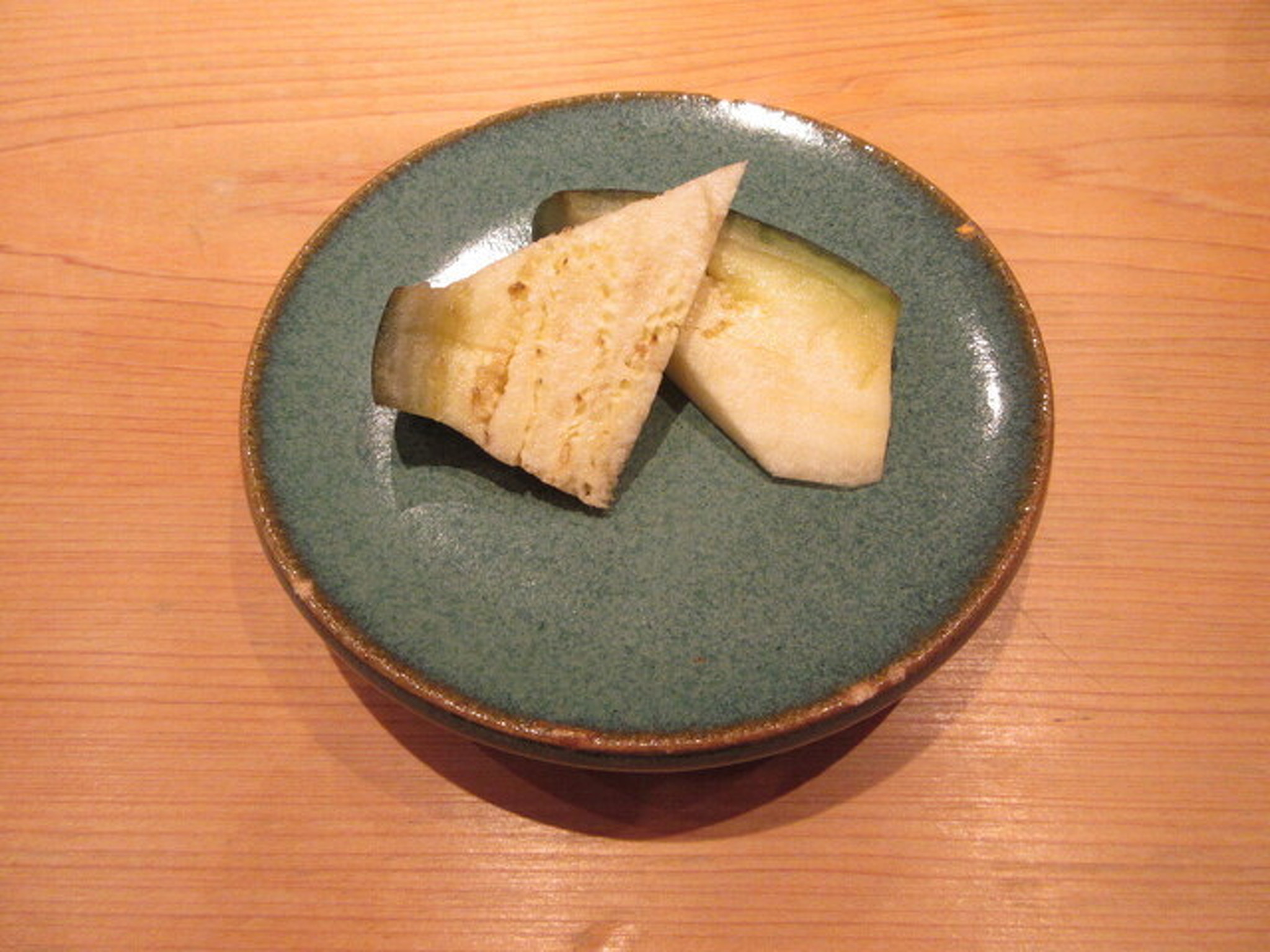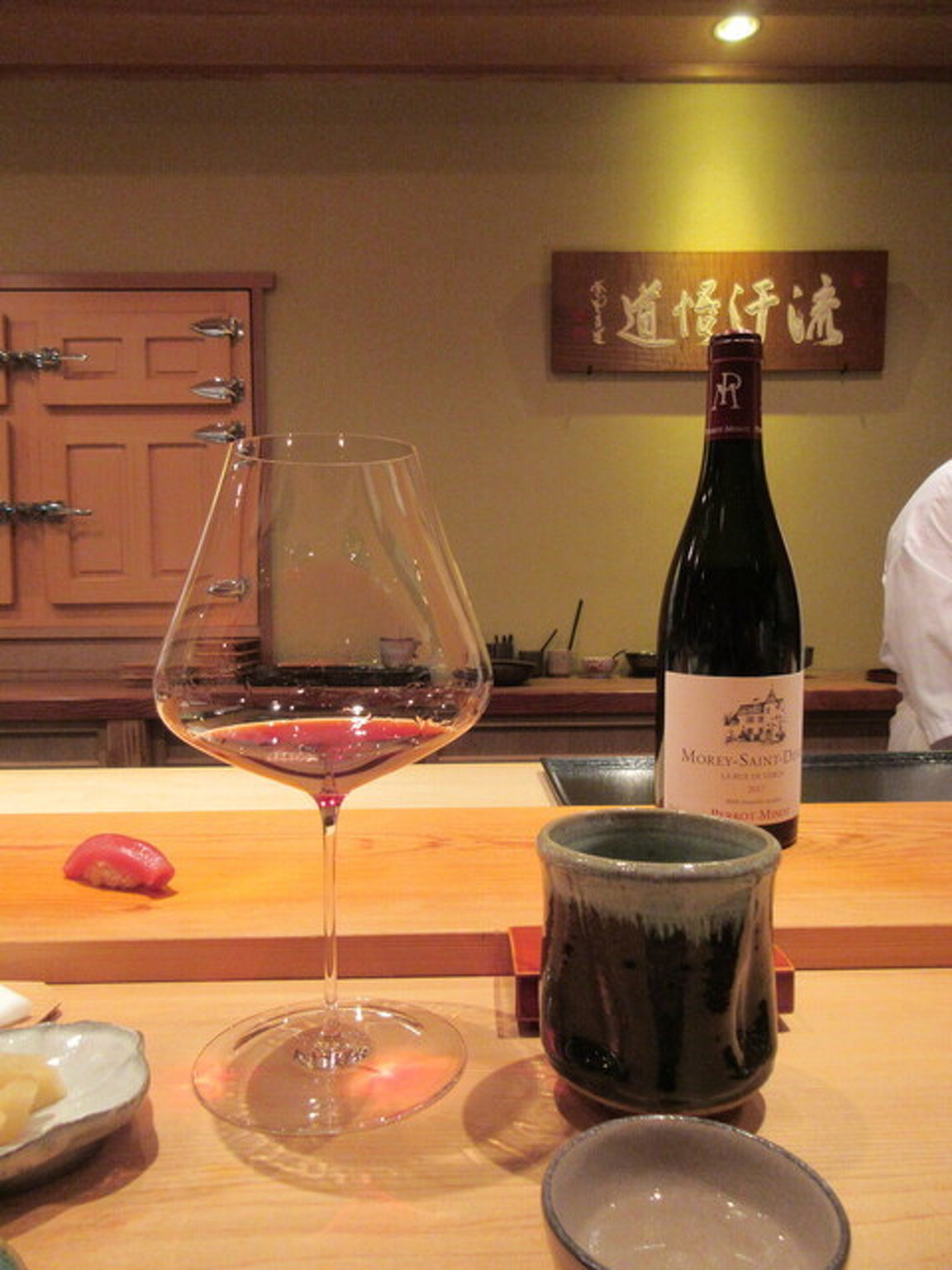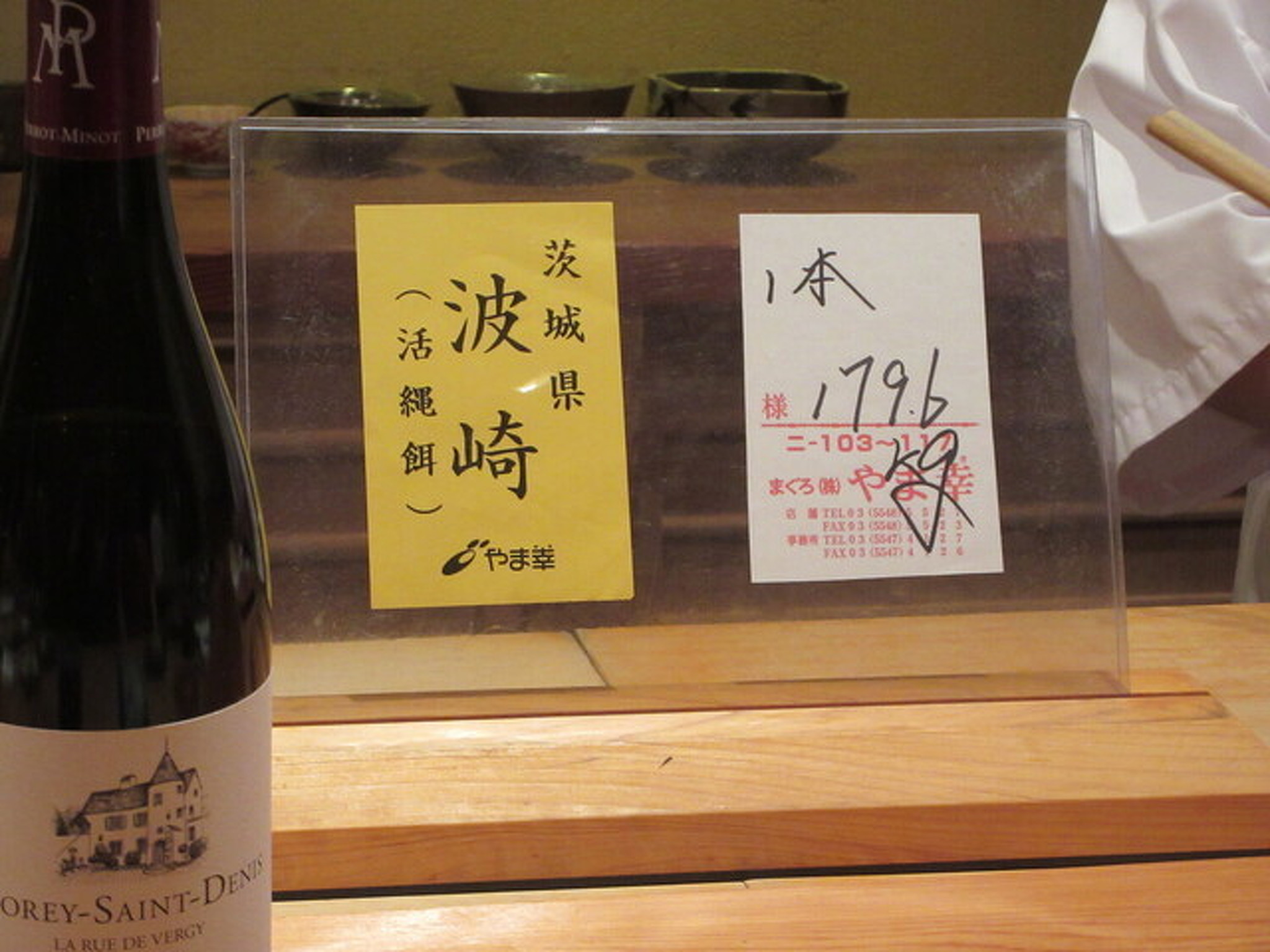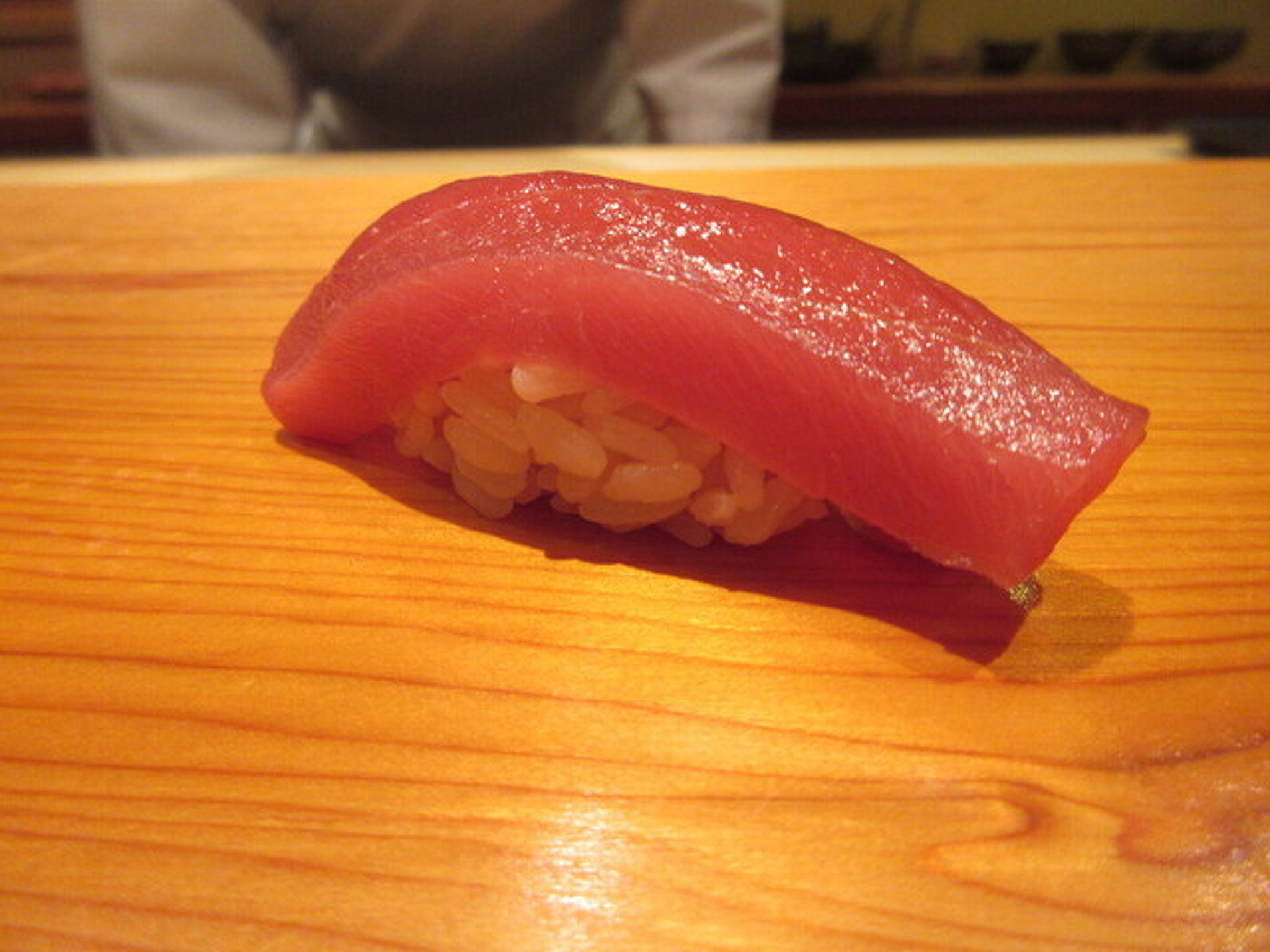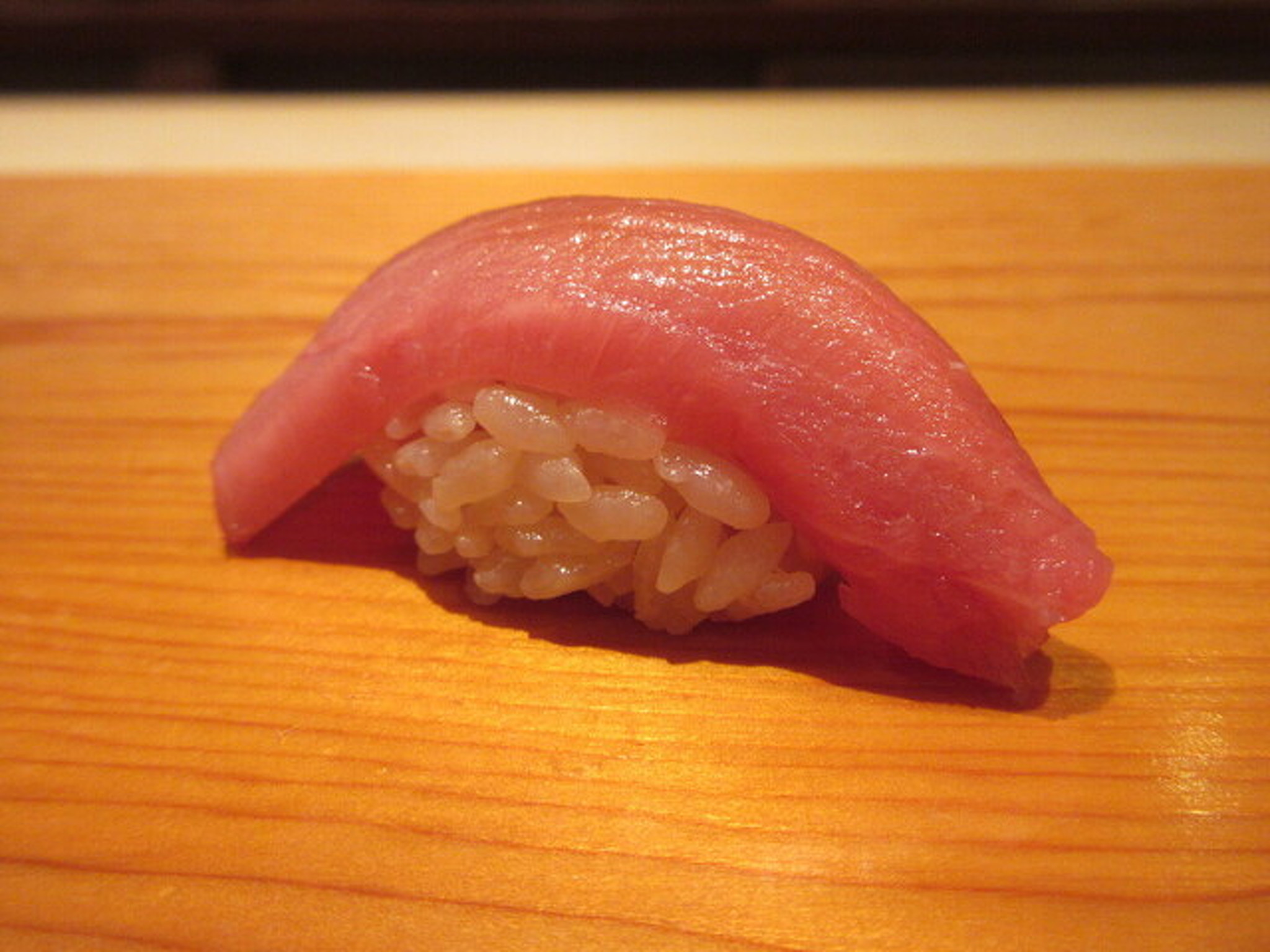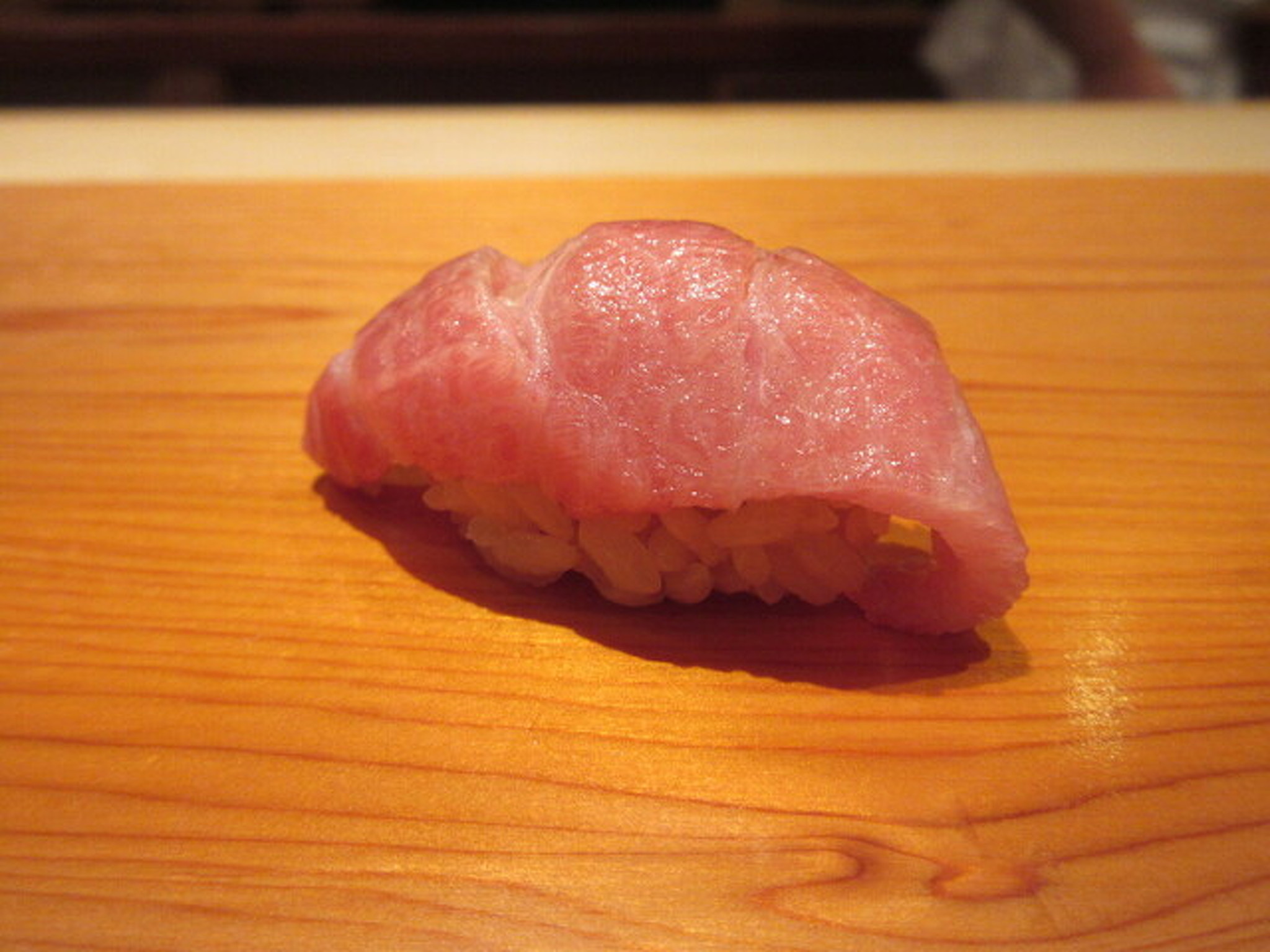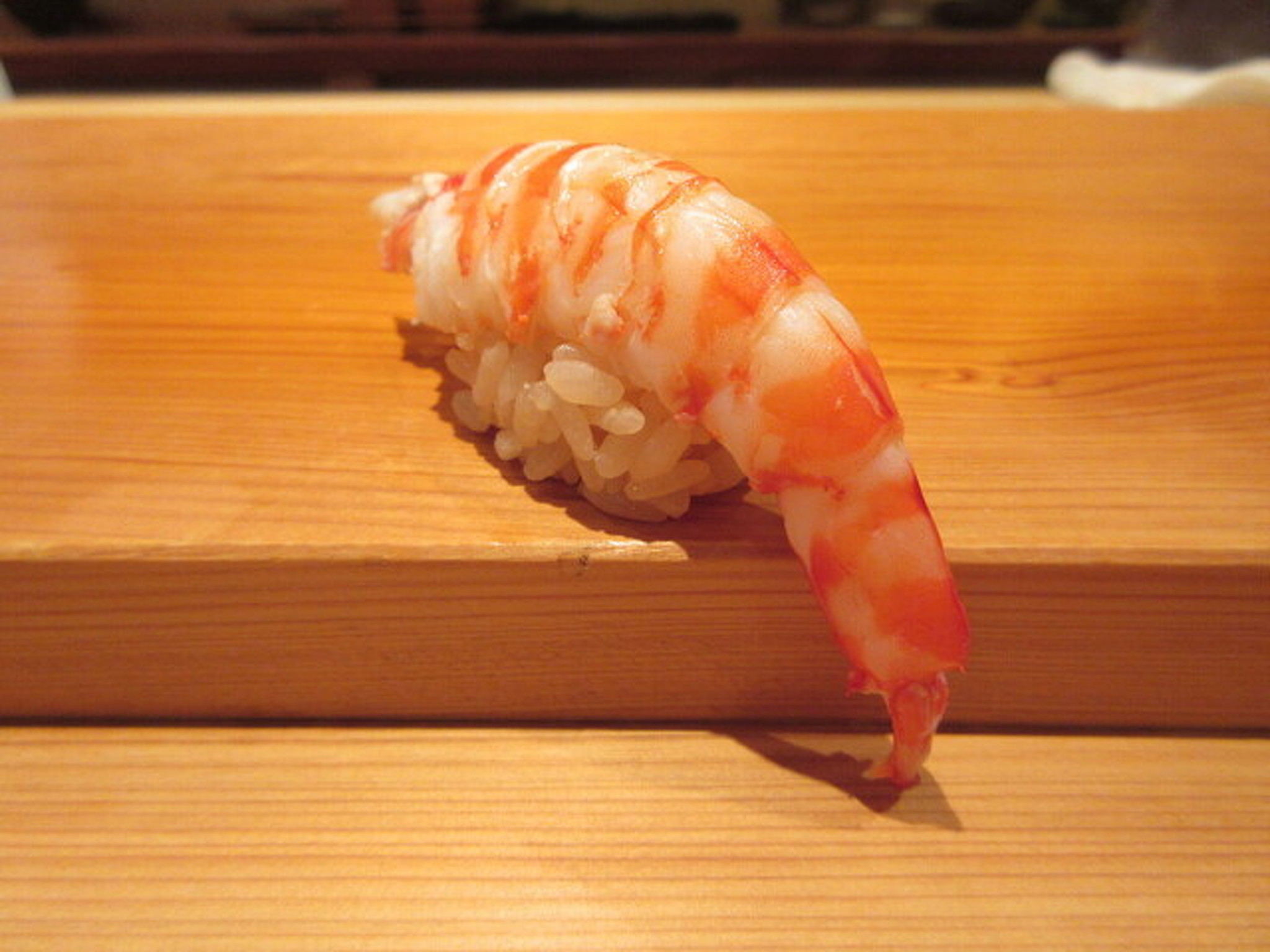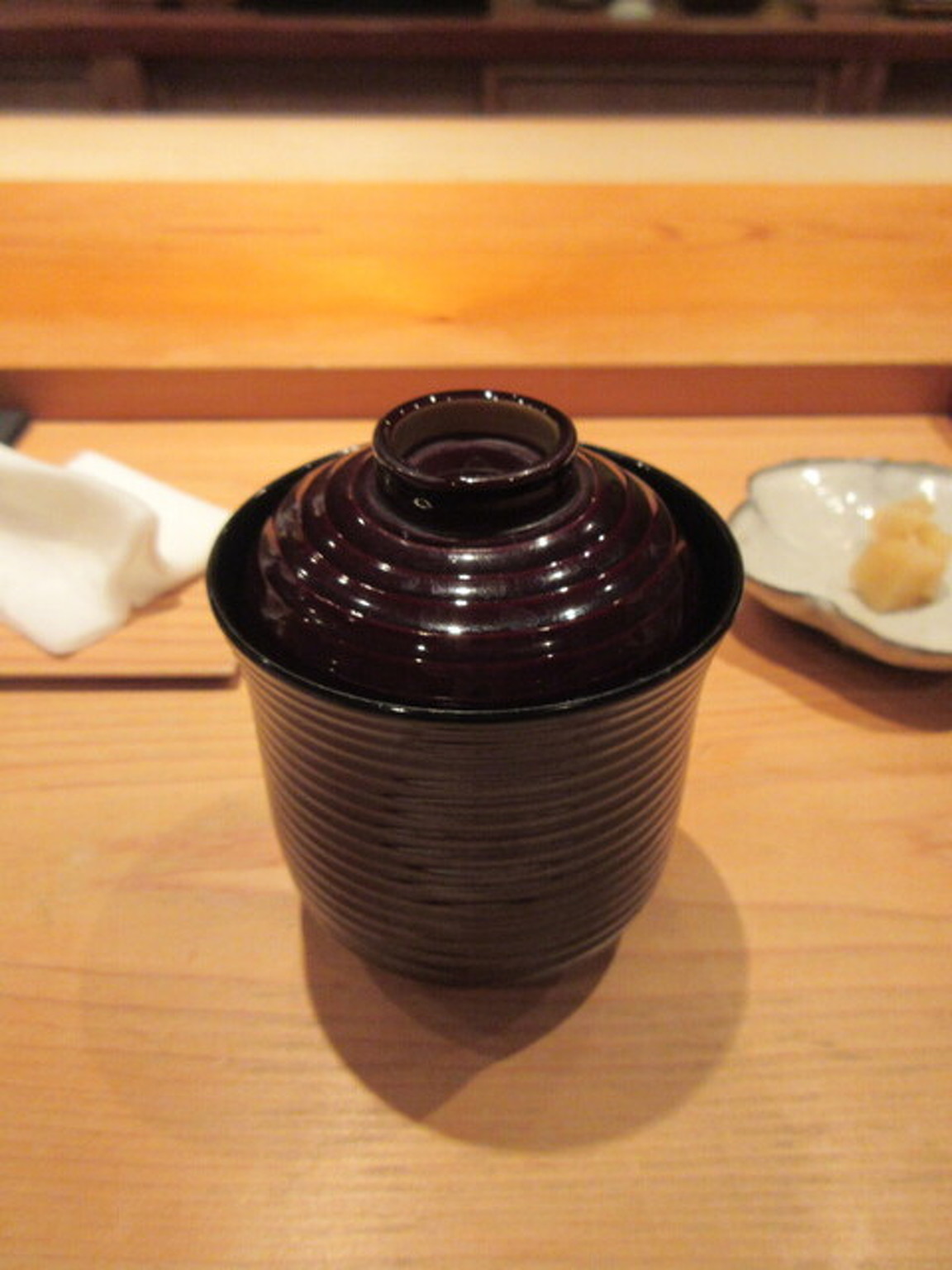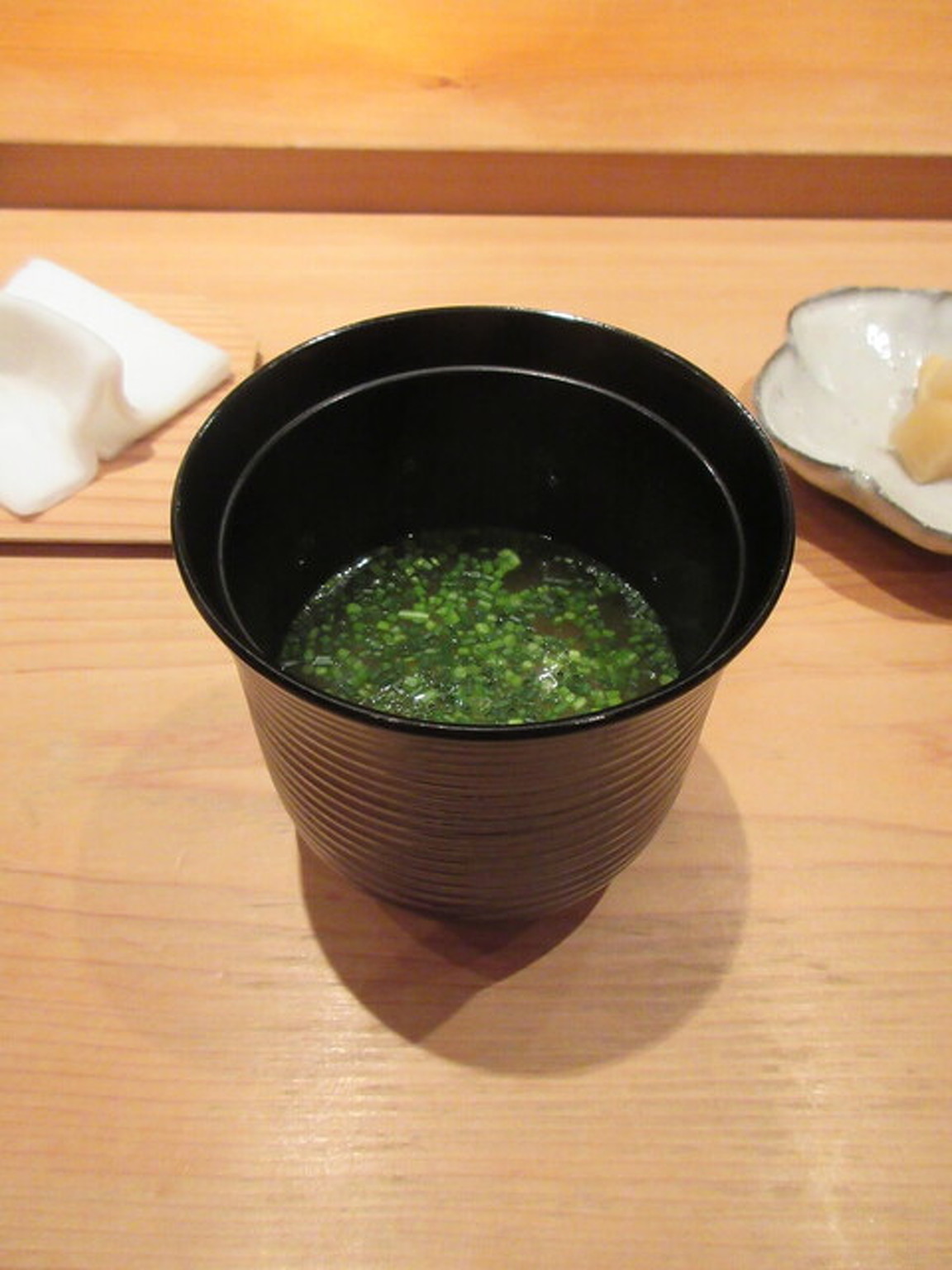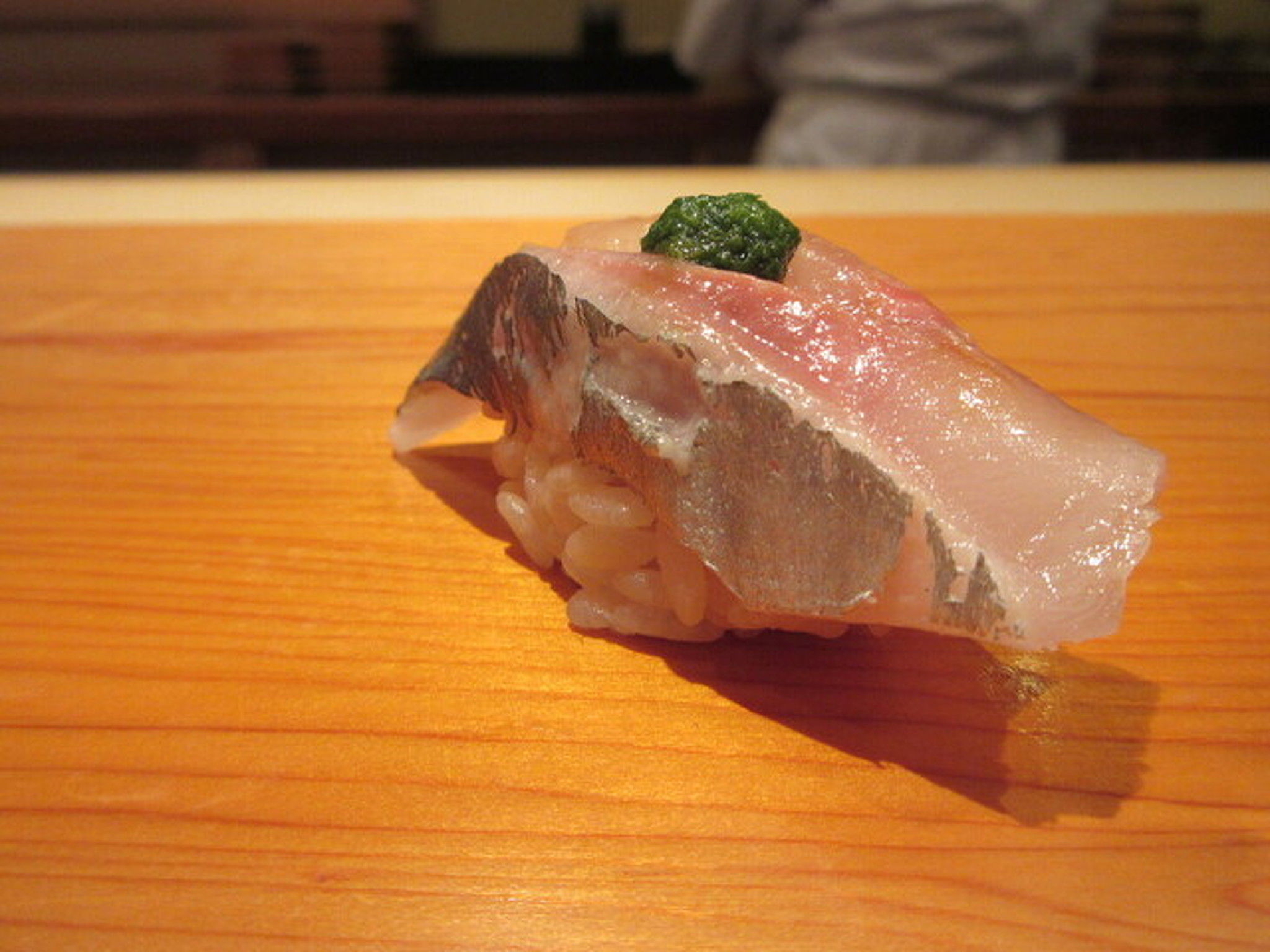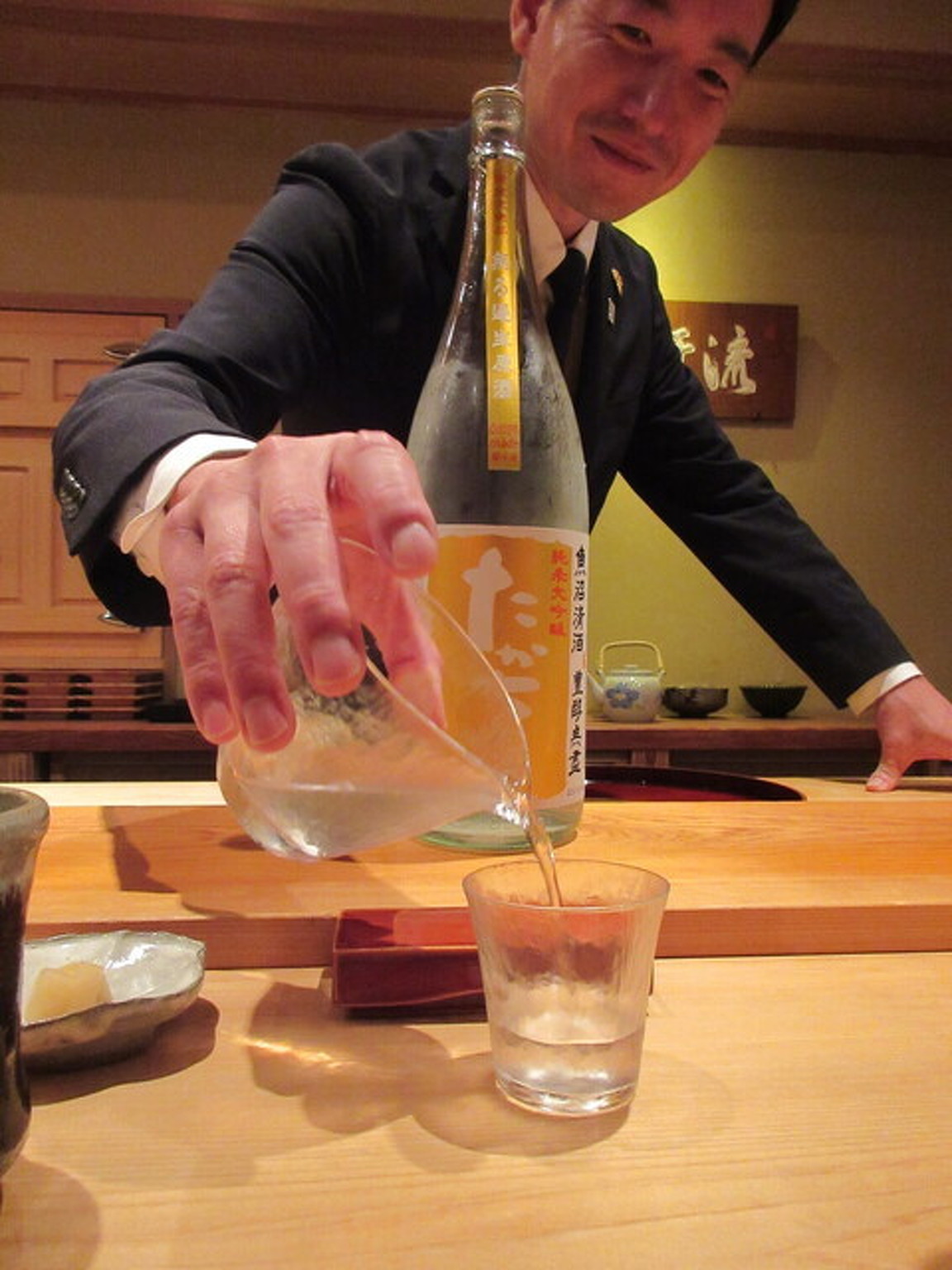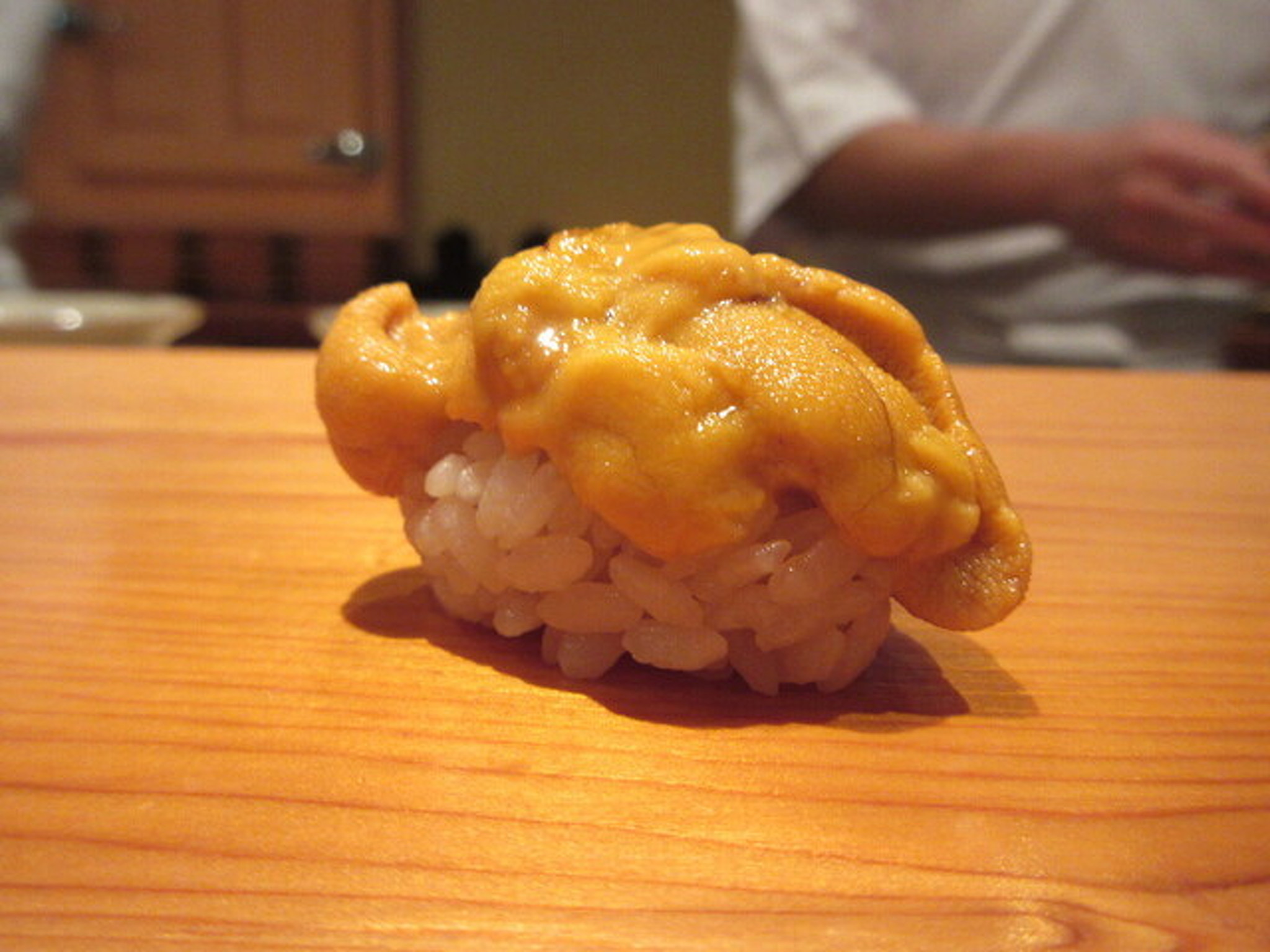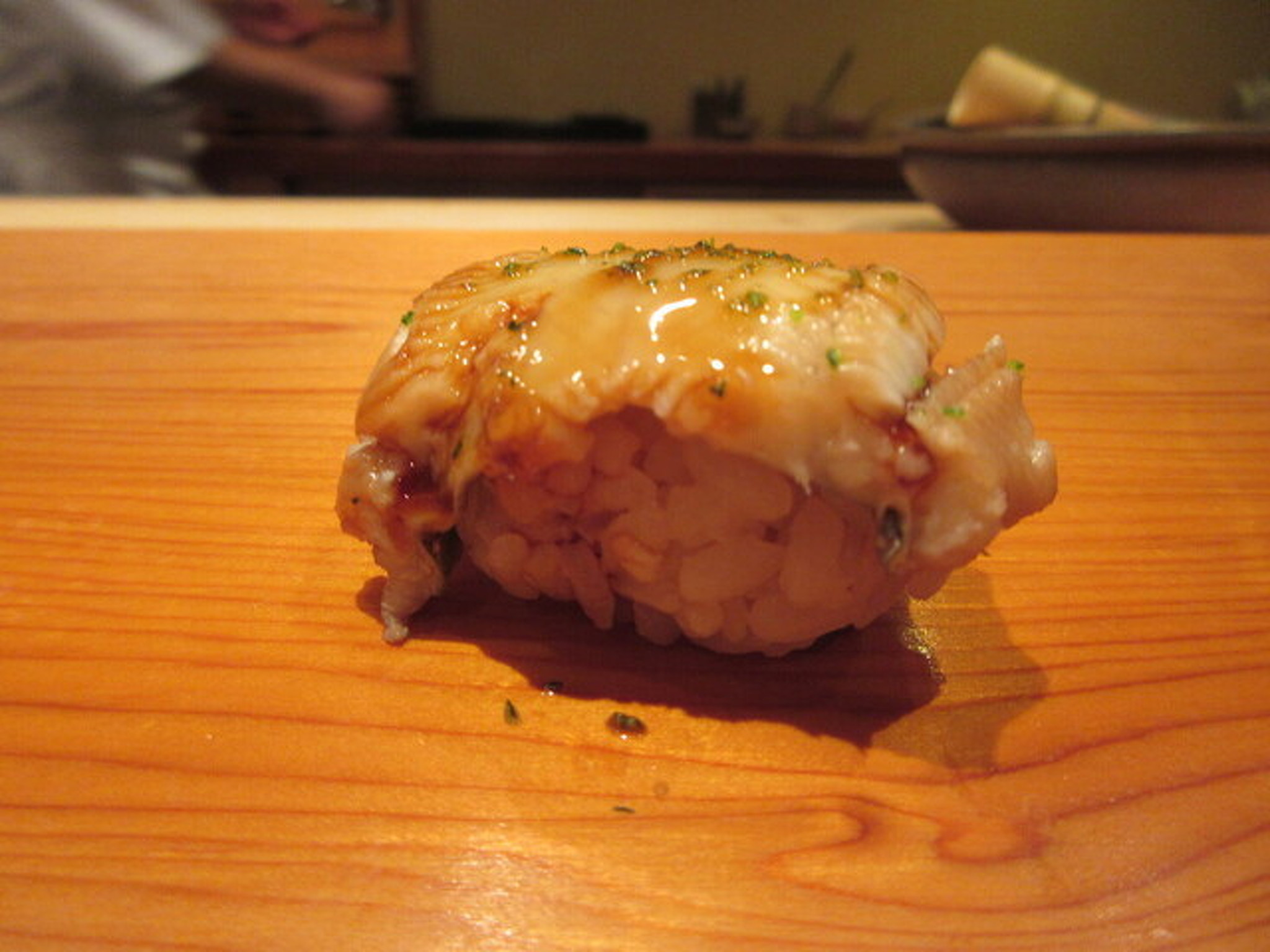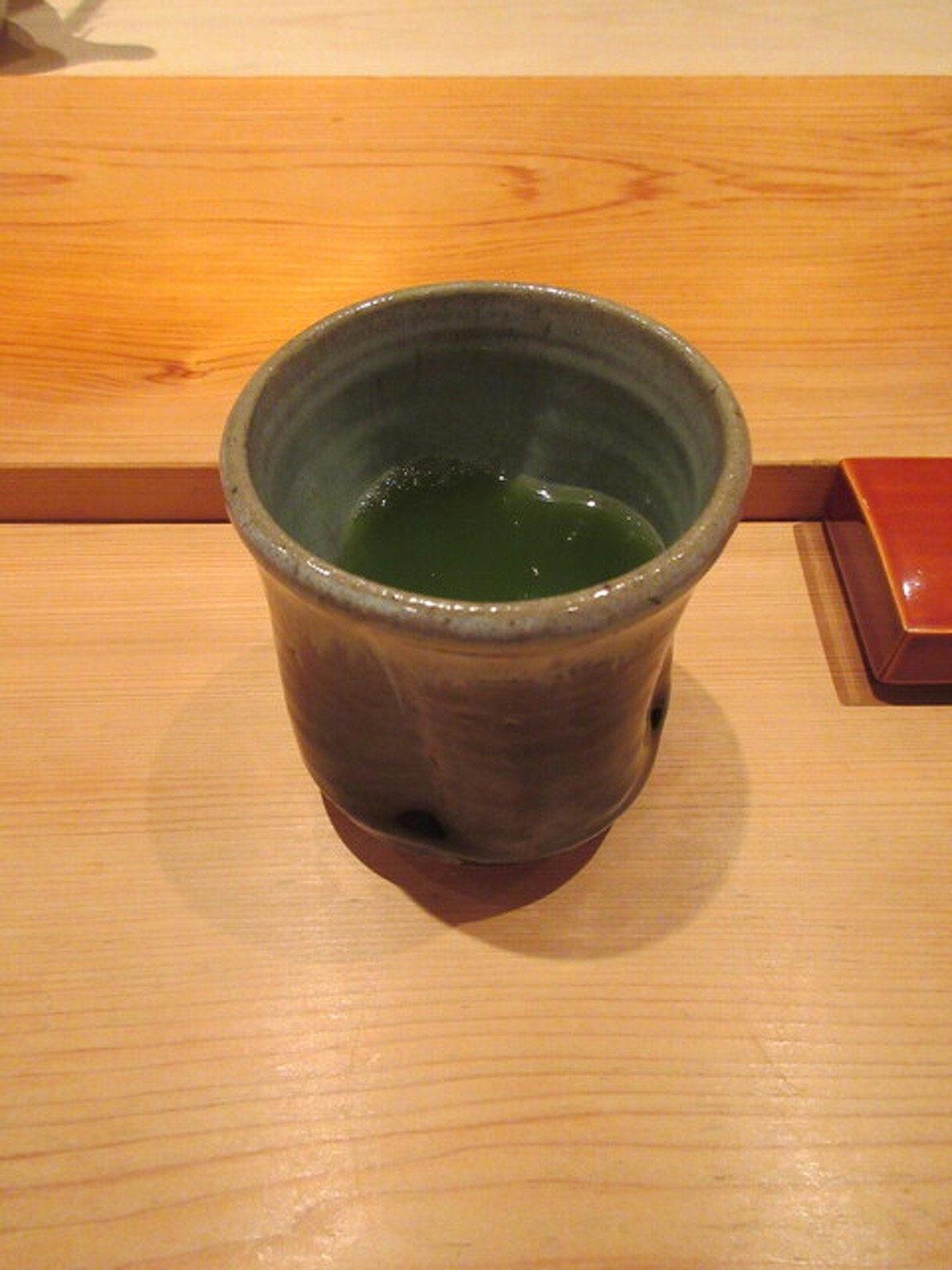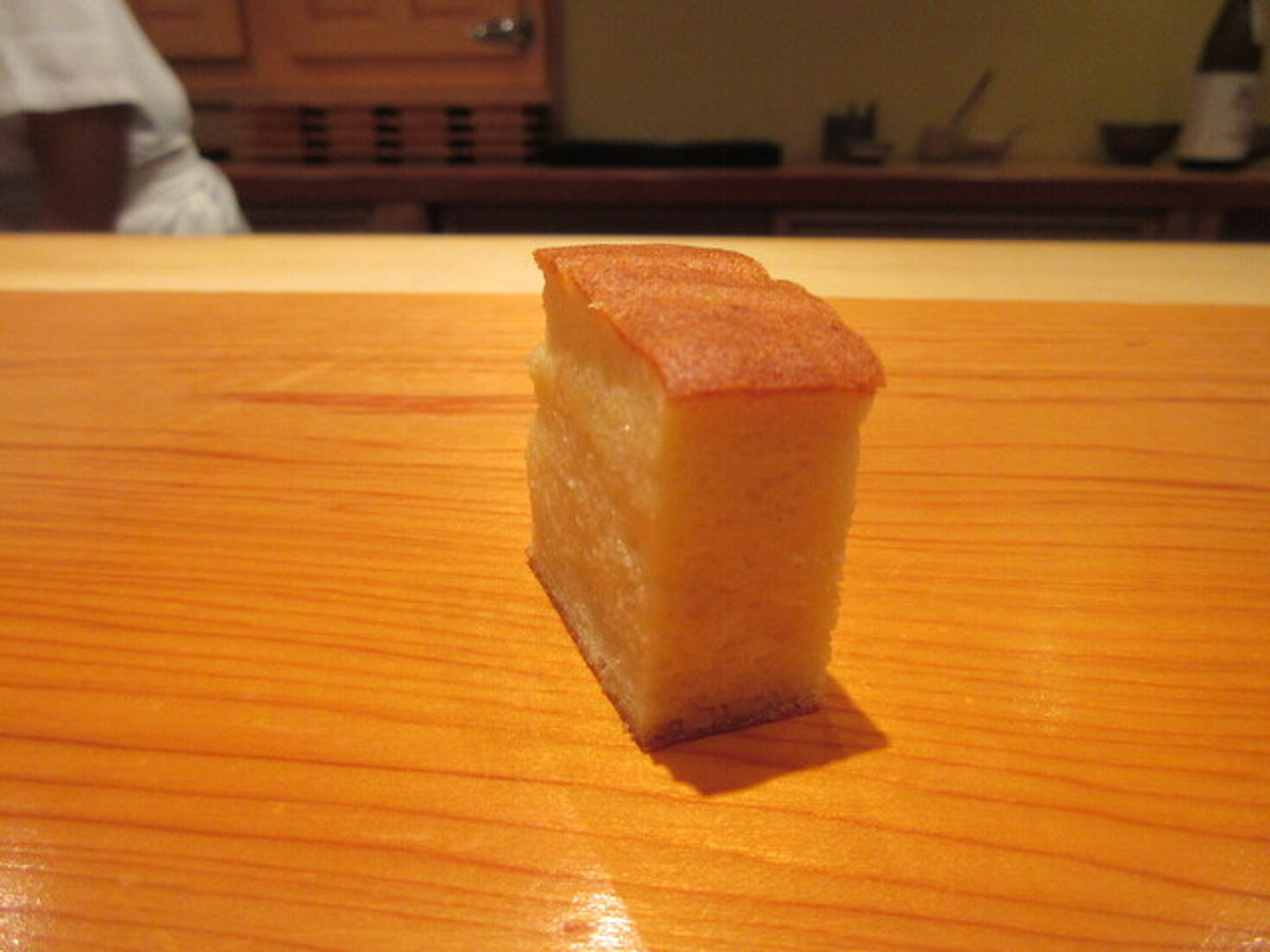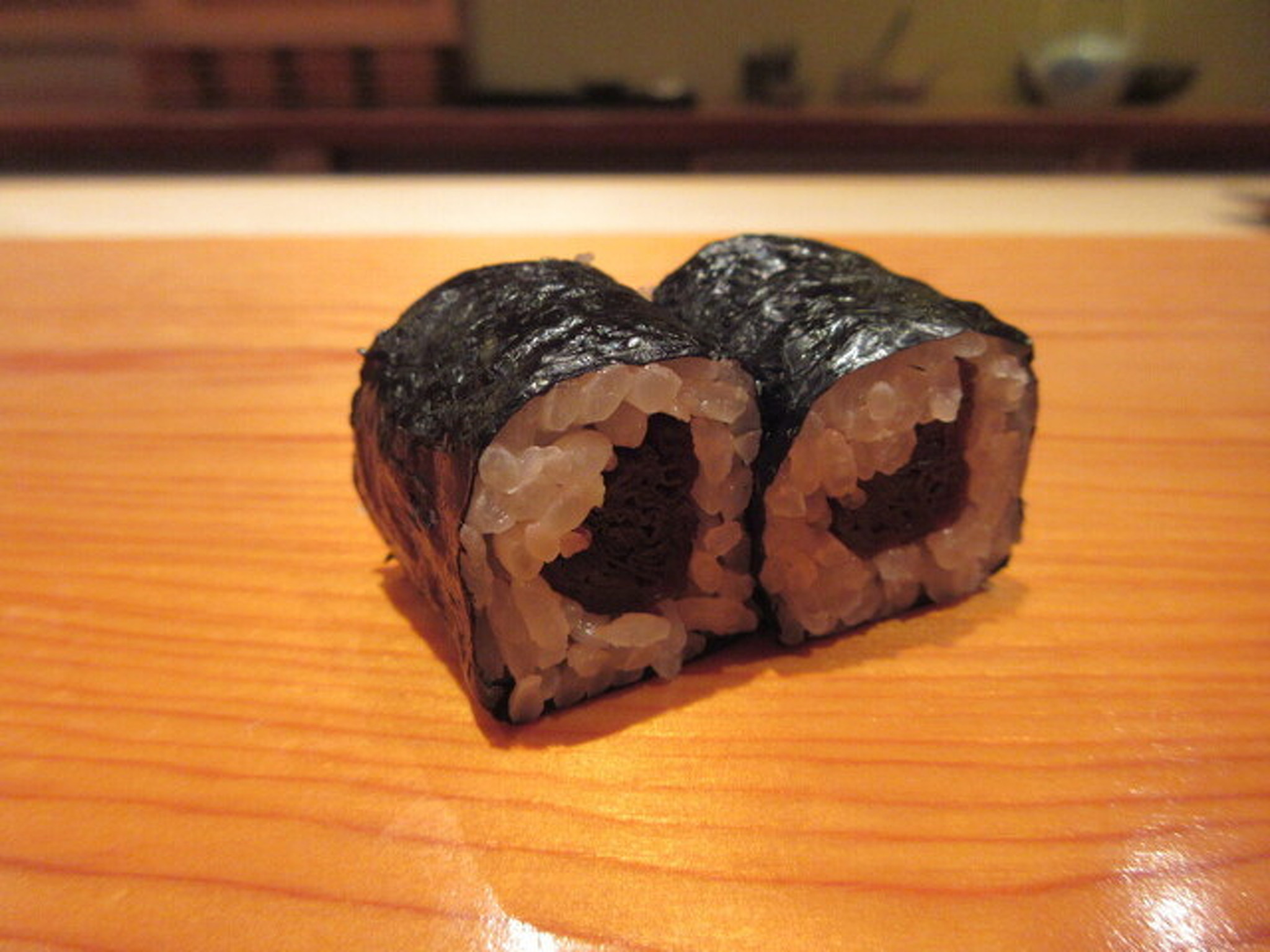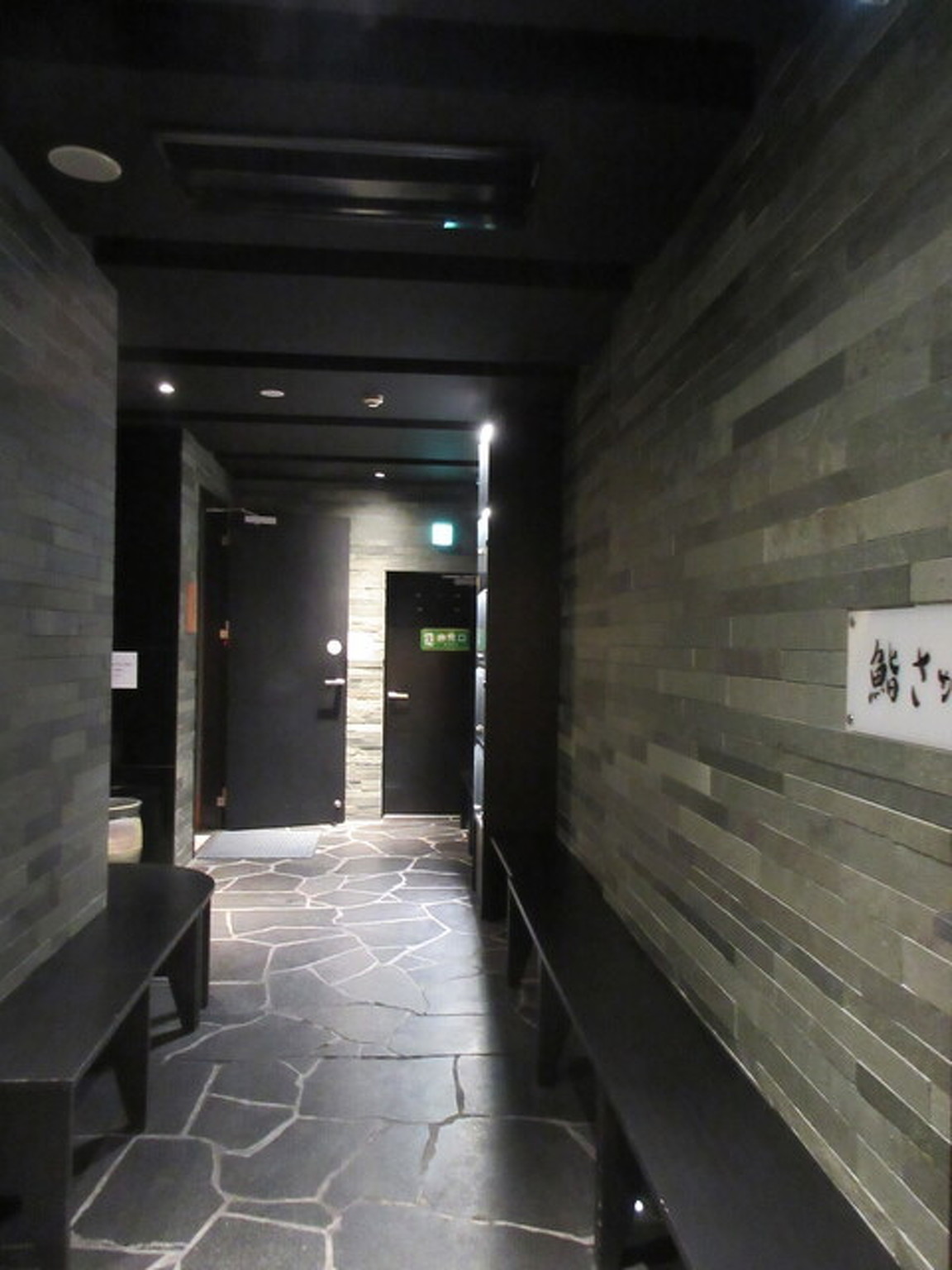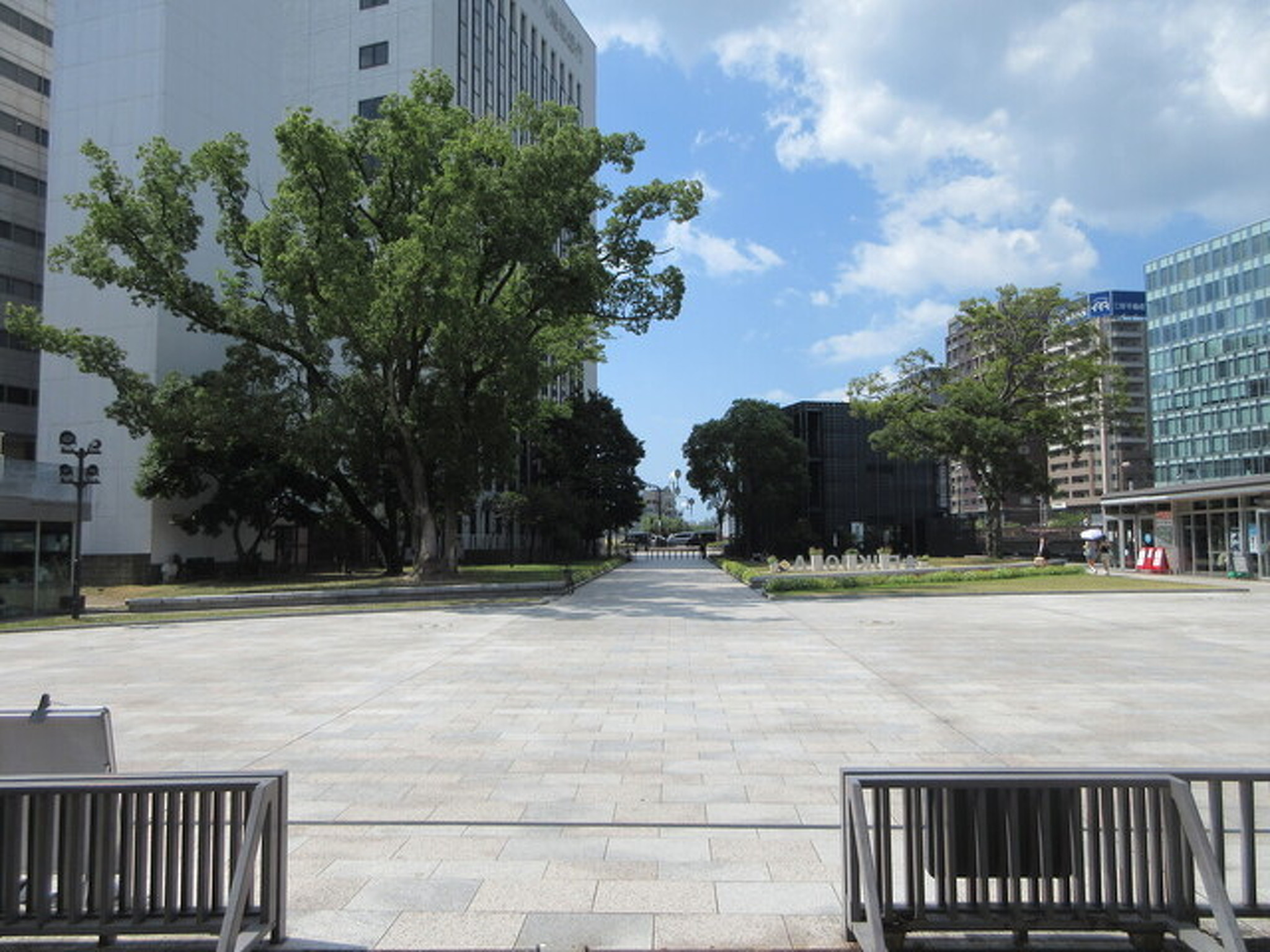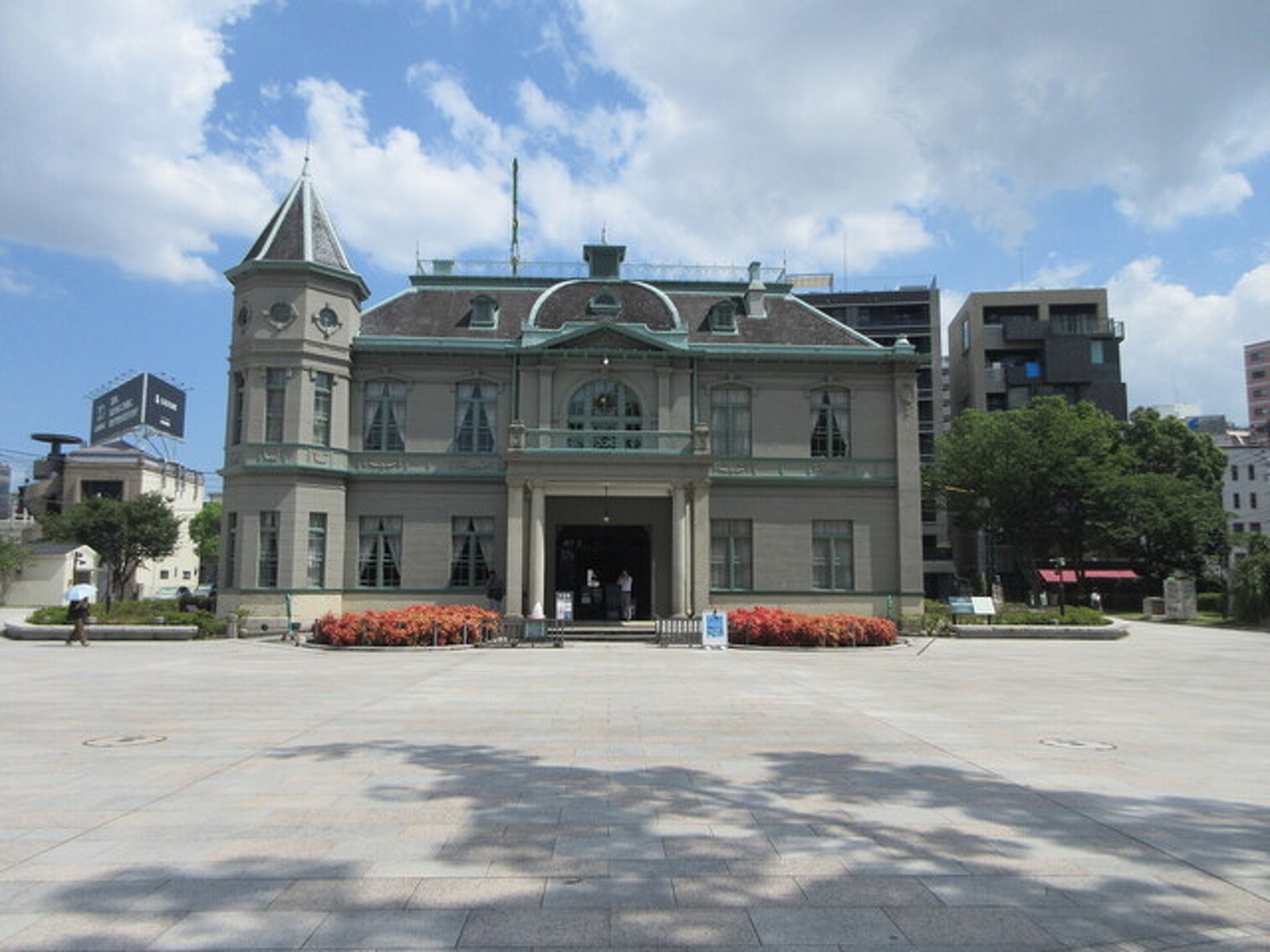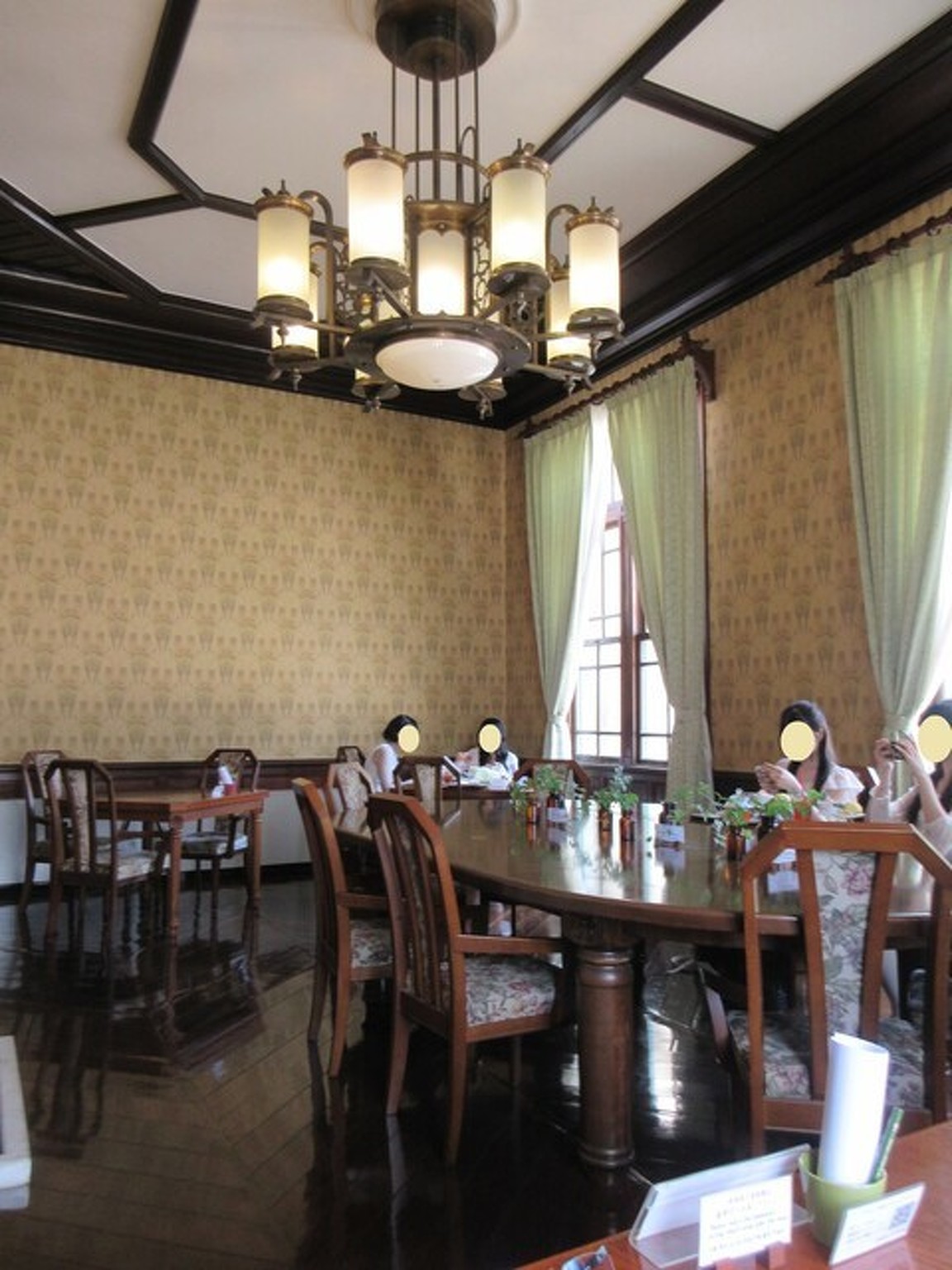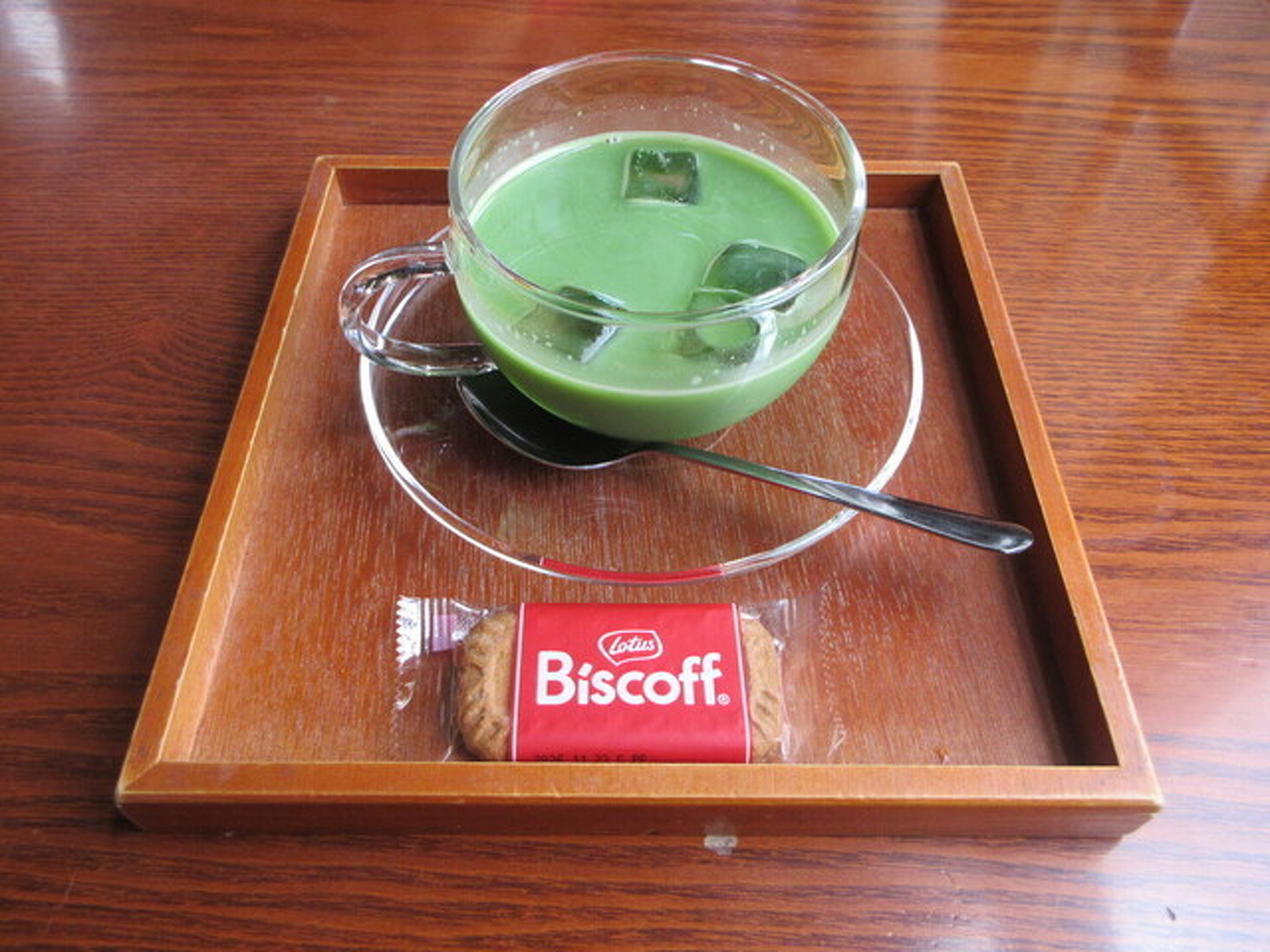
Located on the 2nd floor of the LANE Round Building at 3-20 Nishinakasu, Chuo Ward, Fukuoka City, Sushi Sakai is an Edo-style sushi restaurant that has evolved and thrived in Nakasu, Fukuoka, earning a Michelin three-star rating. Opened in 2013, it received its first Michelin star in 2014 and achieved three stars in 2019. The restaurant features a sukiya-style design based on Kyoto's Kitayama cedar, with 11 counter seats. It is a 7-minute walk from Tenjin Minami Station on the Nanakuma Line. Credit cards are accepted, but electronic money is not. The restaurant is non-smoking and does not have parking. Sakai-san has opened two sister restaurants in the same building, with "Wa Aijin" on the 3rd floor and "Zaisho" on the same floor. Reservations are staggered and start at the same time. Closed on Sundays, Mondays, and holidays. Reservations can be made through the general reception on the website (HP) https://sakai-sushi.jp/. Awarded the Tabelog Award 2026 Silver and recognized as one of the top 100 restaurants in 2025.On a summer afternoon, I visited with three friends. As the time approached, reservation guests gathered in front of the restaurant and were guided to their designated seats. The atmosphere inside was serene and clean, with energetic service that always felt pleasant. Upon arrival, we were greeted with a warm towel and a note on the table with usage guidelines. We began by selecting our drinks.On this hot day, I started with a cup of cold tea. - Kama-iri Green Tea IRIKA JPY 2500 (excluding tax) A premium bottled tea brand, Royal Blue Tea, featuring rare kama-iri tea from Gokase Town, Miyazaki Prefecture. It has a fragrant roasted aroma, refreshing flavor, elegant astringency, and deep richness. - Louis Roederer Collection 246 Brut JPY 22000 (excluding tax) We enjoyed a bottle of bubbles today as well. This flagship multi-vintage champagne is crafted by a prestigious champagne house, based on grapes from the 246th harvest since its founding in 1776. It pairs excellently with delicate Japanese dishes like Edo-style sushi.Sakai-san, the owner, greeted us, and his apprentices and sommeliers lined up. The atmosphere became focused in a good way, and we could feel the essence of summer ingredients in the dishes. 1. Hairy Crab (Hokkaido Funka Bay) and Purple Sea Urchin (Oita Himejima) - served with snow salt (Miyako Island) salt paper. 2. Fresh Junsai (Hiroshima) - a top-tier luxury item, flavored with yuzu, shiso leaves, and dashi soy sauce. 3. Octopus (Nagasaki) and Abalone - the octopus is served with wasabi and salt, while the abalone is paired with wasabi and liver. 4. Sea Bream and Botan Shrimp - summer sashimi, seasoned with roasted sake and salt, garnished with wasabi and sweet vinegar jelly. 5. Negitoro - summer tuna from Yamako. A delightful piece to start. 6. Sawara (Tokyo Bay) and White Clam (Ishikawa) - served with spicy vinegar miso and sweet vinegar jelly, allowing for a layered flavor experience. 7. Oyster (Hokkaido Senpochi) - a high-quality specialty enjoyed year-round, with a delightful umami from the fried oyster. 8. Sea Eel (Hakata Bay) - a rare natural sea eel, served with fragrant grilled eel and summer vegetables.Next, we moved on to the nigiri. They checked the size of the rice, and I opted for the shari koma. Pickled ginger was provided, made from the new shoots of ginger. I appreciated that they generously offered more whenever my small plate was empty. I also ordered extra ankimo (monkfish liver) from Hokkaido Yoichi, which was a blissful pairing with some Nara pickles. 1. Squid (Fukuoka Kanazaki) - expertly sliced, it had a smooth texture and perfect harmony with the rice. 2. Matsukawa Sole - a summer delicacy with just the right amount of fat and refined umami. 3. Shinko (Kumamoto Amakusa) - a special piece with meticulous preparation and exceptional technique, capturing the fleeting essence of the season. 4. White Sweetfish (Ehime Yahatahama) - a rare fish traded at high prices, known for its delicate and soft flesh. - Water Eggplant (Osaka Sennan) - a rare eggplant that can be eaten raw, with a sweetness reminiscent of fruit. 5. Lean Tuna (Ibaraki Namisaki Active Bait 179.6kg, Yamako) - a superb piece with a clear aroma and strong umami that harmonizes beautifully with the rice. 6. Chutoro (Ibaraki Namisaki Active Bait 179.6kg, Yamako) - an exquisite piece with perfect balance of rich fat and delicate texture. 7. Otoro (Ibaraki Namisaki Active Bait 179.6kg, Yamako) - a stunning piece with deep, rich umami that melds with the rice. 8. Kuruma Ebi (Kumamoto Amakusa) - served hot with freshly peeled shells. - Miso Soup - a simple miso soup with aosa seaweed and green onions, flavorful yet not too rich. 9. Horse Mackerel (Nagasaki Tsushima) - thicker than the average horse mackerel, with beautiful fat like white fish. 10. Sea Urchin - pure sweetness and rich umami delivered directly. 11. Anago - a perfect balance of fluffiness and aroma. - Shiba Shrimp and Yamato Potato Tamagoyaki - with a delightful texture. 12. Dry Gourd Roll - prepared for men in one bite and women in two.After finishing a bottle of champagne, we moved on to a bottle of white wine. With four of us, it was easily consumed. - Chablis Philippe Charlopin Parisot 2022 (White Wine, France) JPY 16000 (excluding tax) With its sharp acidity and strong minerality characteristic of Chablis, this wine showcases the rich fruitiness typical of Charlopin. A great vintage for Burgundy, made from 100% Chardonnay. - Morey Saint Denis La Rue de Vergy 2017 (Red Wine, France) A glass of red wine paired with tuna, from a top Burgundy domaine. It has pure fruitiness and smooth tannins, with a medium body that is not too heavy, perfectly complementing the three pieces of tuna.We also enjoyed two types of Japanese sake. - Ubusuna (Hana no Kaze Brewery, Kumamoto) Utilizing the power of microorganisms, this sake is made using the kimoto method, highlighting its lively freshness and slight carbonation from fermentation. - Takachiyo (Takachiyo Brewery, Niigata) A strong umami flavor from unfiltered, raw sake, with a rich and sweet-sour fruitiness.We finished with hot tea, an original blend from Okuyame Hoshinomura, incorporating matcha and other elements. While I couldn't review every aspect of my experience, I consistently leave with high satisfaction after each visit. Sushi Sakai Omakase JPY 44000 (tax and service included) Wa Aijin Omakase JPY 33000 (tax and service included) Zaisho Omakase JPY 22000 (tax and service included) For those who prefer a more leisurely experience, I recommend reserving a private room at Wa Aijin, as Sushi Sakai has a specific pace throughout the restaurant. If you're curious about the offerings, Zaisho is a great entry point to experience.Sushi Sakai is the only restaurant that accepts orders for box souvenirs, and there are no additional orders for nigiri. The prices remain reasonable given the quality of ingredients and skill. Without the apprentice restaurants, it would have already gained recognition. It could be elevated at any time.It’s astonishing that all three sister restaurants in the same building have received Tabelog Awards!The reason Sushi Sakai stands out is its overwhelming skill and the finest ingredients. It sources top-quality tuna from Yamako, Japan's premier wholesaler, along with carefully selected ingredients from across the country and the nearby Kyushu seas. The meticulous craftsmanship and exquisite balance of rice allow you to experience the essence of Edo-style sushi. Unusually for a sushi restaurant, there is uncompromising drink pairing by a team of sommeliers. Under Sakai-san's guidance, his apprentices are steadily growing. As a central figure in Fukuoka's sushi culture, they provide a first-class atmosphere and service. I always look forward to my visits! At the end of the photos, I’ve included a destination to head to after dining in Nishinakasu. I hope this helps those who are also sightseeing.
We use cookies on this site to enhance your user experience.